Types of Stretcher Bond Applications
There are no major "types" of stretcher bond itself, but it is commonly used in:
1. Half-brick-thick walls
2. Partition walls and internal divisions
3. Back walls and boundary walls (with support)
What Should You Know About Stretcher Bond Before Homebuilding?
If you're planning a residential project and considering stretcher bond in brick masonry, it’s important to understand where it fits best. This bond is ideal for quick, cost-effective builds where structural strength isn’t the primary need. Here’s what to keep in mind:
1. Fast Construction
Stretcher bond is simple to lay out and doesn’t require advanced tools or specialised techniques. It speeds up the building process, especially for internal walls and partitions.
2. Cost-Effective
This pattern uses fewer bricks and less mortar, reducing material costs. It’s a great choice when you want functional walls without stretching the budget.
3. Aesthetic Appeal
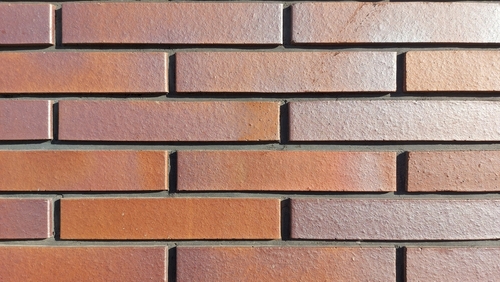
The clean, horizontal lines of stretcher bond bricks create a neat and modern appearance, especially popular in contemporary home interiors or accent walls.
4. Limitations
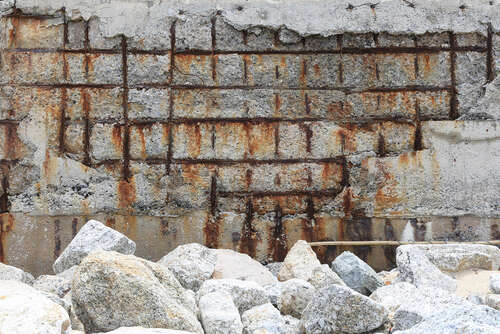
While practical, this bond is not suitable for structural walls. Without additional thickness or reinforcement, it won’t support heavy loads. Use it where strength isn’t critical, or pair it with stronger bonds for exterior or load-bearing sections.