Importance of Sill Level
The sill level in construction plays a crucial role in:
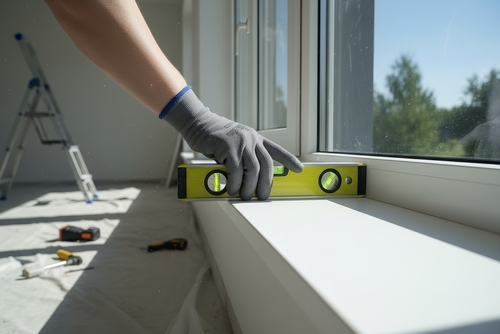
1. Allowing proper placement of windows for light and airflow
2. Preventing water and dust from entering the room
3. Maintaining uniformity and alignment across all windows in the structure
4. Supporting the window frame and adding strength to the wall
Difference Between Sill Level and Plinth Level
The plinth level is related to foundation height, while the sill level in construction deals with window placement.
1. Plinth level refers to the base level of a building, above which the superstructure is built.
2. Sill level is the height from the floor to the base of the window.
What can be the proper height of the sill level in a home?
In the home, the sill level is usually placed at a height of 600 mm to 900 mm (around 2 to 3 feet) above the finished floor level. The appropriate height may vary depending on several factors:
1. Window size and design: Larger windows or sliding panels may require a lower or customised sill height.
2. Furniture placement: In bedrooms and living areas, sill height is often adjusted to align with furniture like beds, sofas, or work tables.
3. Safety considerations: In homes with children or elderly occupants, a slightly higher sill level can reduce the risk of accidents.
4. Ventilation and light needs: A well-positioned sill allows for better airflow and natural lighting, contributing to energy efficiency and indoor comfort.