Types of Subfloor
There are several types of subfloor, each suitable for different conditions:
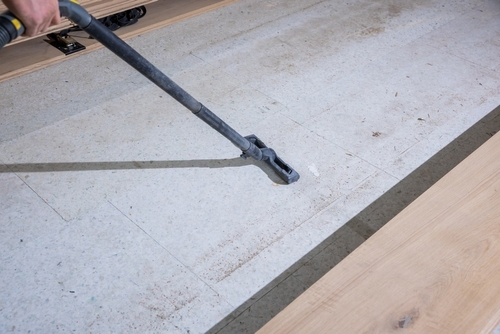
1. Plywood Subfloor
2. Oriented Strand Board
3. Concrete Subfloor
4. Wood Plank Subfloor
Signs Your Subfloor Needs Attention
Some common uses of the shaft include:
1. Carrying elevator systems between floors
2. Housing plumbing pipes for water supply and drainage
3. Ventilation for fresh air or smoke extraction
4. Protecting electrical wires and telecom cables
Why Subfloors Matter in Homebuilding?
For homebuilding, the subfloor is more than just a structural layer; it’s a critical element that affects the overall quality and performance of the home. Here's why it deserves your attention:
1. Improves Floor Durability
A strong subfloor prevents surface flooring from sagging, cracking, or separating over time.
2. Enhances Soundproofing
Proper subfloor installation helps reduce noise transfer between floors, improving comfort.
3. Supports Energy Efficiency
A well-fitted subfloor can reduce air leaks and improve insulation, keeping indoor temperatures stable.
4. Prevents Future Repairs
Using quality materials and correct installation methods helps avoid costly fixes like tile rework or moisture damage.
5. Boosts Customer Satisfaction
When floors feel solid and noise-free, it reflects well on your craftsmanship and builds trust with clients.
6. Adds Long-Term Value
A well-constructed subfloor adds to the structural integrity of the home, which matters during resale or inspections.