From handling cement and bricks to operating tools, safety gloves protect hands from cuts, burns, chemicals, and rough materials.
What Are Safety Gloves
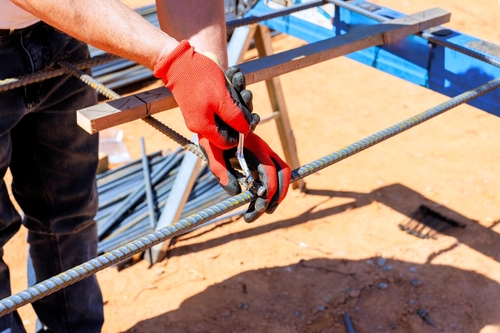
What are safety gloves? They are protective gloves designed to shield hands from physical, chemical, and environmental risks. In construction work, hands are constantly exposed to sharp edges, cement, dust, heat, and vibration. Safety gloves act as a barrier between the skin and these hazards, reducing the risk of injuries and skin problems.
Good-quality gloves also improve grip, making it easier to hold tools and materials safely.
Safety Gloves Uses
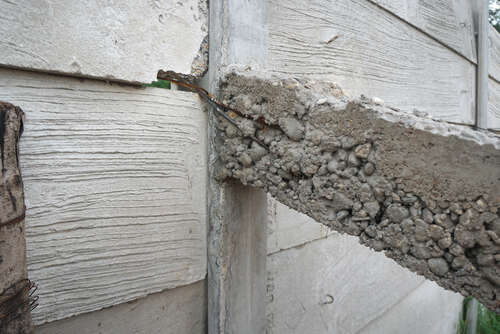
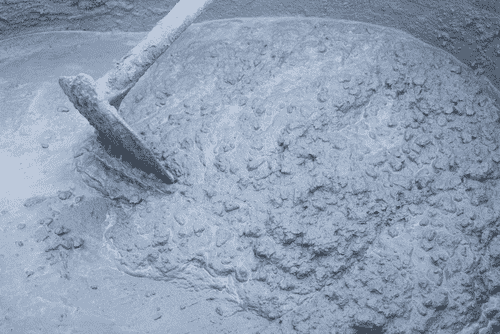
There are many uses of safety gloves in construction and home-building work. They are used while mixing cement, laying bricks, plastering walls, cutting materials, and handling machinery. The uses of safety gloves also include protection against cement burns, abrasions, blisters, and minor cuts.
By wearing gloves regularly, workers can avoid hand tiredness and long-term damage caused by repeated exposure to rough surfaces and chemicals.
Types of Safety Gloves
There are different types of safety gloves, each made for a specific task.
Cotton gloves are used for light work and dust protection.
Rubber gloves are suitable for wet work and chemical handling.
Leather gloves protect against cuts and heat, making them ideal for heavy-duty tasks.
Cut-resistant gloves are used when working with sharp tools.
Insulated gloves help in electrical work.
Choosing the right types of safety gloves ensures better protection and comfort during work.
Summary
Safety gloves are essential for safe construction work. Understanding what safety gloves are, knowing the uses of safety gloves, and selecting the right types of safety gloves can prevent injuries and improve productivity.