


Share:
Home Building Guide
Our Products
Useful Tools
Home Building Guide
Products
Share:
The entrance is best placed in the west or northwest for prosperity; keep it clean and lit.
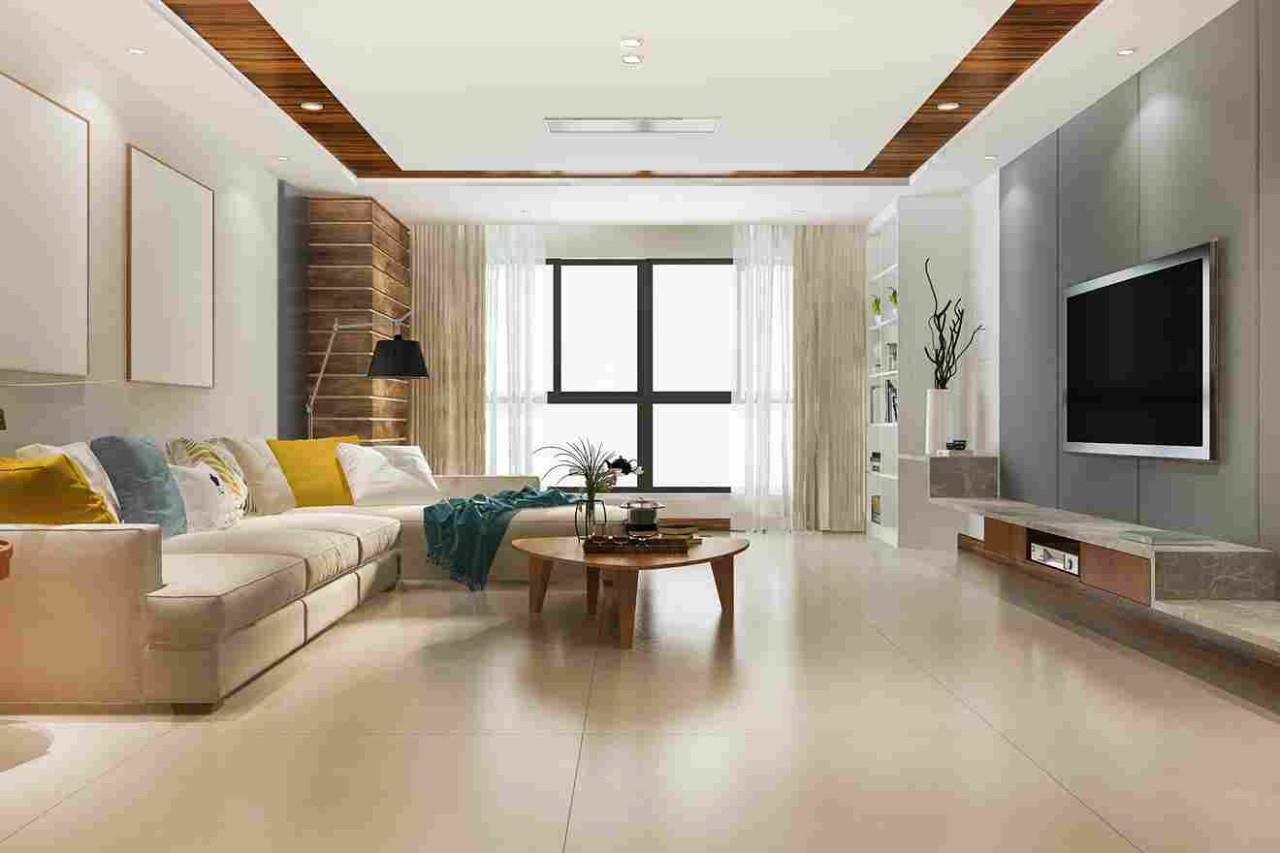
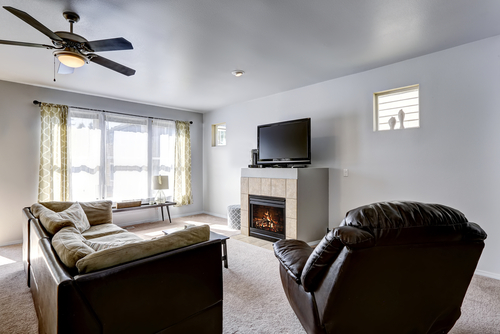
The living room is best placed in the northwest for family bonding and soft evening light.
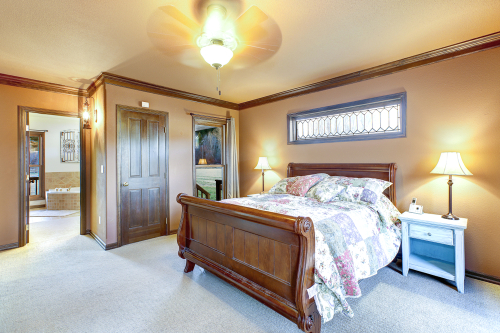
The bedroom is best in the southwest for stable, restful sleep.
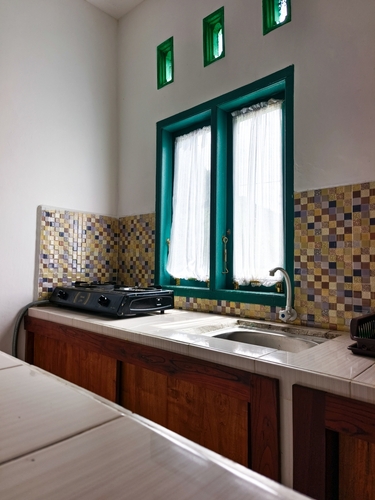
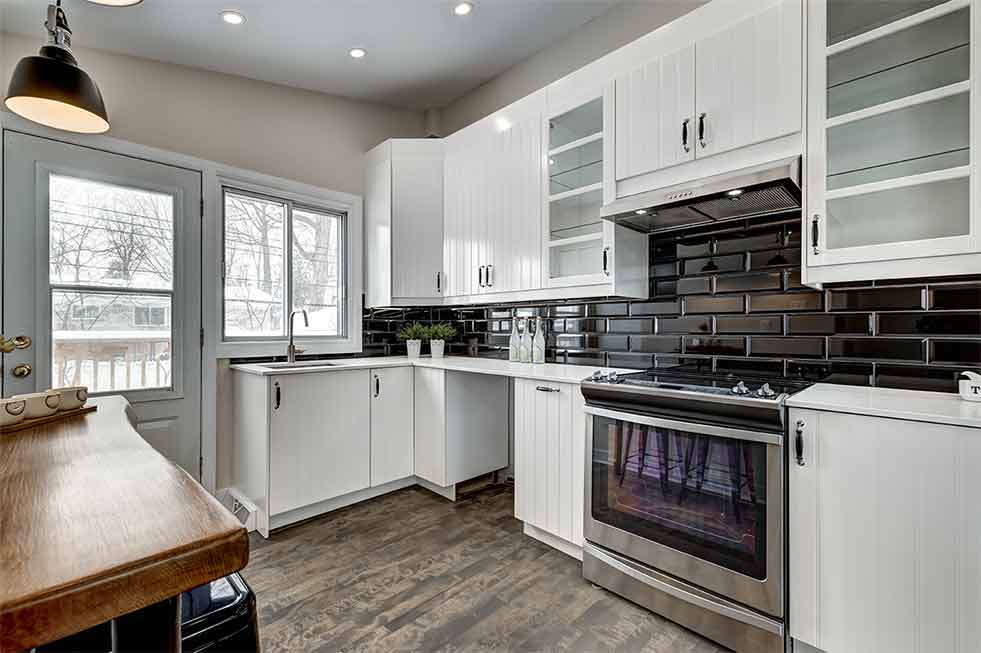
The kitchen is best in the southeast to boost health and wealth.
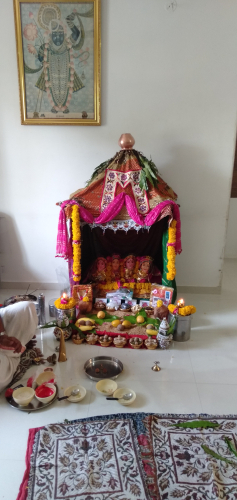
The puja room should be in the Northeast for spiritual peace.
Trees in front, even doors/windows, light colours, and ventilation improve your space.
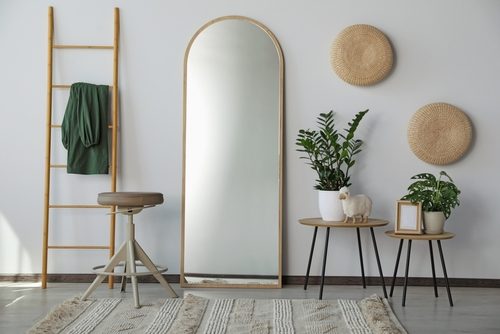
Changes in Vastu include putting the mirrors on the west walls, a northeast water feature, and Vastu pyramids.
West-facing houses are considered auspicious in Vastu Shastra as long as the home is planned and designed according to Vastu guidelines. The west direction is linked to evening sunlight, which is known for its calming and soothing qualities. This gentle light helps create a peaceful atmosphere in the home, making it an ideal environment for relaxation and creativity.
The main benefit of a west-facing house is the positive energy it can attract when rooms are placed correctly, and the flow of energy is maintained. For example, placing the main entrance in the west or northwest may allow positive vibrations to enter, while avoiding heavy furniture or clutter helps keep the energy moving freely.
The living room in the northwest is thought to encourage family bonding, while the bedroom in the southwest promotes restful sleep. The kitchen in the southeast supports health and prosperity, and the puja room in the northeast brings spiritual peace.
Tip: Focus on room placement and avoid messes for a peaceful home.
Planning a west-facing house with Vastu in mind may help you create a home that feels balanced, peaceful, and welcoming.
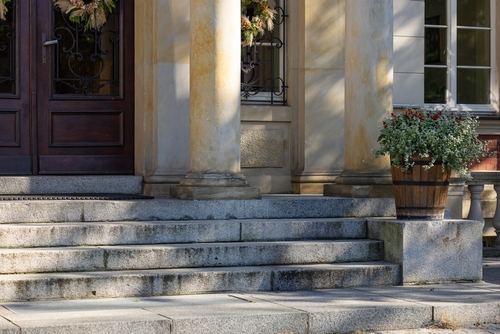
The main entrance should be in the west or northwest to invite positive energy. This placement is believed to attract prosperity and happiness. Avoid placing the entrance in the southwest, as this can bring obstacles and negative energy.
Tip: Keep the entrance clean and well-lit for a welcoming feel.
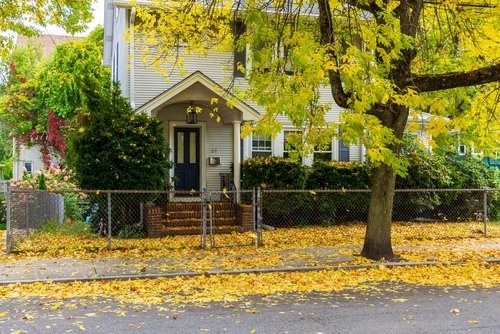
Greenery on the front side reduces heat and improves air quality. Trees also add beauty and a calming effect to your home. They help create a natural barrier against harsh sunlight and pollution.
Tip: Avoid planting near the main gate to keep the entrance open and clear.
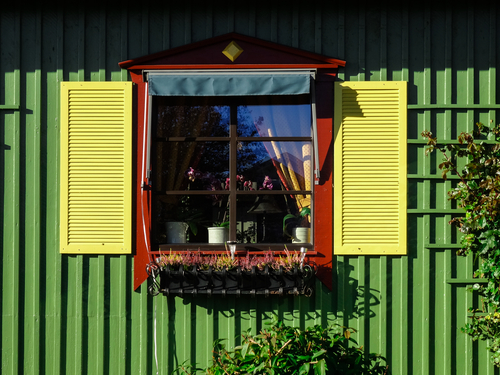
Large glass windows on the west side let in too much heat. This can make the house uncomfortable and increase cooling costs. Instead, use smaller windows or add shades to reduce sunlight and keep the interior cool.
Tip: Use window coverings like blinds or curtains for extra comfort.
The northwest is a good spot for the living room. It gets soft evening light and encourages family togetherness. This area is ideal for relaxation and social activities.
Tip: Keep the living room tidy and free from heavy furniture to allow energy to flow.
The southwest corner is considered stable and peaceful, making it ideal for bedrooms. This helps promote restful sleep and relaxation. The southwest is associated with earth energy, which supports stability and comfort.
Tip: Avoid placing mirrors directly opposite the bed for better sleep.
The southeast is linked to fire and health. Placing the kitchen here is believed to bring prosperity and support healthy meals. This area is also good for cooking and dining.
Tip: Keep the kitchen clean and well-organised for good energy.
The northeast is considered spiritually pure, making it perfect for a prayer or meditation room. This area invites peace and divine energy. It is also a good spot for study and quiet activities.
Tip: Keep the puja room clean and quiet.
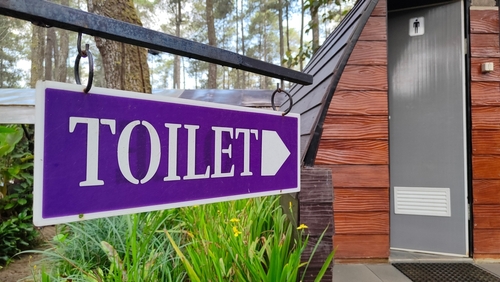
Toilets and bathrooms are recommended to be in the northwest to avoid negative effects. This keeps other areas of the house pure and prevents contamination of positive zones.
Tip: Keep bathrooms clean and ventilated.
An even number of doors is believed to help balance energy flow and bring harmony to the home. This simple rule supports positive vibrations and a sense of balance.
Tip: Check your door count during the planning stage.
Windows on the west and south sides can let in too much heat. This makes the house uncomfortable and raises energy bills. Place windows on the north, east, or northeast for soft, natural light.
Tip: Use window coverings to control sunlight and maintain comfort.
Following Vastu Shastra in a west-facing house brings many benefits. It helps positive energy move freely, reduces stress, and creates a peaceful atmosphere. Placing rooms in the right spots supports health, wealth, and happiness. For example, a living room in the northwest brings families together, and a bedroom in the southwest helps everyone sleep well and feel stable. A home built with Vastu rules feels balanced and welcoming, making it a comfortable place for everyone.
Tip: Small changes in layout can make a big difference in how your home feels.
If your west-facing house has Vastu doshas (mistakes), there are simple ways to improve the energy. Placing mirrors on the west wall can help reflect away negative energy and brighten the space. Using light colours on walls and floors makes the area feel open and positive. Keeping the house clean and free from mess allows energy to move easily and helps create a peaceful atmosphere.
Adding a small fountain or aquarium in the northeast corner is believed to attract prosperity and calmness. You can also use Vastu pyramids or crystals in problem areas to balance the energy. These small changes may make a difference in how your home feels.
West-facing houses are believed to carry the setting sun's calming energy, promoting stability and success when matched with Vastu. Adjust these tips to your plot size for harmony.
Place the main door in the west or northwest. Keep the living room in the northwest, bedroom in the southwest, kitchen in the southeast, and worship room in the northeast. Ensure the house is well-ventilated and free from clutter.
Follow the same room placements. Use open spaces and avoid heavy furniture in the west. Ensure good ventilation and natural light in all rooms.
Plan for even doors and windows. Place bathrooms in the northwest and worship rooms in the northeast. Ensure the house is well-balanced and free from negative energy.
Tip: Always check room proportions and ventilation for comfort.
Applying these Vastu principles to west-facing houses of any size ensures balanced energy flow, enhancing comfort, prosperity, and well-being for your family.
A west-facing house can be a happy and harmonious home if designed with Vastu principles. Simple tips like proper room placement, avoiding big glass windows, and keeping the house clean can make a big difference.
By following these guidelines, you can create a space that feels balanced, peaceful, and full of positive energy.
Place the main door in the west or northwest, the living room in the northwest, the bedroom in the southwest, the kitchen in the southeast, and the worship room in the northeast.
Entrance: west or northwest; living room: northwest; bedroom: southwest; kitchen: southeast; worship room: northeast.
Any rashi can live in a west-facing home if Vastu principles are followed.
Yes, the main door can be west-facing, ideally in the northwest quadrant of the west side.
Main door in the west or northwest, living room in the northwest, bedroom in the southwest, kitchen in the southeast, and worship room in the northeast.