


Share:
Home Building Guide
Our Products
Useful Tools
Home Building Guide
Products
Ultratech Building Products
Share:
1. South-facing houses can be positive with Vastu tips.
2. The main door should be in the southeast or southwest, and it should be kept clean and well-lit.
3. Kitchen in the southeast for health; bedrooms in the southwest for stability.
4. Living room in the north/east; pooja room in the northeast.
5. Colours like light shades, blue are good; avoid dark tones.
6. Avoid water in the south, trees in front, clutter in the south, and bedrooms in the southeast.
A south-facing house means the main entrance of the home faces south. While some people believe south-facing homes can bring challenges like excess heat or negative energy, Vastu Shastra offers practical ways to make any house positive and balanced.
By following simple Vastu tips; such as placing rooms in the right spots, choosing light colours, and keeping the entrance clean and clutter-free, you can create a welcoming living space. The direction does not decide your home’s energy, design and positive habits play a bigger role in making your home feel peaceful.
When designing a south-facing house, following Vastu tips can help create a balanced and positive home. These simple guidelines focus on room placement, colours, and layout to ensure good energy and comfort.
According to Vastu, the main door is the gateway to your home’s energy. For a south-facing house, the main door should be placed in the right spot to let in positive energy. It should be clean, well-lit, and free from clutter.
Water storage tanks or wells should not be placed in the south zone. It’s best to keep them in the north or east for good energy flow.
South-facing homes should have thicker walls in the south zone to block excess heat and create a cool, comfortable space.
The kitchen should be in the southeast corner. This aligns with the fire element in Vastu and brings harmony and good health.
| Tip: Keep the kitchen clean and well-organised for the best results. |
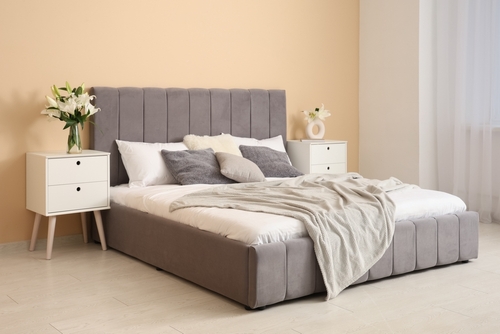
Bedrooms should be in the southwest corner for stability and strong relationships. Avoid placing bedrooms in the southeast, as it is believed to cause restlessness.
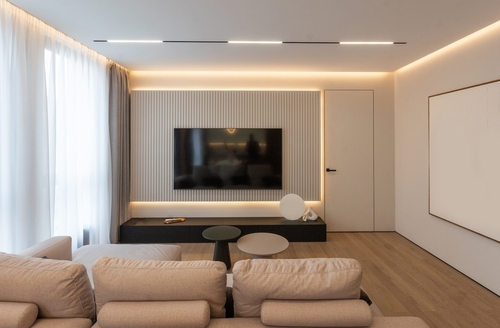
The living room is best placed in the north or east. These directions are considered to bring positivity and make the space feel warm and inviting.
The pooja room should be in the northeast corner. This direction is linked to peace and spiritual growth.
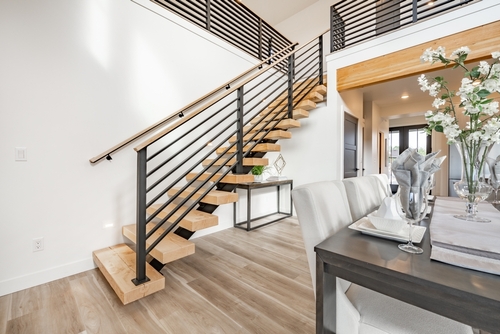
Staircases should go clockwise (upwards to the right) and should not be in the southeast or northeast corners.
Gardens and outdoor spaces should be in the north or east. Avoid planting trees in the front yard, as they can block energy.
Light colours like white, cream, or pastels are ideal for walls and doors. Blue is also considered good for a south-facing home, as it brings calm and balance.
| Tip: Avoid dark colours for doors and walls, as they can make the space feel heavy. |
There are many myths about south-east facing homes, but most are not true. Vastu Shastra offers practical advice to create a positive and healthy living space, no matter which way your house faces. Here are some common myths and the facts behind them.
1. Myth 1: South-East Facing Homes Are Bad Luck
Many believe south-east facing homes bring bad luck, but Vastu Shastra says any home can be positive with the right design, room placement, and positive habits.
2. Myth 2: Financial Losses Are Common
Financial losses are not guaranteed for south-facing homes. Good planning, positive habits, and proper Vastu tips can make a bigger difference than the house direction.
3. Myth 3: Health Problems Are Possible
Health issues are not linked only to house direction. Cleanliness, proper ventilation, and a positive atmosphere are more important for good health.
Tip: Focus on simple changes and good habits, not just direction. |
When planning a south-facing house, following Vastu guidelines can help you create a positive and balanced living space. Here are some key things to avoid, according to Vastu principles, to keep your home welcoming and full of positive energy.
1. Avoid misplacing the main entrance
The main door should not face directly south, as this can block positive energy. Place it in a spot that allows light and air to flow in smoothly. An entrance in the southeast or southwest corner is often considered better for south-facing homes.
2. Steer clear of water bodies in the south zone
Water tanks, wells, or ponds should not be placed in the south, as they can create negative energy and imbalance. Water elements are best placed in the north or east zones for positive effects.
3. Avoid planting trees in the front yard
Trees in the front yard can block sunlight and energy, making the entrance feel closed and unwelcoming. If you must have trees, place them on the sides or in the backyard instead.
4. No clutter in the south zone
Keep the south area clean, open, and free from clutter to allow energy to flow freely. Clutter can trap negative energy and make the space feel heavy.
5. Avoid bedrooms in the southeast
Placing bedrooms in the southeast can cause restlessness and disturb sleep. The southeast is associated with the fire element, which can lead to increased activity and less peace. Bedrooms are best placed in the southwest for stability and rest.
Tip: Keep the south zone simple and clutter-free for the best energy.
|
A south-facing house can be positive and prosperous with the right Vastu plan. By following simple tips for room placement, colours, and decor, you can create a happy and balanced home. Don’t worry about myths; focus on practical changes and positive energy for the best results.
South-facing houses can be lucky if you follow Vastu tips and make simple changes.
Yes, blue is considered good for south-facing homes, as it brings calm and balance
. What are the benefits of a south-facing home?
South-facing homes get plenty of sunlight, which can make interiors warm and cheerful.
Spiral staircases are not recommended in Vastu, as they can disturb energy flow.
The main door should be in the right spot, the kitchen in the southeast, the bedrooms in the southwest, and the living room in the north or east. Keep the south zone open and clutter-free.