


Share:
Home Building Guide
Our Products
Useful Tools
Home Building Guide
Products
Share:
Different walls serve different purposes in construction.
Some walls carry the building load while others only divide spaces.
Walls can be made using bricks, blocks, stone, wood, metal, glass, or mud.
Each wall type is designed for strength, insulation, protection, or design.
The right wall choice depends on safety, weather, cost, and durability.
Knowing the different types of walls helps you choose the right fit for your home. Since you build your home only once, understanding wall options is key to making a strong home.
Let us look at the main types of walls in construction and understand what makes each one unique
These walls are very strong because they carry the weight of the roof and upper floors. You can imagine them like strong shoulders holding up the weight of the entire house. If these walls are removed, the building can become unsafe. Hence, it is important that they are built carefully with strong materials.
Tip: Always check whether a wall is load-bearing before breaking or drilling into it. Consult a professional first. |
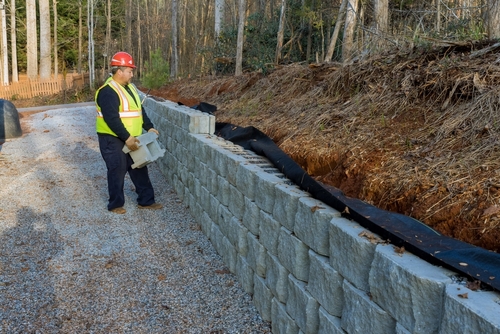
Retaining walls are built to hold back soil. You will often see them near gardens, slopes, or basements. They stop soil from sliding down and keep the ground steady, especially during heavy rains.
Tip: Always ensure proper drainage behind retaining walls to prevent water pressure build-up and cracks over time.
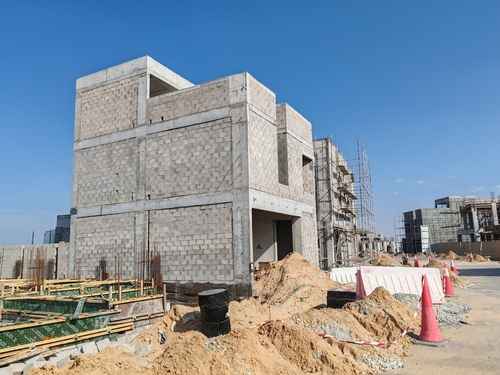
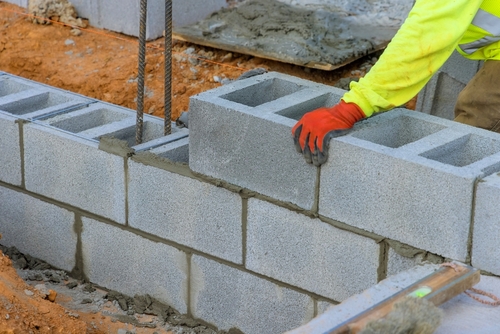
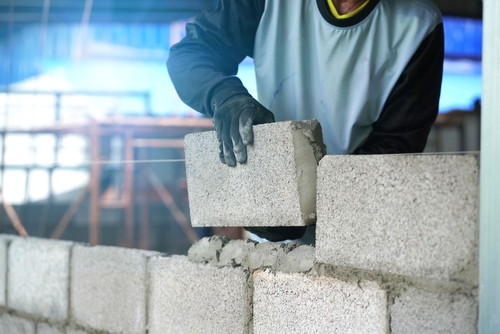
Masonry walls are made by joining bricks or blocks with a sticky mixture. This sticky mixture, commonly known as mortar, is made by mixing cement, building sand, and water. It acts as a binding agent that hardens and holds bricks together.
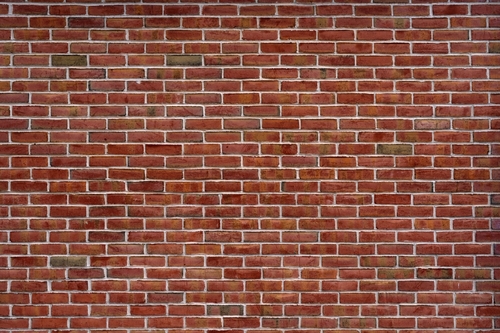
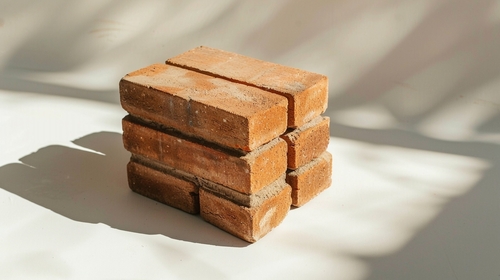
They are the traditional red brick walls, also known as brick masonry walls, commonly seen in many homes. These construction wall types are made by stacking red bricks on top of one another and joining them with a cement mixture to create a strong, solid wall.
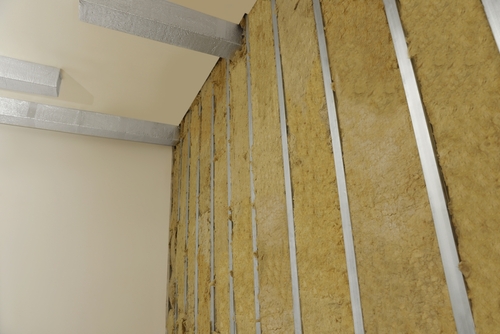
These types of walls use metal frames that are prepared in advance. The metal acts like a strong skeleton. Metal stud walls are lightweight but still strong enough to support loads when properly built.
These are made from very strong bricks and are designed to withstand heavy loads and harsh weather.
They are often used in places where extra strength is needed. A masonry wall is any wall made by joining bricks or blocks, while an engineering brick wall uses extra-strong bricks designed to withstand heavy loads and harsh conditions.
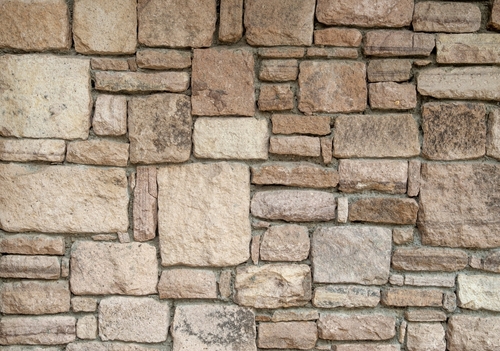
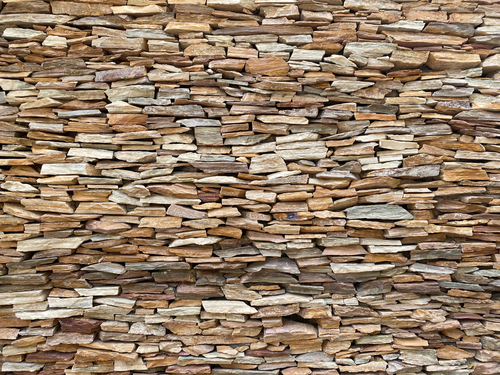
Stone walls are made using natural stones. They look beautiful and very strong. These types of walls can last for decades and are used in boundary walls or traditional homes.
They are also good at handling harsh weather conditions and do not get damaged easily over time. Because of their strength and natural look, they add both durability and a classic style to any building.
Used to divide rooms, these walls do not carry the building's weight. If needed, they can be removed without affecting the safety of the building structure. For example, when someone converts a 1BHK into a 2BHK by adjusting the room layout, they mostly change or remove these non-load-bearing walls.
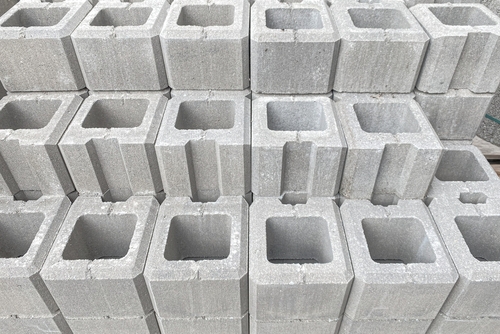
These blocks have empty spaces inside them. This makes them lighter than solid blocks.
They help keep rooms cooler and are easy to build with. Because they are larger than regular bricks, construction can also be faster and more cost-effective.
Facade bricks are used on the outside of buildings. They make the building look attractive.
These types of walls protect the inner walls from rain and sunlight. By acting as a protective outer layer, they also help the building stay strong for many years. They look like masonry brick walls, but are weaker than them; they are just for attractiveness.
Tip: Always ensure proper waterproofing for external walls to avoid dampness and peeling paint later. |
Hollow bricks have small holes inside them. These construction wall types are lighter and easier to handle.
They also help reduce heat and noise inside the house. Because they are lightweight, they reduce the overall load on the building structure.
Thin brick walls use slim brick pieces mainly for decoration. They give the look of real brick walls without adding too much weight. Thin brick walls are a good choice when you want a stylish brick finish without making the structure heavy.
Tip: In hot areas, choose hollow blocks or bricks that help keep your home naturally cooler. |
If you don’t understand your wall material properly today, you might end up with cracks, dampness, and expensive repairs tomorrow. That is why learning about different types of materials used for building houses is important.
Bricks are small rectangular blocks made from clay. They are one of the most common materials used in houses. They are strong, easy to use, and suitable for most weather conditions. They also help keep the house cool in summer and warm in winter when built properly.
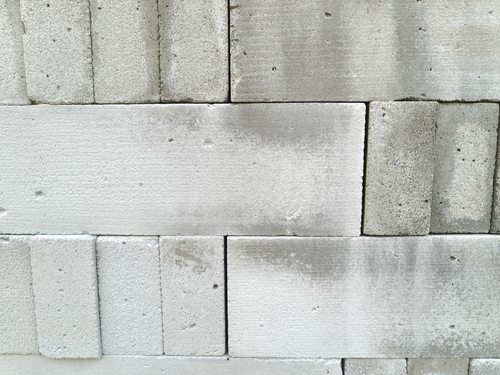
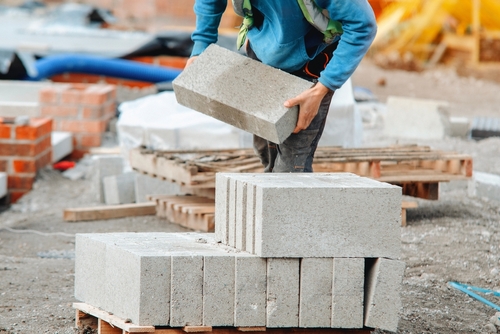
Concrete blocks are bigger than bricks. Due to their size, they cover a larger area in fewer blocks. They are strong and commonly used in homes and commercial buildings. They also provide good strength and stability for multi-floor buildings.
Stone is a natural material. It is very strong and gives a traditional look. Stone walls can last for many years if built properly. They also require very little maintenance once the construction is completed.
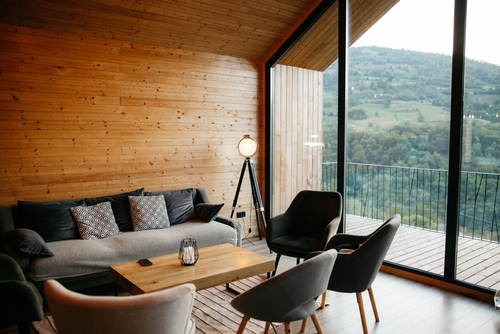
Wood is mostly used in areas where forests are nearby. It is light and easy to work with.
However, wood needs protection from termites and moisture. It also gives the house interiors a warm, natural feel.
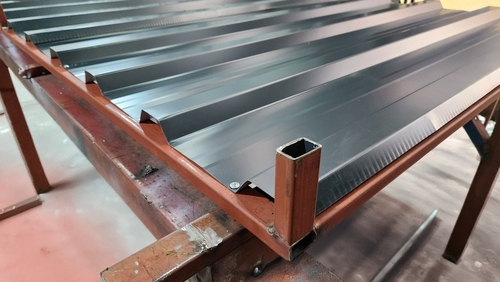
Metal panels are large sheets made from steel or alloys such as aluminium, zinc, or copper. They are often used in factories, sheds, and modern buildings. They are quick to install and can cover large areas in less time.
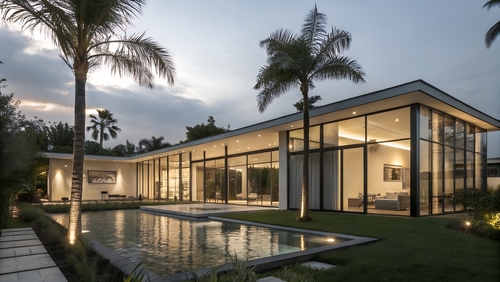
Glass walls allow sunlight to enter the house. They make rooms look bright and spacious. But they must be used carefully because they are not as strong as brick or concrete. Special strong glass is usually used to improve safety and durability.
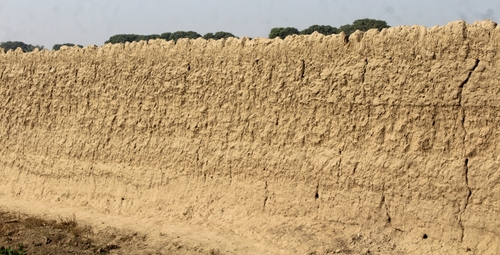
They are made from natural materials such as mud, clay, straw, and bamboo, all sourced directly from nature. They are eco-friendly and keep houses cool in hot weather. Adobe and rammed earth material are often chosen in villages and hot regions where natural cooling is important.
Tip: Before selecting from the different types of building materials used in construction of walls, ask about their strength and how long they are expected to last. |
Choosing the right wall is very important because a wall is not just something that divides space — it also gives safety, strength, and shelter to your home. So before deciding, it is important to understand what wall is and the types of walls, and how each one works in different situations. This helps you avoid costly mistakes later.
Here’s a step-by-step tip to help you make the best decision for your home:
1. Think about safety. Some walls must be strong enough to carry weight, but some are not.
2. Next, think about the weather. In hot areas, walls that keep the home cool are better. In rainy areas, walls must resist water.
3. Finally, think about cost and long-term strength. A good wall should last many years without frequent repairs.
Building a home is a big dream for many families, and you only build the home once. Understanding the types of walls in building construction and the materials used in wall construction helps you make smart and safe choices. When you know what each wall does, you can build a home that is strong, comfortable, and long-lasting.
There is no single “best” wall. The best wall depends on your needs, budget, and location. For most homes, strong brick or concrete block walls are a good choice because they are durable and safe.
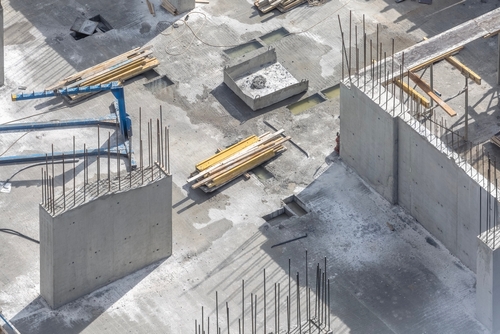
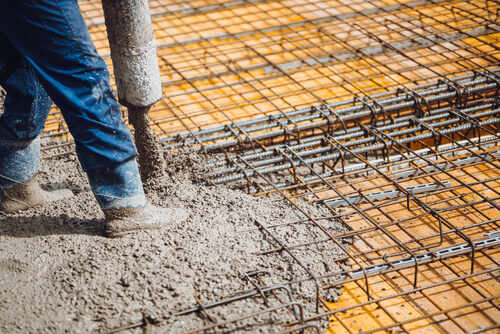
An RCC wall is often called a reinforced concrete wall. It means concrete is used along with steel bars inside it. The steel makes the wall stronger and helps it carry a heavy weight. And you can never break the RCC wall.
A structured wall is a wall that supports the building. It helps hold up floors and the roof. In simple words, it is an important wall that keeps the house standing safely.
A gravity wall is a wall that stays in place because of its own weight. It is usually thick and heavy, and it holds back soil without needing extra support.