


Share:
Home Building Guide
Our Products
Useful Tools
Home Building Guide
Products
Ultratech Building Products
Share:
Imagine this:
Rohan and his family finally found their dream plot, a quiet street, good sunlight, and a perfect neighbourhood. Excited to start building, they met their contractor… only to hear, “First, we need to prepare the site.”
Rohan thought, “Site preparation? Isn’t the land already there?”
Many new homebuilders feel the same. The truth is, site preparation for construction is the first big step in turning an empty piece of land into a safe, strong, future-proof home. And yes, site preparation costs can change a lot depending on the condition of the land.
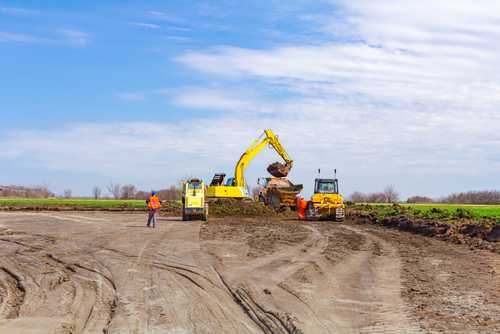
Site preparation is the simple “getting the land ready” stage before home construction begins.
Think of it like smoothing the ground before setting up a tent; you need a flat, clean, safe base before anything else.
In construction, this includes clearing plants, testing the soil, making the land even, digging for the foundation, and marking boundaries. Without this step, your home could later face problems like cracking, uneven floors, or waterlogging.
This is why site preparation for construction is one of the most important starting points of any project.
Tip: If your land is uneven or waterlogged, get a site inspection done early; it saves both time and money later.
Below are the major elements that affect site preparation costs. Rohan experienced all of these, and each one had a clear reason behind it.
When Rohan’s contractor first inspected the plot, he noticed thick plants, stones, and leftover construction waste.
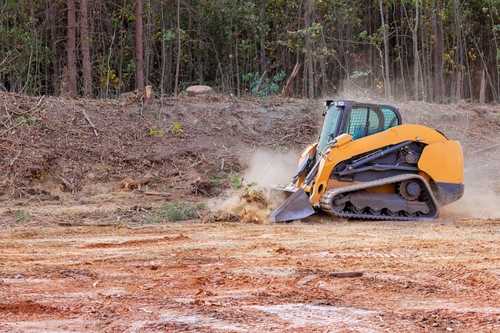
Land clearing includes:
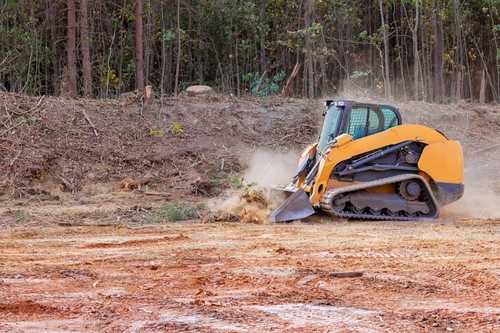
Removing bushes, plants, and weeds
Cutting trees (if needed)
Removing stones, debris, and waste
This step prepares a clean base for further work as part of the overall site preparation for construction.
Tip: Clear only what is necessary; preserving natural slope or trees can reduce extra work.
Rohan was surprised when the engineer started collecting soil samples. But soil testing is important. It reveals:
Soil strength
Moisture content
Load-bearing capacity
Risk of sinking or cracking
A land survey creates the exact plot boundaries, slope, and dimensions for your plot. This ensures that there are no future problems and helps create accurate construction plans. Both soil tests and surveys play a major role in calculating site preparation costs.
Also Read: Understanding Soil Exploration
If the land is uneven, slopes or bumps must be corrected.
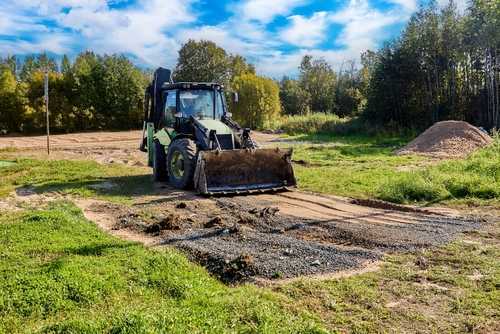
Land levelling is done to:
Prevent waterlogging
Ensure an even foundation
Support smooth drainage planning
Grading also directs rainwater away from the house, keeping the structure safe during monsoons. This is a standard part of site preparation for construction.
Also Read: Understanding Levelling in Construction
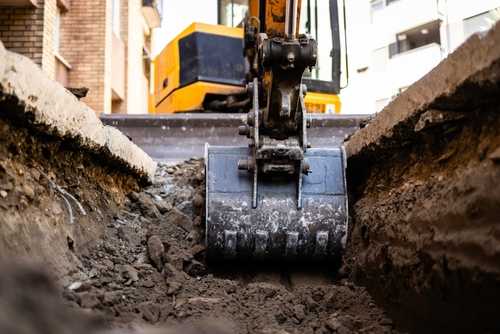
This is where big machines enter the story. Excavation means digging the earth for:
Foundation
Basement (if any)
Water tank
Septic tank
The cost changes depending on soil hardness. Rocky soil = more time + heavier machines.
Naturally, excavation can affect your total site preparation costs.
Watch this video to understand: Foundation Excavation
After excavation, some areas need to be filled back using good soil or sand to strengthen the base.
Compaction uses heavy rollers to press the soil so it becomes:
Firm
Stable
Ready for construction load
Skipping this step can cause cracks in walls and uneven floors later, making it essential in site preparation for construction.
Also read: Understanding Backfilling in Construction
To avoid confusion during construction, the engineer marks the exact plot lines and corners.
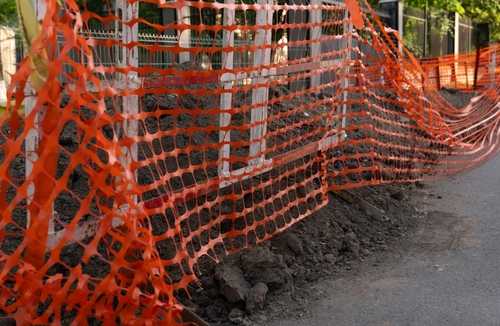
Fencing protects the site from unauthorised entry and keeps materials safe.
For Rohan, this step made him feel calm, as his plot now looked “officially ready” for construction. It is considered a standard part of site preparation costs.
Also Read: Types of Boundary walls
Different plots have different challenges. Here are the main factors that increase or decrease site preparation costs:
Plot Size
Larger plots naturally need more work and time.
Land Condition
Flat land is cheaper. Sloped, rocky or water-logged land costs more and requires more site preparation for construction.
Location
Availability of machines, distance from the city, and labour charges vary.
Soil Type
Hard soil needs heavy machinery; loose soil needs more filling.
Obstacles
Trees, old structures, or underground water lines raise costs.
Level of Preparation Needed
Basement? Deep foundation? A large home?
All these increase excavation and filling needs.
Think of it like preparing a road; a smooth road needs simple work, but a rough, uneven road needs more time, tools, and effort.
Every home and every plot is different, but here is a general idea of what homeowners in India usually spend on site preparation costs:
Land clearing: ₹10,000 – ₹50,000
Soil testing & survey: ₹5,000 – ₹25,000
Levelling & grading: ₹20,000 – ₹1,00,000
Excavation: ₹30,000 – ₹2,00,000
Filling & compaction: ₹15,000 – ₹1,50,000
Boundary marking & fencing: ₹10,000 – ₹60,000
Total estimated range: ₹90,000 to ₹6,00,000
(Varies widely based on plot complexity)
Rohan’s land needed extra levelling because of a slope, so his site preparation costs were higher, but the investment made his home foundation strong and safe.
Also Read: Understanding Hidden Costs in Building a Home
Rohan followed these tips and saved a good amount, and you can too. These apply to almost every homeowner dealing with site preparation for construction:
1. Choose a Plot with Fewer Natural Obstacles
Flat, clean land requires minimum preparation.
2. Compare Soil Testing & Survey Rates
Ask for quotations from at least 2–3 licensed engineers.
3. Use Easily Available Local Soil
This reduces transport charges.
4. Avoid Cutting Big Trees Unless Necessary
Tree removal is expensive and often requires permission.
5. Plan Properly Before Starting
A clear construction plan avoids rework and unexpected extra costs.
6. Work with Trusted Experts
Experienced engineers make accurate estimates and avoid unnecessary steps.
Site preparation may feel like a “hidden cost”, but it’s the foundation of everything that comes next.
Just like Rohan discovered, well-managed site preparation for construction ensures:
A stronger foundation
Safer construction
Fewer problems in the future
Better value for every rupee spent
Think of it as giving your dream home the solid base it truly deserves.
Also Read: Understanding Foundation Building: The First Step in Home Building
By calculating site preparation costs such as clearing, soil testing, levelling, excavation, filling, fencing, and labour. Engineers also consider land conditions, soil type, and machinery needs.
Preparing the site means completing all steps involved in site preparation for construction, clearing the land, testing the soil, levelling, excavation, and marking boundaries.
A typical checklist includes:
All of these contribute to total site preparation costs.
Site instructions are notes given by engineers or supervisors to guide workers. They explain tasks, safety rules, material use, and any changes needed during site preparation for construction and later stages.