



Material quality plays a major role in building safety and durability. Regular construction material testing ensures that the materials used on site meet required standards and perform as expected. Without proper testing, structural strength, durability, and safety can be compromised.
Why Construction Material Testing Is Important
Every construction project requires strict quality control in construction to prevent defects and reduce long-term repair costs. Testing materials such as cement, concrete, steel, bricks, sand, and aggregates confirms that they meet design specifications.
Proper quality check in construction helps:
Maintain structural strength
Avoid material failure
Ensure compliance with building codes
Improve overall project quality
Reduce rework and delays
How Often Should Material Testing Be Done?
The frequency of construction material testing depends on the project size, type of material, and stage of work.
Cement: Test each new batch delivered to the site. Check the setting time and compressive strength as per standards.
Concrete: Conduct slump tests daily during pouring to check how well the concrete is working. Cube tests should be done for every specified volume of concrete to check how strong it becomes after setting.
Steel: Test samples from each lot for tensile strength and bend tests before use.
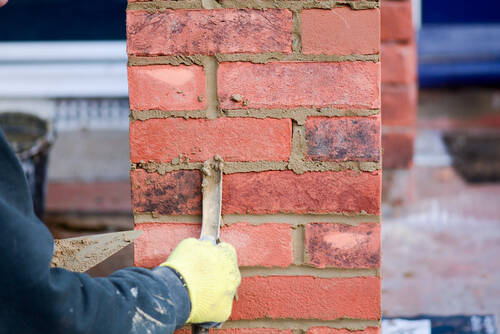
Bricks: Random sample testing for compressive strength and water absorption for every batch.
Sand and Aggregates: Test for grading and moisture content regularly, especially when the source changes.
Larger projects usually follow formal quality control programs for construction, where testing schedules are predefined. Smaller residential builds should still follow basic testing guidelines to maintain safety.
Role of Quality Control Programs
Well-planned quality control programs for construction define testing frequency, documentation procedures, and inspection schedules. These programmes ensure consistent quality control in construction and help track material performance throughout the project.
(Also Read: 10 Types of Building Materials Used in Construction)
Building Confidence Through Consistent Quality Checks
Regular construction material testing is essential for safe and durable homes. A consistent quality check in construction, supported by proper quality control programs for construction, ensures compliance and long-term reliability.
Testing should be carried out at every critical stage, especially when new material batches arrive. Proper quality control in construction protects both investment and occupant safety.