


Share:
Home Building Guide
Our Products
Useful Tools
Home Building Guide
Products
Ultratech Building Products
Share:
Spot leaks early from cracks, poor slope, or damage to avoid big repairs.
Use waterproofing and sealants for a quick roof leakage solution.
Maintain regularly with cleaning and checks.
Choose strong materials like concrete tiles for lasting results.
Let’s have a look at some of the causes of roof leaks:
Cracks can form over time because of weather or poor installation. These gaps let water seep in and cause damage. Do a quick roof inspection twice a year to catch cracks early.
If the slope is too low or too steep, water may pool or run off incorrectly, causing leaks or gutter overflow. When building or renovating, confirm the slope with a professional to avoid leakage issues in the future.
Flashing protects the joints around chimneys, vents, and skylights. It is a thin metal or waterproof material installed to seal roof joints and direct water away from them. If it cracks, rusts, or loosens, water can easily seep in. Check flashing after heavy rains, as it’s a common cause of roof-leak issues.
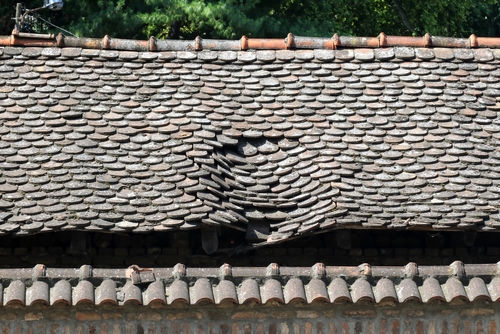
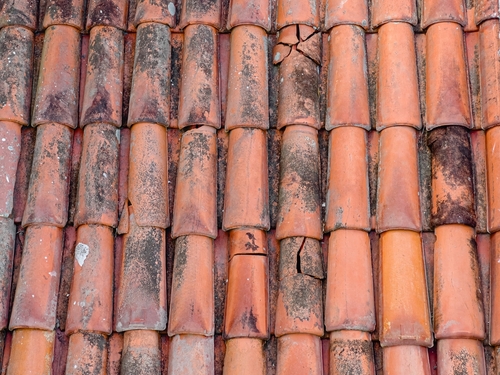
Tiles can break due to storms or aging, creating open spaces that allow ingress of water. Replace damaged tiles immediately to prevent ceiling damage.
Clogged gutters, piled leaves, and debris trap water and damage the roof over time. Clean gutters every 2–3 months to fix leaks in the ceiling before they start.
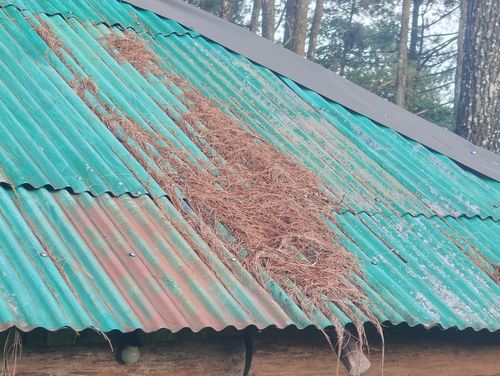
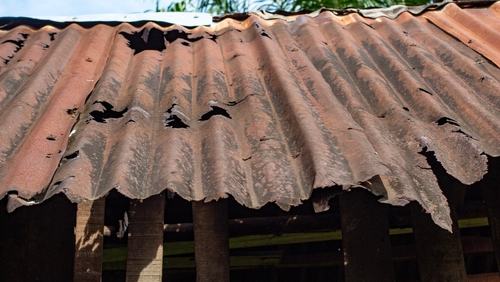
Metal roofs can rust due to humidity, creating holes that leak. Apply anti-rust coatings yearly to protect the roof.
Sun, rain, and wind weaken roofing materials over the years, making them less water-resistant. If your roof is 15–20 years old, plan ahead for repairs or replacement.
Here are simple, effective methods to repair a leaking roof using different materials.
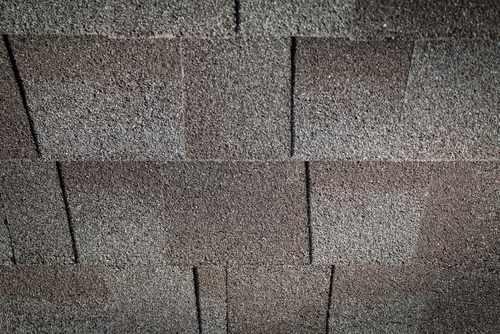
One way to stop roof leakages is by installing asphalt shingles. Asphalt shingles are durable and inexpensive. They are easy to install and repair, making them a popular choice for homeowners. Here are some steps to help repair your roof:
Clear leaves, dirt, and debris from gutters and the roof surface every three months. Check tiles and flashing once a year for early signs of wear. Regular care stops small problems from becoming leaks.
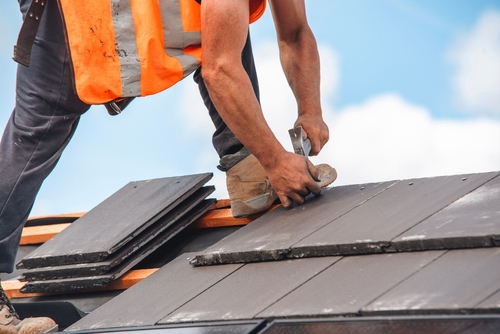
Fix loose or shifted tiles using cement mortar to hold them in place. Make sure each tile overlaps the one below it properly so water runs off easily. Good fitting prevents gaps where rain can enter.
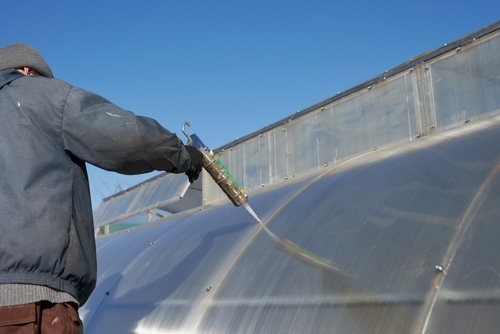
Fill gaps around pipes, edges, or skylights with strong sealant. Choose flexible types that move with the roof in wind or heat. This blocks water at leaky joints and keeps your ceiling dry.
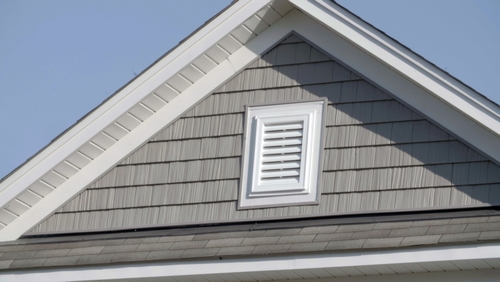
Install vents in the roof or attic to let out trapped hot air and steam. They stop moisture buildup from cooking or showers. Good airflow keeps the roof dry from the inside out.
Choose materials that stand up to rain and wind for long-lasting results.
Asphalt shingles work well for easy fixes and low slopes.
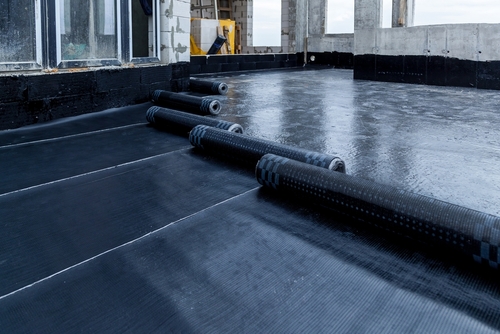
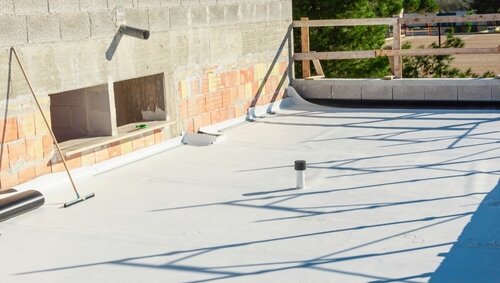
Roll roofing suits flat roofs and simple repairs.
Wood shakes add style but need treatment against rot.
Concrete tiles offer strength and handle heavy rain best.
These steps make how to fix a leaking roof simple and effective for most homes. Start with the easiest fixes first, and call a professional for high or complex roofs.
Tip: For how to fix a leaking roof fast, use a flexible sealant inside on ceiling stains. It buys time until full repair. |
Follow these easy steps for permanent fixes that stop leaks for good. Always work safely and take your time to do each part right. This guide helps with how to fix a leaking roof at home without needing experts for small jobs.
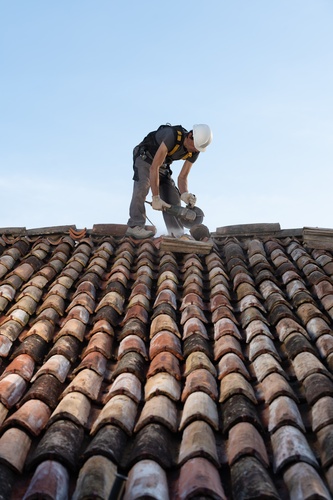
Turn off power if you work near electrical wires to avoid shocks. Use a sturdy ladder with someone holding it steady. Wear a harness if the roof is steep, and never work alone or in bad weather. Safety keeps you safe while you repair a leaking roof.
From inside your home, mark wet ceiling spots with tape during dry weather. Go outside and spray water gently with a garden hose on different roof areas. Watch inside for drips to spot the exact entry point. This step makes leaking roof repair much easier.
Remove loose tiles, dirt, leaves, or old cracked sealant around the leak. Use a wire brush to scrub away grime. Let everything dry fully in the sun before fixing. A clean surface helps new materials stick well for ceiling leak repair.
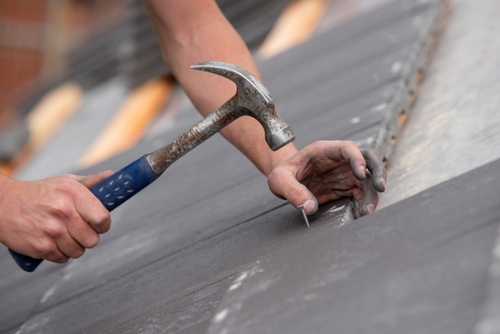
Seal small cracks with a waterproof cement mix that fills gaps tightly. Replace any broken or missing tiles with matching ones nailed securely. Straighten bent flashing around chimneys or pipes and secure it with nails. This stops water at the source for good.
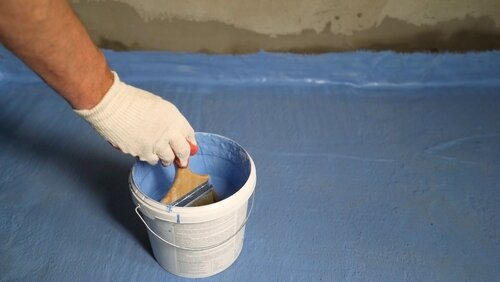
Spread a strong sealant or waterproof coating over repaired areas and joints. Use a brush or roller for even coverage on dry surfaces. Let it dry fully as per the product instructions, usually 24 hours. This seals roof leaks and protects against future rain.
Pour buckets of water over the fixed area or use the hose again to check for drips inside. Fix any remaining issues right away. Inspect your roof every six months and after storms to catch problems early. Regular checks keep your roof leak-free for years.
Tip: For heavy rain leaks, add extra roof slope with purlins if possible. Call a pro for steep roofs. |
A leaking roof harms your home and your peace of mind, but simple steps fix it fast when you act early. Small drips today can lead to weak beams and costly rebuilds tomorrow, so stay ahead with regular checks and quick repairs.
Think of your roof like a shield for your family, it takes daily weather beatings silently, but deserves your care in return. Use the fixes you've learned, from sealing cracks to proper venting, and watch how they transform wet worries into dry comfort.
Your home stays dry, strong, and safe for years ahead. Start your next roof check today and enjoy true peace of mind knowing you've got this covered.
Clean the damaged area first by removing dirt and loose bits. Seal cracks and gaps with a waterproof coating that fills them tightly. Fix or replace loose tiles with cement mortar. These steps work well for small leaks and save you from full roof replacement.
Find the exact cause by checking for cracks, broken tiles, or poor flashing. Repair it with quality sealant, cement mortar, or new parts. Then apply waterproof coating over the whole roof area for long-term protection. This stops leaks from coming back even after heavy rains.
Clear all blockages from gutters and drains first to let water flow freely. Seal joints around pipes and edges with strong, flexible sealant. Use wind-resistant tiles that stay in place during storms. Waterproofing the surface helps most by blocking water entry completely.
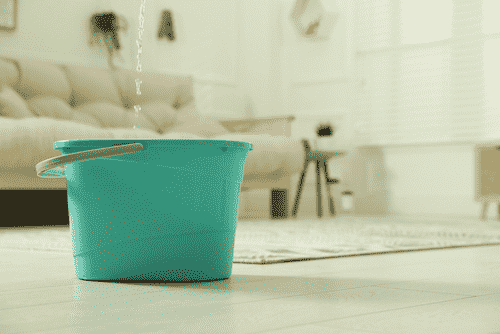
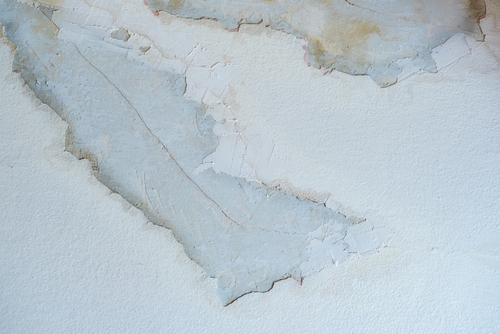
Locate wet ceiling stains and clean them dry. Patch the area with flexible sealant that sticks to plaster and moves with the ceiling. Place a bucket underneath for drips. This does quick ceiling leak repair until you can fix the roof properly from outside.