


Share:
Home Building Guide
Our Products
Useful Tools
Home Building Guide
Products
Ultratech Building Products
Share:
Types of roofing sheets include metal, plastic, polycarbonate, asphalt, slate, and bitumen.
Corrugated metal works best for sheds and strong weather protection.
Pick based on weather, like polycarbonate for light or slate for style.
Clean and paint sheets often to make them last longer.
Match the cost and look to your home for the best fit.
Your roof protects your home from rain, sun, and wind. It protects your walls, floors, and family from damage every day. The right type of roofing sheet withstands heavy rain, hot sun, and strong winds in your area.
It also makes your home look nice from the street and helps save energy by blocking excess heat from entering. A wrong choice can cause leaks that wet your ceilings, fast wear from weather, or high costs to fix or replace soon. But a smart pick from different types of roofing sheets means low care needs, a long life, and peace of mind for your family.
Tip: Check your roof twice a year for loose sheets or dirt to spot problems early.
Here are six common types of roofing sheets used in home building. Each type suits different needs, like strong weather protection or bright light inside. We explain what they are made from, how they work, and the best places to use them. This helps you choose roofing sheets that fit your home.
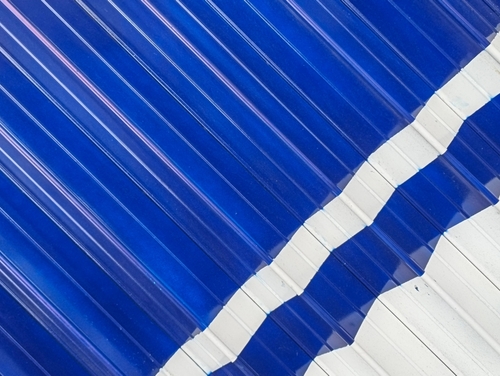
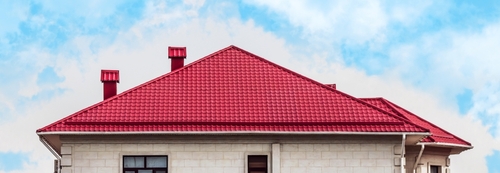
These are wavy sheets made from strong metals such as galvanised iron or steel. The waves make them stiff, so they cover large areas fast without bending. Iron sheets for the roof or steel roofing sheets handle heavy rain, wind, and sun well.
1. Sheds or home extensions need tough, quick cover from these sheets.
2. Factories or open spaces face strong winds or hail, so these sheets work well there.
3. Sloped roofs use them to shed water fast and block summer heat.
Tip: Paint metal sheets every few years to stop rust from rain or moisture.
These are clear sheets made from hard, tough plastic. They let sunlight pass through to make spaces bright and airy. They resist cracks from hail, falling branches, or strong winds.
1. Patios or balconies want natural light and views, so these sheets fit perfectly.
2. Carports shelter cars while keeping the area bright with these sheets.
3. Greenhouses or garden rooms need sun for plants, which these sheets provide.
Tip: Wipe polycarbonate sheets gently to avoid scratches that block light.
Made from PVC or similar lightweight plastic, these sheets come in many colours and easy shapes. They weigh little so you can lift them by hand. Shed sheets often use this type for quick, simple covers.
1. Small garden sheds or tool storage on a low budget, so these sheets suit them.
2. Side walls or temporary covers need fast setup, which these sheets allow.
3. Play areas or pet shelters need lightweight, and these sheets deliver that.
Tip: Clean plastic sheets with soapy water to keep them clear and strong against sun fade.
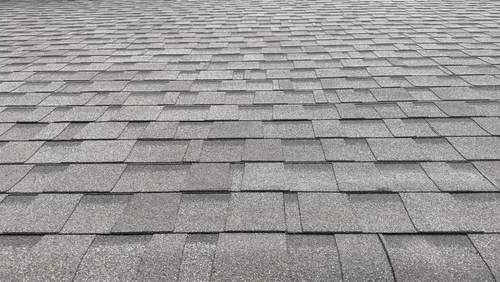
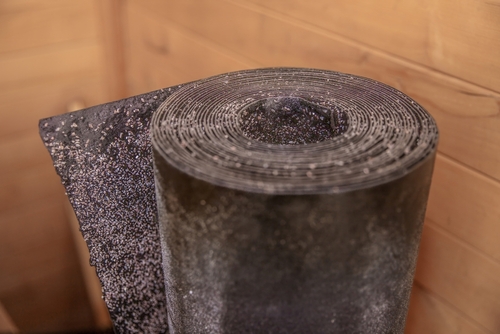
These sheets have a base of strong felt or mat coated with thick asphalt for water seal. They look like traditional roof tiles but roll out in sheet form for faster work. Metal sheets for roofs often pair with them for extra strength.
1. Sloped home roofs in areas with normal rain and sun use these sheets well.
2. Extensions or garages need a classic tile look, which these sheets give.
3. Budget homes want water blocks without high cost, so these sheets help.
Tip: Overlap asphalt sheets properly during fix to stop wind lifting edges.
Cut from natural stone, these flat sheets have a smooth, premium finish. They stack close together to form a tight layer that stops water from leaking through. Types of sheet roofing often include slate when style matters most.
1. Fancy homes or bungalows look first, so these sheets shine there.
2. Old-style builds match traditional stone roofs with these sheets.
3. Areas with snow or wind stay safe because these sheets hold without breaking.
Tip: Hire skilled workers for slate to ensure tight fits and long life.
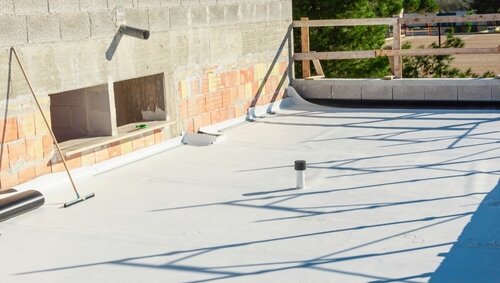
Made with layers of sticky bitumen, these flexible sheets seal very tightly on flat surfaces. They stick to the roof and stretch a little without tearing. Roofing sheet types like this work well for low-slope areas.
1. Flat terraces or low-slope roofs on homes or flats need a strong seal from these sheets.
2. Shops or extensions are prone to water pooling, so these sheets prevent it.
3. Wet areas require a seal without slopes, and these sheets handle it.
Tip: Seal bitumen edges well with an extra coat to stop water from seeping under over time.
Think about these points to pick the best roofing sheet for your home. Match them to your needs, like weather or budget. Here is what to check for each type of roofing sheet.
1. Strength and Life: Metal sheets last long in tough weather like heavy rain or wind. Plastic sheets suit light use where you do not need extra toughness.
2. Weather Protection: Pick sheets that fight rain, heat, or wind in your area. For example, galvanised metal holds up in storms while polycarbonate blocks sun glare.
3. Fix and Care: Light sheets like plastic go up fast with basic tools. Stone or slate sheets need skilled workers for tight fits and less upkeep later.
4. Energy Savings: Clear polycarbonate lets light in while blocking heat buildup inside your home. Metal sheets reflect the sun to keep rooms cooler, too.
5. Look: Slate sheets give a rich, classic style to fancy homes. Coloured plastic sheets add a fun, bright look to sheds or gardens.
6. Cost: Plastic sheets cost less to start and buy. Metal sheets save money over time because they last without the need for quick fixes.
Tip: Talk to your builder about local rain or sun to match the right type.
These steps help you choose a roofing sheet that fits your home well. It stays dry, cool, and strong for years.
Also watch - https://youtube.com/shorts/ODCLsi7PtAU?si=o6h6P3k-WfOENkwZ
Roofing sheets do more than cover your home; they shield your family from daily weather battles and keep living spaces comfortable. Think back to the wavy metal sheets that stand up to storms on sheds or the clear polycarbonate ones that brighten patios without leaks.
Match these types of roofing sheets to your local weather and builder's advice, just like we covered in the features section. Simple care, such as painting metal or cleaning plastic, turns a good choice into one that lasts decades without surprises. Your home stays dry and safe. Start that chat with your builder today for a roof built to protect for years.
Corrugated metal sheets are often the best for most homes. They handle heavy rain and strong sun well, last many years with simple care, and keep costs fair for families. Your builder can confirm if they match your roof slope and weather.
Thicker sheets last longer against wind, hail, or falling branches. They hold up better on large roofs with more load. Always ask your builder for the right thickness based on your home's size and local storms.
Polycarbonate or metal sheets work best in hot climates. They block too much heat while letting some light through, so your home stays cooler and doesn't cast dark shadows. Pick ones with sun protection for long life.
Bitumen sheets seal flat terraces tightly and stop water from pooling after rain. They stick well and withstand light rain without leaking. Use them when your terrace has little slope for water to run off.
Steel roofing sheets or slate hold up best in rainy climates. They shed water fast so it does not sit and cause rust or mould. Add good care, like painting, to keep them strong through wet seasons..