


Share:
Home Building Guide
Our Products
Useful Tools
Home Building Guide
Products
Ultratech Building Products
Share:
Cement grouting fills gaps under footings and around RCC columns to stop cracks and an increase in soil water, making it essential for homes on clay or black cotton soil.
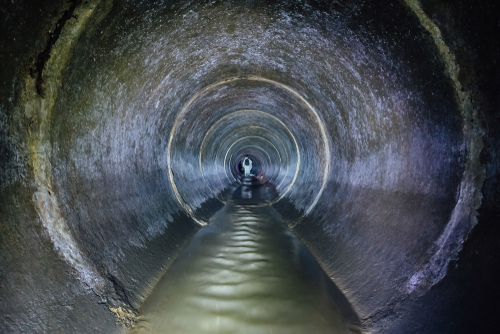
Chemical grouting uses expanding polyurethane foam to seal leaks tightly, providing quick waterproofing for basements and tunnels.
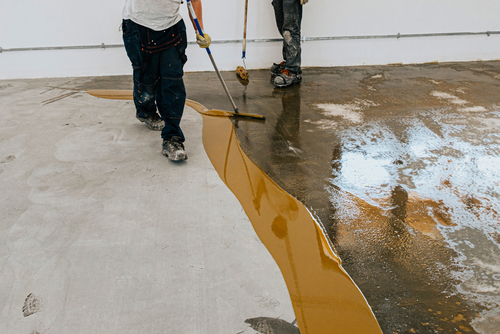
Structural epoxy grouting provides super-high strength to support machines like generators or presses, absorbing vibrations under 10-tonne loads.
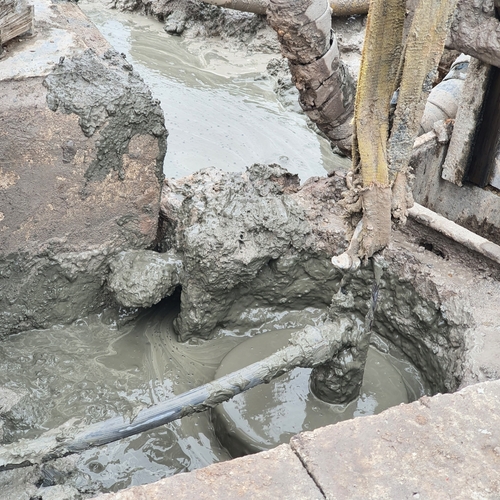
Bentonite grouting forms clay-based cement-free gel seals that are great at blocking groundwater in wells and pipes.
Bituminous grouting includes applying flexible tar mixes to waterproof roofs, tunnels, and coastal constructions.
Resin grouting hardens liquids into steel-like bonds to fix wide cracks or bridge repairs, offering long-term durability despite higher cost.
Grouting improves stability by cutting settling risks by 50%, boosts load capacity by 20-30%, prevents corrosion/leaks, and stabilises soil for safer structures.
Follow the process: clean surfaces, mix correctly(1:0.4 cement:water), pump at 1-5 bar, and wet-cure 3-7 days for maximum strength.
Grouting acts like invisible glue in construction. It adds thin cement mixtures, chemicals, or resins into tiny cracks, empty holes, and soil gaps that poured concrete cannot fill on its own. This process brings together loose stones, steel bars, or soil particles, stops water from entering, and spreads heavy loads evenly across the entire structure.
Without proper grouting, buildings settle unevenly, causing cracks and developing leaks during rain, causing foundations to lose strength over just a few years. The right grouting techniques can protect homes from mild earthquakes, monsoon floods, and daily wear, reducing repair bills over decades.
In India, grouting is essential for RCC columns (filling base pockets), machine foundations (vibration control), and basement waterproofing (stopping groundwater rise). From small homes to metro projects, it makes sure every build is safe and solid over the long-term.
Tip: Use fresh water and cement for the grouting mix. Old batches may lose flow and strength.
Pick grouting materials by size, water risk, and load needs. Here are the six main types of grouting used in homes and big projects.
Cement grouting mixes cement, water, and fine sand into a pourable mixture. This can be added easily into concrete gaps or soil and hardens rock-solid in hours.
Cement grouting is best for foundations, crack repairs, or evening out slabs, offering cheap and strong performance for most home jobs.
Chemicals like polyurethane foam expand when exposed to water. Fills big gaps and seals leaks tightly.
It is perfect for waterproofing basements, tunnels, or stopping soil wash in dams. It sets quickly, which suits emergency fixes.
Tip: Wear gloves and masks for chemical grouting, as some irritate the skin.
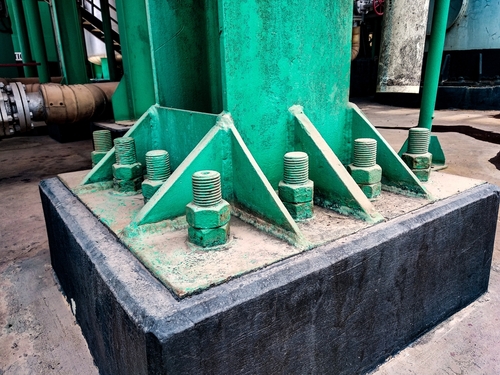
Epoxy-based cementitious grouting binds steel bolts to concrete or joins beams tightly. It provides super high strength and is ideal for machine beds, bridge anchors, or column base plates, as it handles heavy vibrations without cracking.
Bentonite clay swells very well when mixed with water, forming strong gel seals without the need for cement.
It’s best at sealing boreholes, wells, or soil around pipes and naturally stops groundwater flow.
Bituminous grouting uses a bitumen tar mix to effectively seal roofs, tunnels, and foundations against water penetration.
It remains flexible during shakes and vibrations, making it ideal for underground parking or coastal walls where rain seeps in deeply.
Resin grouting involves liquids that harden quickly and provide high adhesive strength, offering tensile power as much as steel.
It fixes wide concrete cracks, anchors rebar, or repairs bridges, and though it is expensive, it lasts for years.
Grouting solves multiple problems at once, from leaks to weak spots. These seven key benefits show why every builder uses grouting techniques for safer, longer-lasting structures.
Fills empty gaps between stones or concrete so walls and floors move together as one solid unit. Using resin grouting reduces the risk of uneven settling by 50%, keeping doors and windows straight for decades.
Blocks all water paths in basements, roofs, and bathrooms. It leaves no damp walls, peeling paint, or black mould growth that damages health and looks.
Adds 20-30% extra strength to shaky foundations or overloaded columns. It allows adding floors to existing homes safely without requiring new footings.
Tip: Pressure pump grout at 2-5 bar for deep gaps.
Epoxy grouts cover steel bars completely, blocking rust caused by salty soil or sea air. It doubles the lifespan of rebar in coastal apartments.
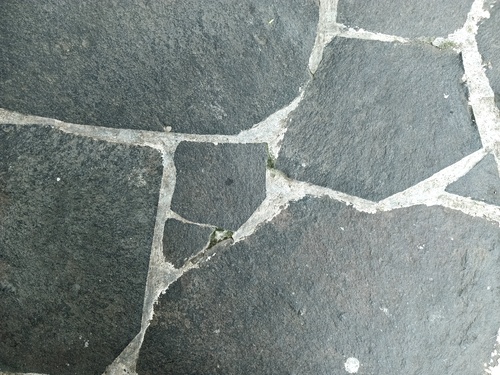
Chemical or cement grouts lock loose sandy soil in place for tunnel linings, pile foundations, or underpass bases. This prevents slides during monsoons.
Removes air pockets that weaken fresh concrete pours or let rats hide in walls. It creates a 100% dense fill throughout the entire area.
This repairs wide cracks in old slabs without jackhammer demolition by pumping in overnight, curing strongly, and completing 70% faster than traditional rebuild methods.
Grouting fits every construction stage, from new foundations to fixing old buildings. Match the type of grouting to your site's soil, water level, and load needs for best results.
Cement grouting fills gaps under footings and pockets around RCC columns. It stops cracks and prevents water from rising from the soil. It is essential for houses built on clay or black cotton soil.
It can stabilise generators, compressors, or factory presses securely. It absorbs vibrations and maintains perfect straightness under 10-tonne loads. No re-levelling is needed for years.
Tip: Drill 50mm holes every 300mm around the machine base for full grout covering.
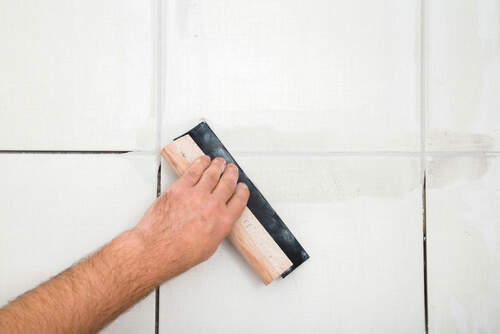
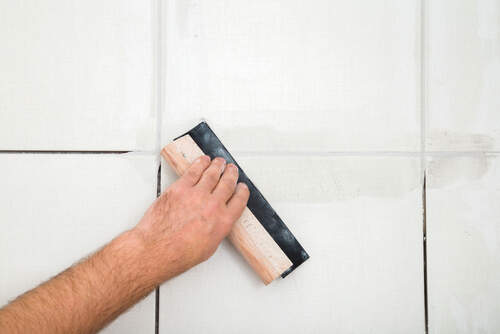
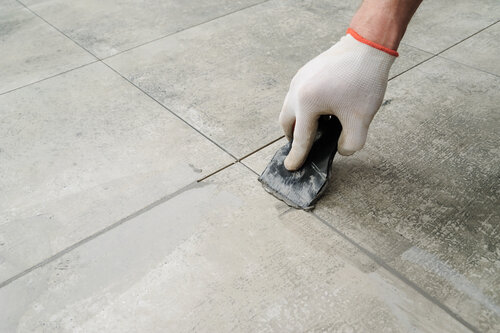
Cementitious grout seals bathroom, kitchen, and floor tiles. It blocks moisture under slabs and stops dirt from collecting. Use coloured types matching tile shade for a clean look.
Chemical or bituminous grouting is added under cracked terraces. This seals honeycomb gaps from poor pours. It stops leaks reaching ceilings below, a common Mumbai monsoon fix.
Bentonite or chemical grouting solidifies loose sand for high-rise piles. It creates 5m deep stable zones around deep foundations. Metro projects use it under stations.
Resin grouting joins beams, holds bridge bearings, or fixes expansion joints. Its high tensile strength handles traffic shakes, doubling service life as compared to plain cement.
From bungalows to skyscrapers, grouting solves site-specific problems that concrete cannot handle.
Follow these simple steps for clean, strong grouting that lasts. Incorrect ordering or skips may cause weak bonds and repeated work.
Remove loose concrete, old grout, or dirt with a chisel. Wire brush rough surfaces. Wash with a water jet to remove all dust and grease. Let it dry for 24 hours if there is no water risk. Clean holes stick with grouting material 3x stronger.
Follow packet ratios exactly; the typical cement: water ratio is 1:0.4 (1 cement to 0.4 water by weight). Use a drill mixer for 3 minutes till smooth and no lumps. Test the flow; it should pour like thin cream off a spoon. Too thick misses gaps, and too thin tends to shrink.
Tape edges with polythene to catch spills. For walls/slabs >1m², drill 12-16mm holes every 1m in a grid pattern. Insert plastic nozzles (packers) with rubber seals.
Tip: Test grout flow on leftover concrete first, and adjust water if it clogs the nozzle.
Start the hand pump or machine at low pressure (1-2 bar). Inject from the bottom holes up so air escapes the top. Watch nozzles, grout oozing means the gap is full. Move one row at a time. 5-10 bar for deep foundation gaps.
Cover all grouted areas with wet gunny bags or hessian cloth immediately. Sprinkle water 2x daily for 3-7 days. Block direct sun with wet shade cloth. Wet cure builds 50% more strength vs dry air.
Full strength hits 28 days. Test drilled cores if critical structure. Clean tools the same day, dried grout ruins pumps.
Grouting helps for weak spots, cracks, and voids with the rock-solid strength that buildings need. From simple cement grouting material for everyday concrete repairs to advanced resin grouting techniques for heavy machine loads and bridges, the right choice matches every construction need and site condition.
Talk to your mason or engineer early in planning. Test soil moisture and load requirements first. Follow the proven clean-mix-pump-cure steps exactly for the best results every time.
Your home or project stays completely dry and 100% crack-free through heavy monsoons, daily vibrations, and years of use.
Yes, always remove old grout first. It consists of dirt, mould, and grease that block new grout from bonding properly. Remove 5-10mm deep old grout with a grout saw or chisel, then vacuum and wash with water. A fresh start gives 3x stronger joints that last.
Extra grout hardens like rock on tile surfaces, ruining the clean look. It scratches easily during cleanup and pulls tile edges if forced off. Wipe all extra grout within 20-30 minutes using a damp sponge in circular motion. Clean tools immediately as well.
It becomes ready for walking in 24-48 hours and fully hardens in 72 hours for light use. Cement grouts set faster in hot weather (20°C+) and slower in cold weather(below 15°C). A full 28-day cure helps it reach maximum strength. Avoid heavy traffic for the first 3 days.
Yes, light dampening helps in hot or dry conditions (above 30°C). Dry tiles absorb water from fresh grout, making the grout weak and crumbly. Use a damp, not wet, sponge on tiles and let the surface dry for 10 minutes before starting. Skip this step in cool, humid weather.
Use non-shrink, high-strength OPC 53-grade cement or ready-mixed grouting materials. Ordinary 43 grade settles and cracks; 53 grade flows better into gaps and grips 25% stronger. Premix packets guarantee a no-shrink formula perfect for column pockets and machine bases.