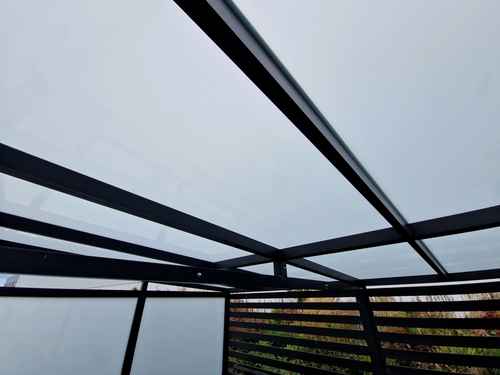
A strut in construction is a structural component designed to resist compression and provide support. It helps transfer loads and stabilise parts of a structure, such as walls, beams, or roofs. Struts are often used in frameworks, scaffolding, and temporary supports during construction to ensure safety and stability. Depending on the application, struts are typically made from materials like steel, timber, or aluminium.
What Are the Types of Struts in Construction?
Here are the main types of struts in construction:
1. Timber Strut
2. Steel Strut
3. Aluminum Strut
4. Reinforced Concrete Strut
5. Composite Strut
Tips for Homebuilders for Using Struts in Construction
For your home, struts play a vital role in ensuring the stability and durability of your construction project. Here are some useful tips to maximise their benefits:
Choose the right material: Timber struts are economical and suitable for temporary supports, while steel or reinforced concrete struts offer higher strength for permanent applications.
Understand load requirements: Always calculate the load a strut needs to bear before selecting one, which determines its size and material.
Check alignment: Misaligned struts can cause instability and reduce the efficiency of the structure. Proper alignment is key during installation.
Inspect regularly: Regular inspection of struts, especially temporary ones, helps identify wear or damage early. Replace damaged struts to maintain safety.
Consult an expert: For critical load-bearing applications, consult a structural engineer to ensure you’re using the right type of strut in construction.
Understanding the meaning of strut in construction is crucial for creating strong, reliable structures.
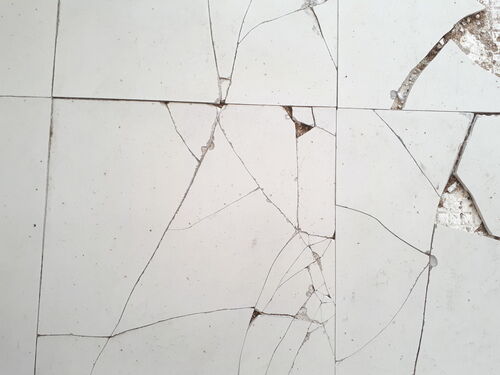
Cracked Floor Tiles - 6 Steps to Repair the Crack | UltraTech Cement
Cracked Floor Tiles - 6 Steps to Repair the Crack | UltraTech Cement
Say goodbye to cracked floor tiles! Learn how to effectively repair tile cracks and discover how to replace a chipped floor tile with our step-by-step guide for flawless results.
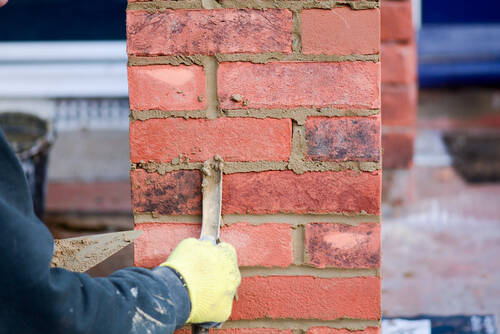
Pointing in Construction: Types, Purpose & Advantages
Pointing in Construction: Types, Purpose & Advantages
What is pointing in construction? Know its types like flush, tuck, V, and beaded pointing. Learn the purpose of pointing in brickwork and its key benefits.
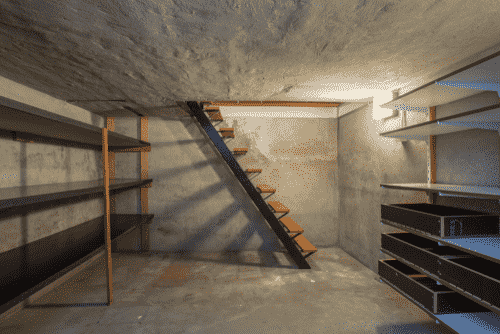
Basement Waterproofing Methods: A Complete Guide | UltraTech
Basement Waterproofing Methods: A Complete Guide
Basement waterproofing is essential to prevent water damage & other costly problems like mold growth. Know more about exterior & interior basement waterproofing.
Tools
Cost Calculator
Every home-builder wants to build their dream home but do so without going over-budget. By using the Cost Calculator, you’ll get a better idea of where and how much you might end up spending.
EMI Calculator
Taking a home-loan is one of the best ways to finance home-building but home-builders often ask how much EMI they’ll need to pay. With the EMI Calculator, you can get an estimate that will help you better plan your budget.
Product Predictor
For a home builder, it is important to find the right store where one can get all the valuable information about home building. Use the Store Locator feature and visit our store for more information on home building.
Store Locator
It is important for a home builder to select the right products during the initial stages of constructing a home. Use the Product Predictor to see which products will be needed while building your home.