


Share:
Home Building Guide
Our Products
Useful Tools
Home Building Guide
Products
Ultratech Building Products
Share:
Bricks are one of the most widely used materials in home construction. They are made from clay, sand, lime, or concrete. The properties of bricks, such as durability, hardness, and fire resistance, play an important role in the strength of your home.
Depending on the purpose, the thickness of a brick and its size can differ. The standard brick size in India is about 190 mm × 90 mm × 90 mm, but custom sizes are available based on structural needs.
Not sure what kind of structure you’re building? Explore our guide on the Types of Walls in Construction to get started on the right track.
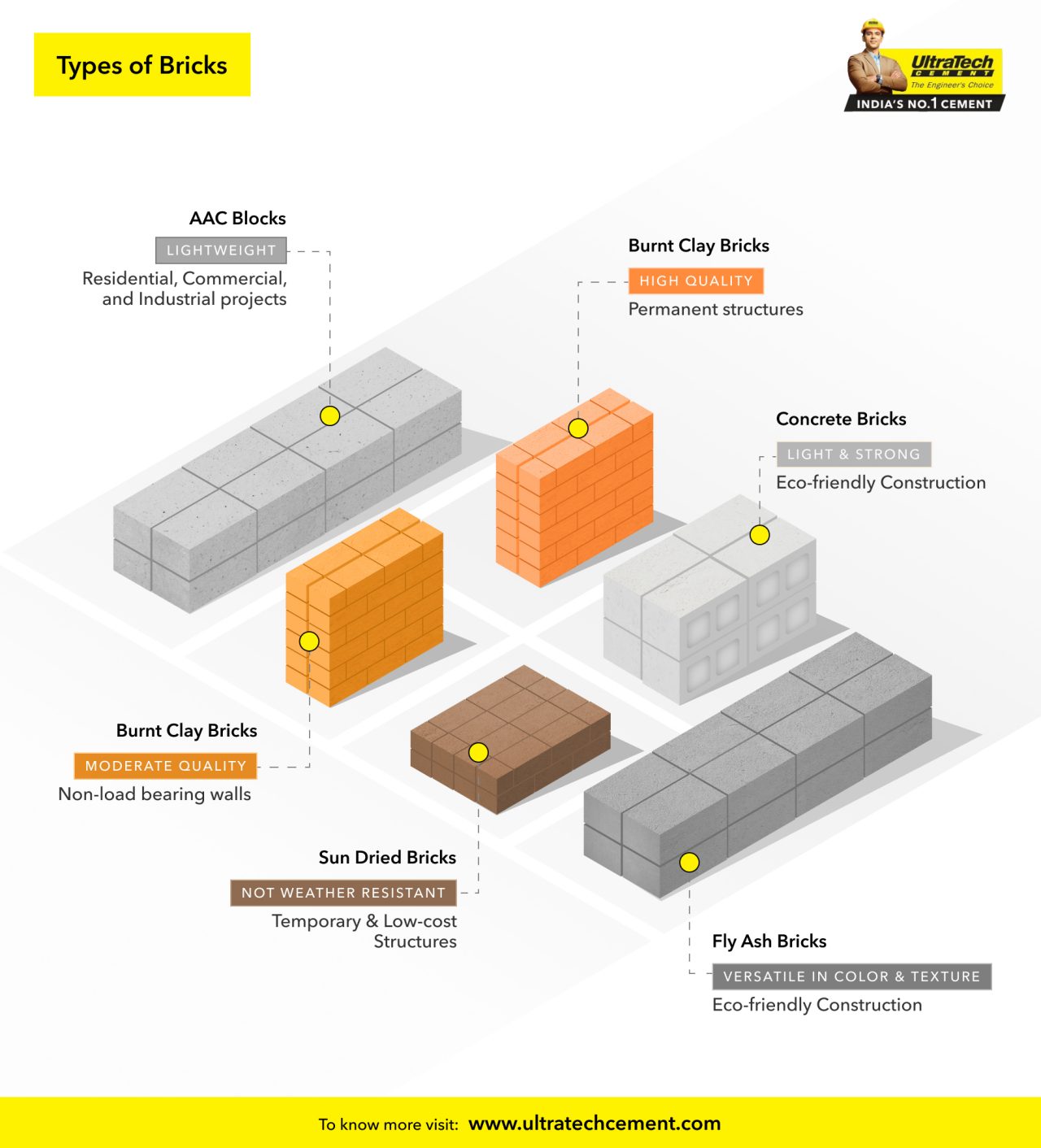
Here are some of the different types of bricks:
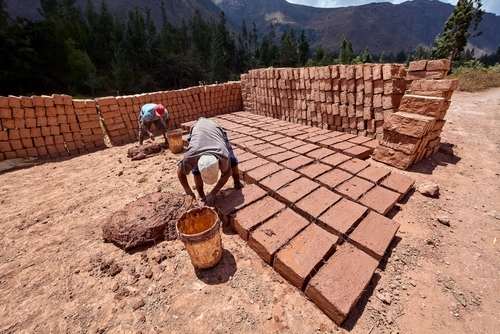
These are among the oldest forms of bricks, made by drying wet clay mixed with straw under sunlight. They are low-cost but less durable and are mostly used for temporary or rural structures.
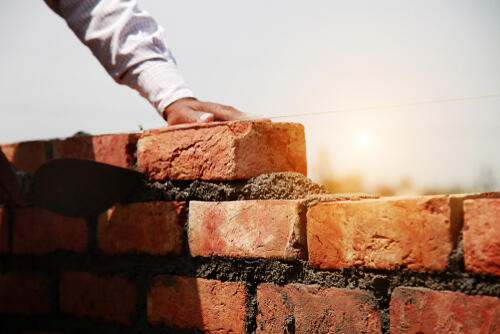
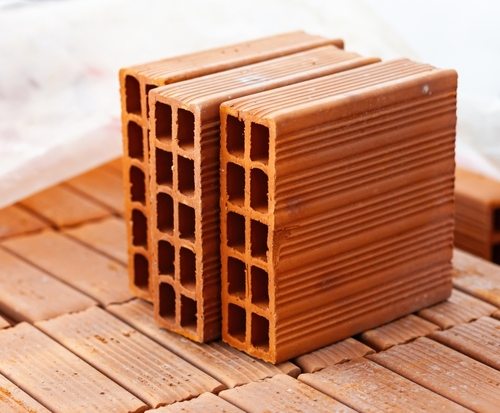
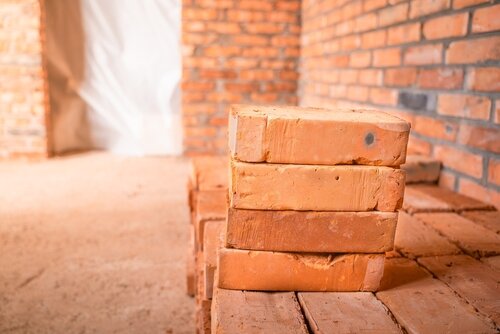
Burnt clay bricks are the most commonly used in residential construction. Made by firing clay at high temperatures, these bricks are strong, uniform, and resistant to heat and pressure. They are ideal for load-bearing walls and general building work.
Made from fly ash, cement, and water, fly ash bricks are an eco-friendly option. They are lightweight, cost-effective, and ideal for high-rise buildings due to their reduced load. These bricks also offer good resistance to water seepage and cracking.
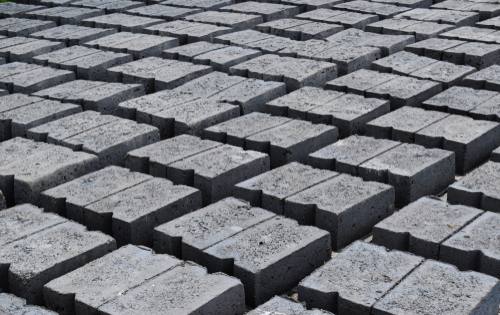
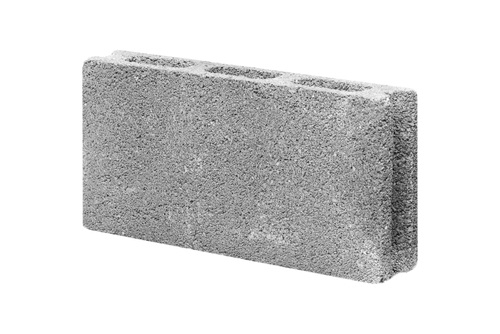
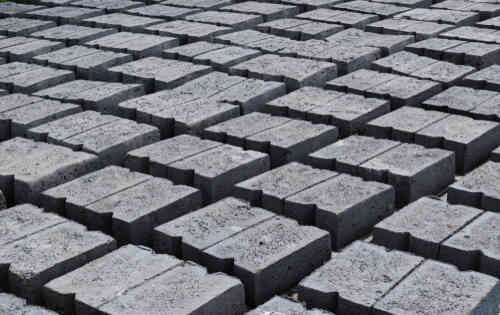
These are made by mixing cement, sand, and water, and then pouring the mixture into moulds. They are strong, durable, and resistant to fire and weathering. These bricks are used for load-bearing structures and as paving blocks.
These are designed for use in structural applications. They are made from good-quality clay that is fired at high temperatures, making them strong, dense, and resistant to water and chemicals. Bricks of this type are commonly used in areas where they are likely to be exposed to heavy loads or where water resistance is required.
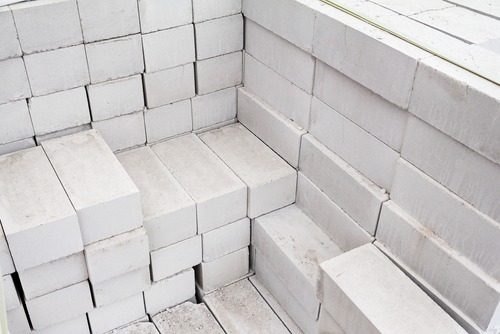
These are made from sand and lime and are known for their strength, durability, and resistance to fire. Calcium silicate bricks are lightweight and have good insulation properties, making them ideal for use in high-rise buildings or in areas where thermal insulation is important.
These types of bricks are made from recycled materials such as plastic bottles, paper, and other waste products. They are an eco-friendly option and are gaining popularity due to their sustainability. They are commonly used for non-structural purposes such as garden walls, landscaping, or decorative features.
Bricks come in different grades based on their strength, durability, and appearance. Broadly, bricks are categorised into first-class, second-class, third-class, and fourth-class types.
1. First-class bricks are high-quality, uniform in shape, and used for important structural work.
2. Second-class bricks are slightly rougher and are used where finishing is not critical.
3. Third-class bricks are cheaper, less durable, and best suited for temporary structures.
4. Fourth-class bricks are broken or over-burnt ones, often crushed for use in road foundations or as filler material.
Different types of bricks serve different purposes in construction. Knowing where and how to use each type helps you get the best results.
1. Clay bricks are used for residential walls due to their good insulation and classic look.
2. Fly ash bricks are eco-friendly and lightweight, ideal for high-rise buildings.
3. Concrete bricks offer better strength and are used in load-bearing walls or industrial areas.
4. Engineering bricks, with their high strength and water resistance, are perfect for basements or damp areas.
Knowing how to calculate brick quantity helps avoid delays and extra costs. Use this formula:
Number of Bricks = (Wall Area / Brick Area) × Adjustment Factor
1. First, calculate the area of the wall in square feet or meters.
2. Then, find the size of one brick (standard size is 190 mm × 90 mm × 90 mm or 7.5 in × 3.5 in × 3.5 in).
3. Add about 5-10% extra in case of breakage and wastage.
For example, for a 10 ft × 10 ft wall, you’ll need around 500–550 bricks, depending on the brick size and mortar gap. This simple calculation helps you order the right amount and avoid project delays.
Need help budgeting for your project? Use our Cost Calculator to get an estimate based on brick type, quantity, and location. |
Bricks can be identified by their size, colour, texture, and the sound they make when tapped. Here are some steps to help you identify bricks:
If you’re wondering what brick size is, know that it comes in various sizes, but the most common size is 8.5 inches by 4.25 inches by 2.75 inches (215 mm x 102.5 mm x 65 mm). You can measure the brick to determine its size.
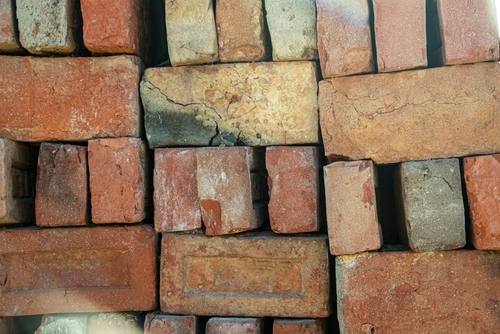
Bricks are available in a variety of colours, including red, brown, grey, and cream. The colour is based on the materials used to make the brick, the firing process, and the additives used in the production.
Bricks can have different textures depending on their intended use. Bricks used for load-bearing walls have a smooth surface and sharp edges, while bricks used for decorative purposes may have a rough texture or a pattern.
When tapped, a high-quality brick should produce a clear ringing sound. If the brick produces a dull thud, it may be low-quality or damaged.
If the brick will face outside weather or heavy use (like in pavements or outer walls), it needs to resist wear and damage. The harder the brick, the longer it lasts.
Planning a load-bearing wall or a structural column? You’ll need bricks that can handle weight. Higher compressive strength ensures the structure stays safe and stable.
Building in a rainy or humid area? Bricks with lower water absorption are better suited, since they’re less likely to crack, grow moss, or weaken over time.
A brick’s ability to conduct heat matters for insulation. For exterior walls and climate-sensitive areas, bricks with low thermal conductivity help maintain indoor temperatures, keeping them cooler in summer and warmer in winter.
Those white patches you sometimes see? That’s efflorescence, a sign of excess salts. Too much of it can damage the surface and reduce the brick’s durability, especially in visible or moisture-prone areas.
In areas where bricks will be in constant contact with cement, plaster, or alkaline soils (like foundations or wall joints), alkali resistance becomes important. A good brick won’t weaken, crack, or react when exposed to these materials.
Bricks may be small, but they play a big role in how safe and sturdy your home is. From sun-dried bricks for rural structures to burnt clay bricks for home construction, there’s a lot to choose from.
Testing bricks helps home builders check if they’re strong, safe, and right for the job. From how much water a brick absorbs to how much weight it can handle, each test gives useful clues. These checks help avoid problems later. You can learn more about the testing methods in this video.
First-class clay bricks and engineering bricks are some of the strongest. They offer high compressive strength and low water absorption, ideal for structural use.
The top five bricks are clay bricks, fly ash bricks, concrete bricks, engineering bricks, and fire bricks, each suited for different applications based on strength and durability.
First-class clay bricks are ideal for home building due to their strength, uniform shape, and good finish. They’re reliable for both walls and foundations.
Modular bricks are standard-sized bricks designed for uniformity and ease of construction. They help reduce mortar use and speed up bricklaying.
Wire-cut or exposed bricks often don’t need plastering. They have a smooth, finished surface that looks aesthetically appealing on its own.