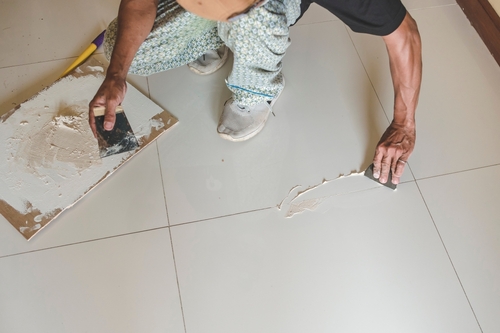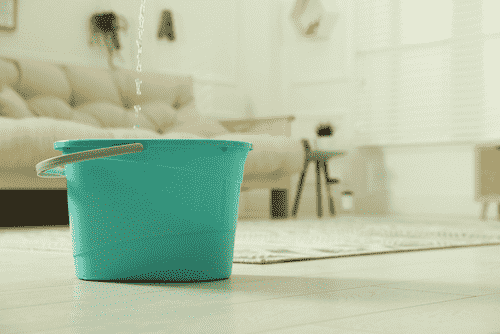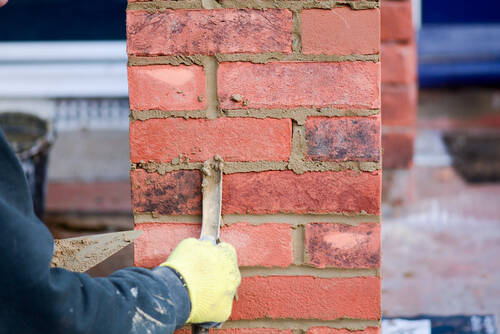




White cement is one of the easiest and most affordable ways to fix gaps at home, between tiles, around fixtures, near windows, or on walls. Here is everything you need to know.
Why Use White Cement to Fill Gaps?
White cement is strong, affordable, and works well in wet areas like bathrooms and kitchens. It sticks properly to tiles, walls, and most surfaces without needing any special tools. Once it dries, it holds stable for a long time and does not fall out easily, making it a reliable fix for gaps big and small.
Where Can White Cement Be Used?
You can use it across most areas of your home:
Floor and wall tile gaps
Around bathroom sinks, bathtubs, and toilets
Gaps around the window and door frames
Small cracks on interior and exterior walls
Ceiling cracks
How to Mix White Cement for Gap Filling
Getting the mix right is the most important part. Follow these points:
Use clean water, about 25–30% of the cement quantity.
Mix slowly until the paste is smooth, like thick toothpaste, no lumps.
Use the mix within 30 minutes; it begins to harden after that.
Avoid too much water (weakens the mix), lumpy mixing, or dirty water (causes stains).
Mix Small Batches First If you are filling small gaps, prepare only a small amount of white cement at a time. |