


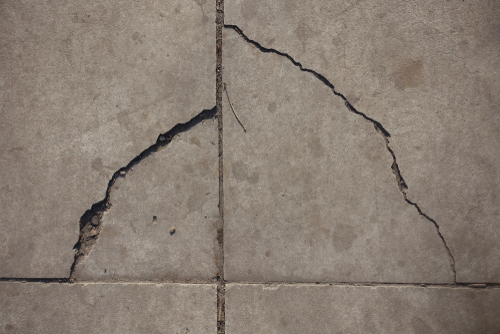
Cracks in concrete slabs are a common issue in both residential and commercial structures. While some cracks are minor, others may be a sign of structural weakness or environmental impact.
Proper slab crack repair is important to prevent water seeping inside, further damage, and reduced durability. Understanding the right concrete slab crack repair methods helps you maintain the strength of your foundation.
Why Do Cracks Form in Concrete Slabs?
Concrete naturally expands and contracts due to temperature changes. Over time, this movement can lead to cracking.
Other causes of cracks may be:
Poor curing
Extra water in the mix
Heavy loads
Settlement of soil under the slab
Moisture slipping inside
Corrosion of steel in slabs
Construction mistakes
Types of Cracks Found in Concrete Slabs
Before selecting a repair method, it is important to understand the type of crack.
1. Hairline Cracks:
These are thin cracks that appear during curing or minor shrinkage. They affect appearance more than strength.
2. Shrinkage Cracks:
These develop when concrete loses moisture during the curing stage.
3. Settlement Cracks:
When the soil below the slab moves or shrinks, wider cracks may form.
4. Structural Cracks:
These cracks are larger and may be a sign of load stress or reinforcement problems. Professional repair is needed for such cracks.
Common Slab Crack Repair Methods
Different techniques are used depending on crack size, depth, and cause.
1. Crack Filling:
For small and non-structural cracks.
Flexible fillers, sealants, or polymer-based materials are applied.
2. Epoxy Injection:
For narrow but deep cracks.
Epoxy resin is injected into the crack under pressure.
3. Routing and Sealing:
For long cracks in floors, pavements, and driveways.
Cracks are widened slightly using tools and filled with a sealant.
4. Stitching:
Used when the cracks show signs of movement
Holes are drilled on both sides of the crack, and metal staples are placed across it.
5. Slab Replacement:
Done when the damage is high or structural integrity is an issue.
- A section of the slab is replaced.
Protecting Your Structure with Timely Slab Crack Repair
Concrete cracks are common, but they should never be ignored. Slab crack repair helps maintain structural strength, prevents water damage, and increases the life of the slab. By choosing appropriate concrete slab crack repair methods and using proper slab crack filling techniques, you can address problems early and avoid major repairs later.