


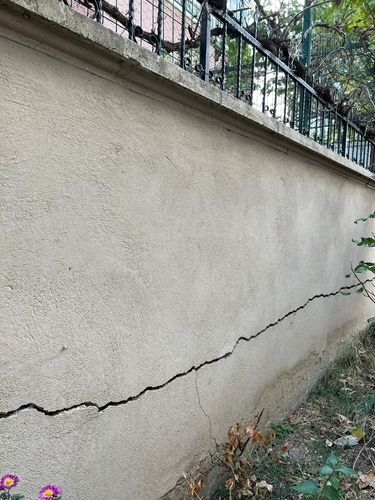
Common Causes of External Wall Cracks
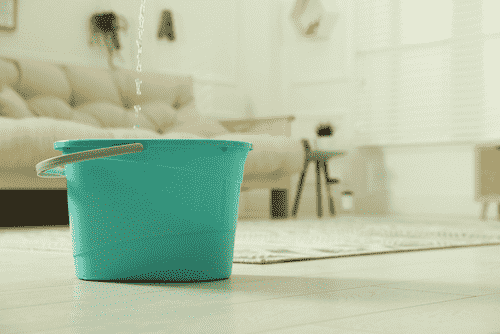
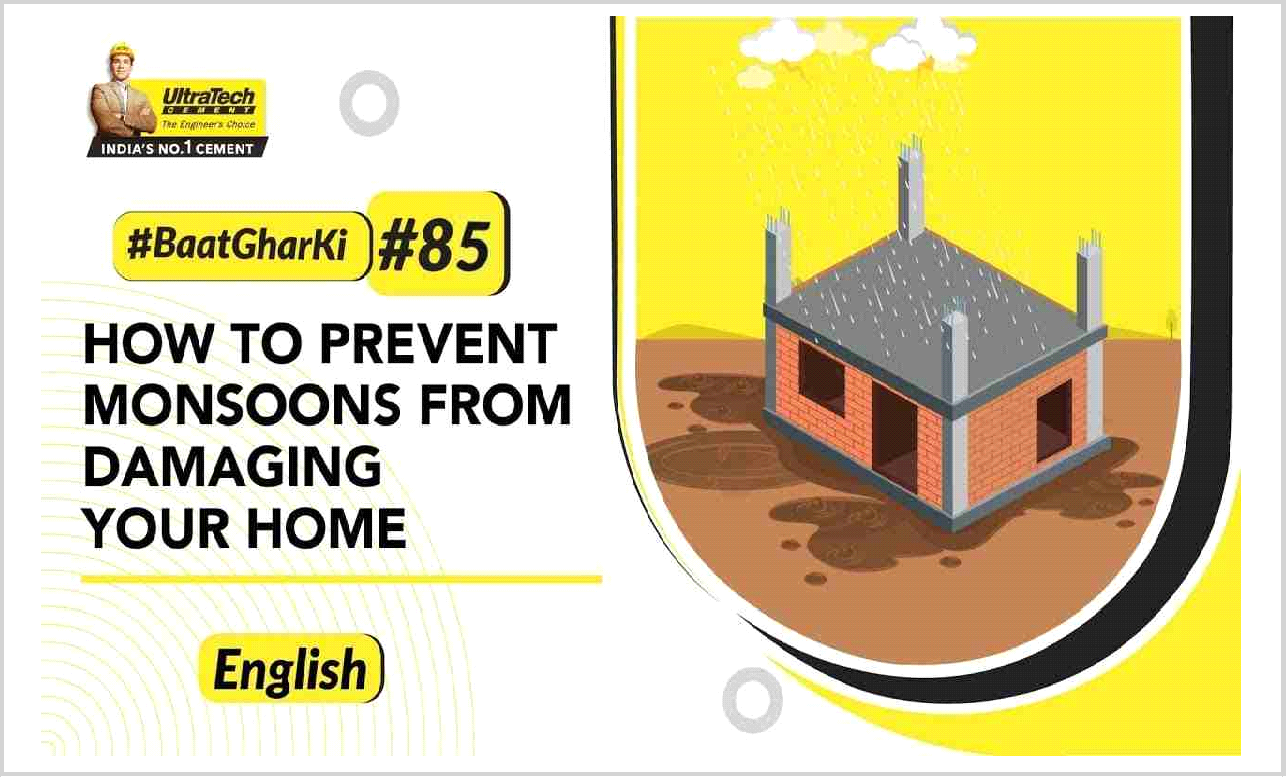
Outside walls face strong winds, heavy rain, and hot sun every day. Soil under the house shifts because of water or roots. This shift affects how well the wall grips the ground.
Walls grow bigger when they get hot and shrink when they cool down. These changes pull the walls apart over time.
Weak cement mixes soak up water very fast. Rain directly affects the base of the walls. All these things make external wall cracks grow bigger.
Quick Tip: Look at walls after big rains. Press to check for soft spots. |
Simple Repair for Exterior Wall Cracks
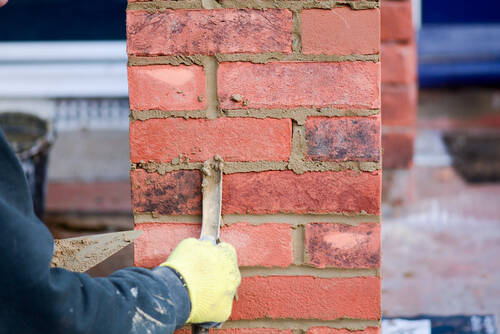
Exterior wall crack repair uses basic tools and materials. Anyone can do it at home with care.
1. Use a stiff brush to clear loose bits from the crack so the filler can hold tight.
2. Use a spray bottle or cloth to wet the crack with water so the new mix sticks well and does not fall out.
3. Use a trowel to add the filler deep inside and make the surface smooth and even.
4. Let it dry for one full day in the shade to set strong against rain.
This seals the crack and stops water from entering.
Handy Tip: Spread filler with a small tool, like cake icing. |
Waterproofing Methods to Seal Cracks
Waterproofing comes after repair. It adds a strong layer that keeps rain out for many years. You can choose from simple options that suit your walls.
1. Paint cement-based coats on walls. They mix easily with water and dry hard.
2. Use clear sprays that hide well and let the wall colour show through.
3. Apply thick paints that block heavy rain and wind-driven rain.
Put two layers on dry days when it's not raining.
Pro Tip: Test with a water hose after drying. Fix any wet spots quickly. |
Strong Walls All Year
Handle external wall cracks with quick action and good planning. Regular fixes keep dampness away. Walls get less damage from daily weather, and homes stay safe and dry for years.