


Share:
Home Building Guide
Our Products
Useful Tools
Home Building Guide
Products
Ultratech Building Products
Share:
• Proper storage of cement is essential to maintain strength and durability.
• Moisture is the biggest enemy of cement storage at sites.
• Correct storage of cement bags prevents wastage and financial loss.
• Follow proper stacking and rotation while storing cement at sites.
• Always check how long cement can be stored before using old stock.
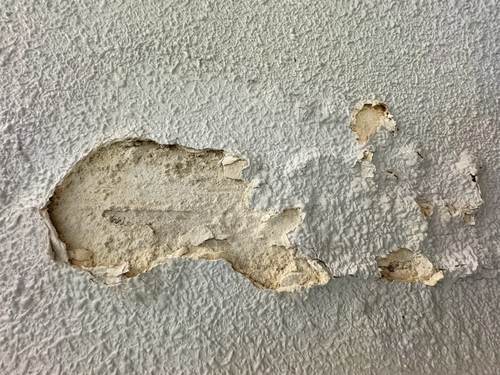
Cement reacts quickly with moisture in the air. If the storage of cement is poor, it starts absorbing moisture even before use. This reduces its binding strength and affects the quality of concrete and plaster.
Improper storing of cement at sites can lead to:
Reduced strength of concrete
Cracks in walls and slabs
Lumps forming in cement bags
Financial loss due to wastage
Many people ask, “How long can cement be stored?” Ideally, cement should be used within 3 months of manufacture for best performance. If properly stored, it may last up to 6 months, but its strength reduces over time.
Several external factors influence the quality of cement during storing of cement at sites. Knowing these factors helps you plan better and reduce risks during construction.
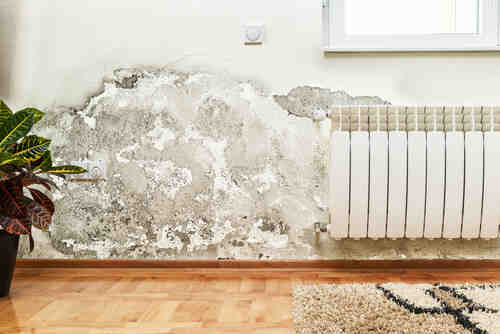
Moisture is the biggest risk in cement storage at sites. Even humidity in the air can damage cement. Cement bags must be kept dry at all times.
If you are wondering how to store cement for a long time, moisture control is the first priority.
Tip: Use plastic sheets or waterproof covers during the rainy season. |
Extreme temperature changes can cause condensation inside storage areas. This affects the storage of cement bags and weakens cement quality.
Tip: Maintain a stable indoor temperature for better storing of cement in the warehouse. |
Many people ask, “How long can cement be stored safely?” Cement should ideally be used within 90 days. Beyond that, strength may be reduced.
If storing for a longer duration, proper stacking and moisture control are critical.
Torn or damaged bags allow air and moisture to enter. This affects cement bag storage directly.
Tip: Reject bags that are already hard or lumpy at the time of delivery.
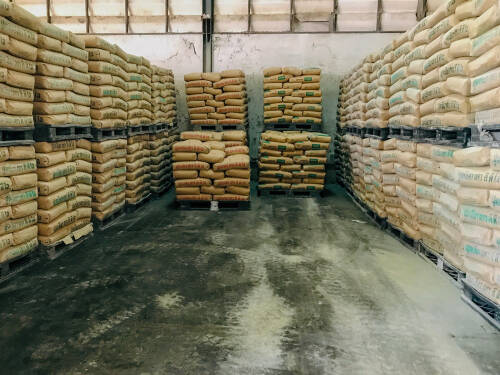
Choosing the right method for the storage of cement is very important to maintain strength and quality. While indoor storage is always preferred, some sites may need temporary outdoor arrangements.
Below is a detailed comparison to help you decide the best option for safe cement storage at sites.
Comparison Point | Indoor Storage | Outdoor Storage |
Ideal Location | A dry, covered godown or closed room with a leak-proof roof and damp-proof floor. | Open areas with temporary sheds made using waterproof sheets. Must be on raised platforms to avoid water contact. |
Floor Condition | Cement bags should be placed on wooden pallets or raised platforms, at least 150 mm above ground. | Requires a strong raised platform; direct floor contact must be avoided to protect the cement bag storage. |
Moisture Protection | Fully protected from rain, humidity, and groundwater, making it suitable for proper storage of cement bags. | High risk of moisture exposure. Needs a tight plastic covering from all sides. |
Temperature Stability | Indoor areas have more stable temperature conditions, reducing condensation. | Direct sunlight and temperature change can affect cement quality. |
Suitability Duration | Best for long-term storing of cement at sites. | Suitable only for short-term storage under proper protection. |
Indoor storage is always the safer option for storing cement on sites. Outdoor storage should only be used temporarily and must include full weather protection.
Proper storage of cement bags requires discipline and planning. Even high-quality cement can lose strength if handled carelessly. Below are important steps on how to store cement correctly at sites.
Always keep cement dry. Moisture control is the most important rule of cement bag storage. Cement absorbs moisture from the air very quickly, especially during the monsoon or in humid areas. Even slight dampness can start the setting process inside the bag.
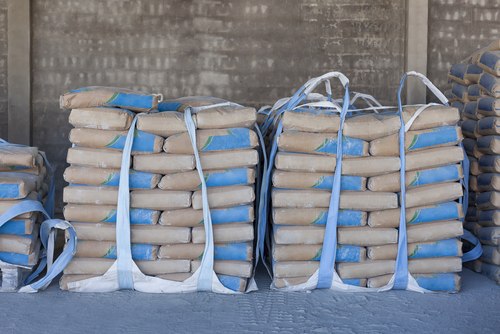
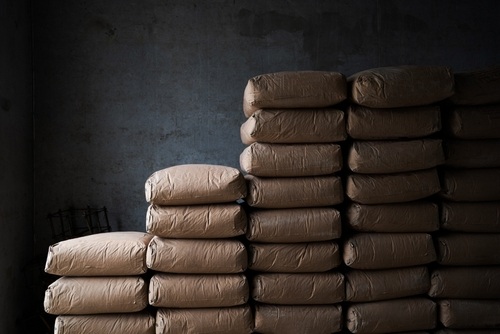
Stack bags in layers. Do not stack more than 10 bags high to avoid pressure damage. Correct stacking improves storing of cement at sites and prevents lumps. Leave a small gap between stacks and walls to allow air circulation. This reduces condensation and makes inspection easier.
Avoid throwing or dragging bags. Rough handling damages the packaging and affects the storage of cement. Damaged bags allow air and moisture to enter, which reduces cement strength over time.
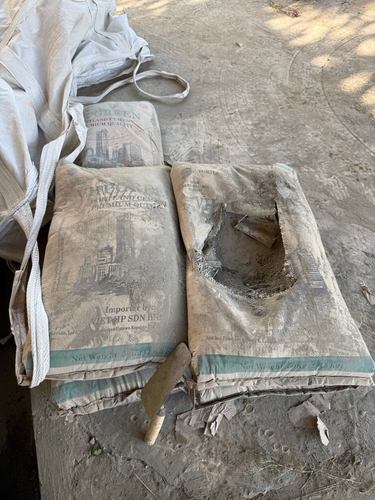
Hooks tear bags and allow moisture entry. This weakens cement bag storage safety. Even small holes created by hooks can cause cement to harden inside. Always lift bags manually or using proper equipment.
Keep different cement brands or batches separately while storing cement at sites. This helps you keep track of stock and ensure the correct order of use. Mixing batches may create confusion in quality control and affect construction consistency.
Older cement should always be used first to prevent strength loss. Cement has a limited shelf life, and long storage can reduce its binding ability. Proper rotation avoids wastage.
Many ask, “How to store cement once opened?” After opening, transfer cement to airtight containers and seal properly. Avoid long storage after opening. If left exposed, cement absorbs moisture from the air within hours and forms lumps. It is always better to use open cement within a few days.
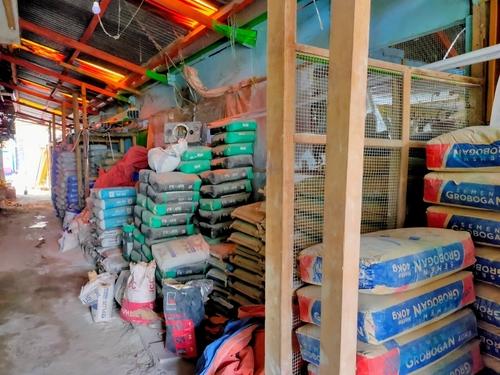
Many construction problems start with small storage errors. This section highlights common mistakes made during storing of cement at sites and how to avoid them.
Direct contact with the floor causes moisture absorption. Always raise stacks during cement storage at sites. Floors can absorb and retain ground moisture, especially in humid or rainy areas. This moisture slowly enters the bottom cement bags and forms hard lumps.
Tip: Use wooden pallets or plastic sheets while planning proper storage of cement.
Damaged bags spoil quickly. This affects the overall storage of cement bags. Small tears allow air and humidity to enter, reducing cement strength even before use. If ignored, it can affect the quality of plaster and concrete work.
Tip: Inspect every delivery carefully during cement bag storage and keep damaged bags separate immediately.
Leaving cement exposed damages its strength. Proper covering is essential in storing cement at sites. Rainwater or even overnight dew can start the setting process inside the bag. Once cement becomes lumpy, it cannot regain its original quality.
Tip: Always use waterproof covers and ensure proper roofing while planning how to store cement on site.
Proper storage of cement protects your building quality and budget. Whether it is storing cement in a warehouse or temporary cement storage at sites, careful planning ensures better strength and long life of structures.
The correct method of storage of cement includes keeping bags in dry indoor areas, stacking on raised platforms, and covering properly.
For how to store cement on site during rain, use waterproof covers, raise bags from the ground, and ensure no water leakage in the storage area.
Many ask, “How long can cement be stored?” Ideally, 3 months is best. Maximum storage can be up to 6 months if proper cement bag storage methods are followed.
When cement absorbs moisture, it forms lumps and loses strength. Improper storing of cement at sites leads to weak construction.
Cement should be stored in cool and dry conditions. Extreme heat and humidity affect the storage of cement bags.