


Share:
Home Building Guide
Our Products
Useful Tools
Home Building Guide
Products
Ultratech Building Products
Share:
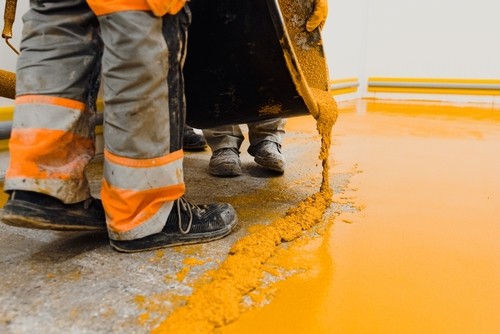
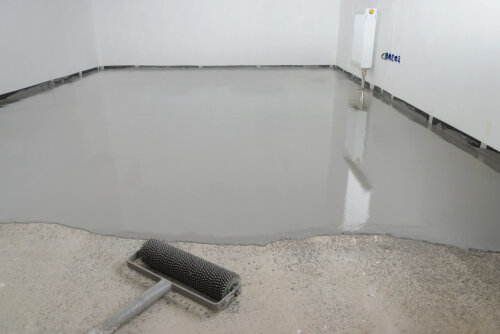
Epoxy flooring is a durable and customisable flooring solution that is created by combining two main components: epoxy resin and a hardener. If you’ve ever wondered what epoxy flooring is made of, this is the core: the epoxy resin acts as a binder, while the hardener provides strength and stability. When these two components are mixed together, a chemical reaction occurs, forming a firm and durable surface. This is why residential epoxy flooring has become popular for homes and modern interiors.
Let’s break down some of the key features and main benefits of epoxy flooring:
Epoxy flooring is strong and resistant to wear, making it ideal for high-traffic areas like garages, warehouses, and industrial floors.
It resists damage from oil, grease, cleaners, and other harsh chemicals, which helps maintain a clean surface.
With no joints or grout lines, epoxy creates a smooth, non-porous surface that’s easy to sweep, mop, and maintain.
Epoxy floors improve the look of any space with their high-gloss appearance and are available in various colours and decorative effects.
To understand what epoxy flooring is used for, we need to understand its various types. There are several types of epoxy flooring available, each with its unique benefits:
This type of epoxy flooring is highly durable and ideal for areas with heavy traffic and exposure to chemicals, such as warehouses and industrial facilities.
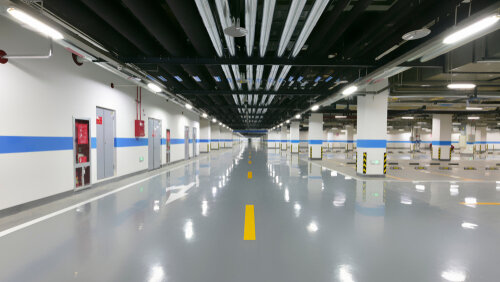
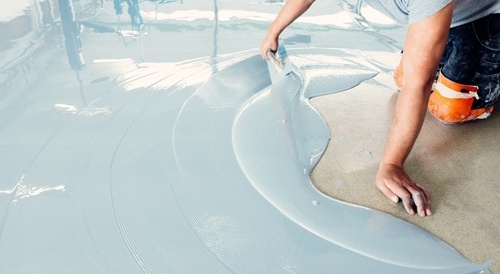
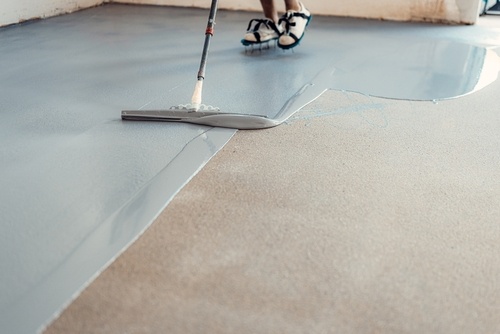
This epoxy flooring creates a smooth, seamless surface, making it perfect for uneven or damaged floors. It is commonly used in commercial epoxy floors in home applications, such as garages, showrooms, and kitchens.
These floors are made by combining epoxy resin with sand or other aggregates, creating a durable and impact-resistant surface. They are ideal for repairing damaged concrete floors and are used in industrial settings, such as manufacturing facilities and warehouses.
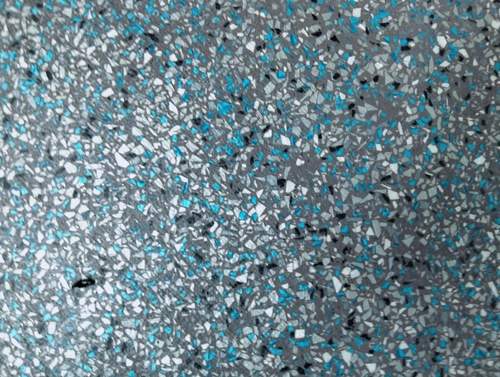
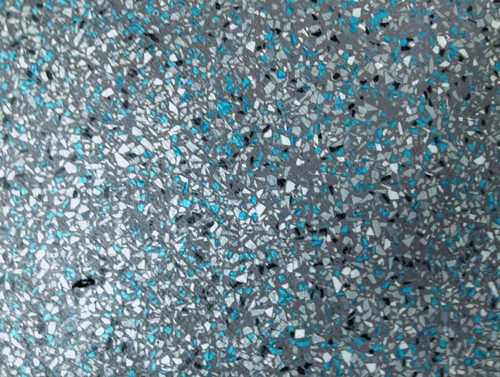
This type of epoxy flooring combines epoxy polymer resin with stained quartz granules, resulting in a decorative and durable surface. They are used in commercial and institutional settings, such as schools and hospitals, where aesthetics and slip resistance are important. Quartz-filled epoxy flooring offers a variety of design options, as the quartz granules can be customised to create unique colour combinations and patterns.
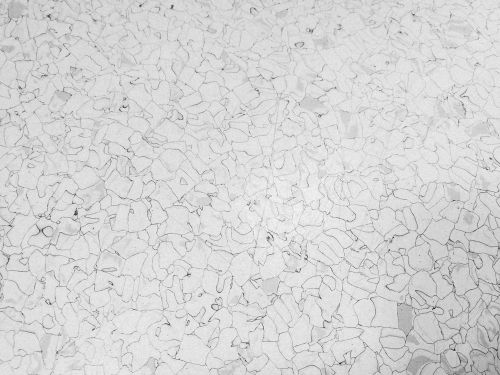
This flooring option is designed to reduce static electricity, making it ideal for environments with sensitive electronic equipment, such as data centres and laboratories. Anti-static epoxy flooring contains conductive materials that help dissipate static charges, protecting sensitive equipment and reducing the risk of electrostatic discharge (ESD) related accidents.
Epoxy flake flooring includes decorative flakes in the epoxy coating, creating a unique appearance. The decorative flakes are available in various sizes, colours, and materials, adding texture to the floor for enhanced slip resistance.
This type of epoxy flooring combines epoxy resin with marble or granite chips, creating a decorative and durable surface. Epoxy terrazzo flooring provides a low-maintenance surface that can be customised with various colours and patterns, making it a practical choice for high-traffic areas.
Epoxy vapour barrier floors address moisture issues in concrete foundations. These floors prevent the migration of moisture vapour, which can cause damage to the flooring system and compromise its adhesion. Epoxy vapour barrier floors are installed in basements, garages, and other areas where there is a concern about moisture seepage, which is particularly helpful when considering the pros and cons of epoxy basement floors.
This flooring option combines epoxy resin with decorative gravel, creating an attractive appearance. It is often used in outdoor applications, such as patios and walkways, as well as indoor spaces like lobbies and showrooms. Epoxy gravelled flooring offers excellent slip resistance and can be customised with various colours and patterns.
Here are the main benefits of epoxy flooring:
Epoxy floors are resistant to wear and tear, making them ideal for high-traffic areas.
Epoxy flooring can withstand exposure to various chemicals, making it perfect for industrial and commercial applications.
Epoxy floors are non-porous and easy to clean, requiring minimal maintenance.
The seamless, high-gloss surface of epoxy flooring creates a visually appealing appearance.
The longevity of epoxy flooring translates to long-term cost savings, making it a cost-effective option.
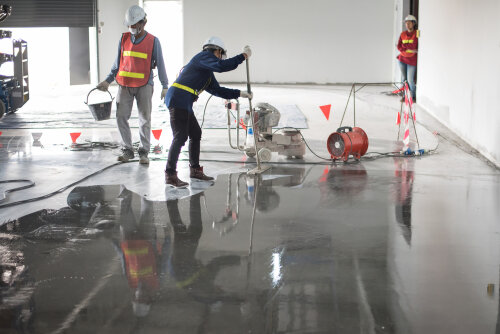
1. Complex Installation: Requires thorough surface preparation; any moisture or dust can cause poor adhesion.
2. Slippery When Wet: Unless a non-slip additive is used, the surface can be slippery and unsafe.
3. UV Sensitivity: Prolonged sun exposure may lead to discolouration or yellowing over time.
4. Difficult Repairs: Once damaged, fixing epoxy floors can be time-consuming and requires professional assistance.
Understanding both the pros and epoxy flooring disadvantages helps you make an informed decision.
If you're wondering what epoxy floor is suitable for, here are common uses:
1. Industrial Areas: Warehouses, factories, and workshops.
2. Commercial Spaces: Retail stores, showrooms, and offices.
3. Healthcare and Hospitality: Hospitals, clinics, commercial kitchens.
4. Residential Use: Garages, basements, and living spaces for a modern touch.
Several key factors determine how long epoxy floors will last:
1. Surface Preparation: Poor preparation can lead to early peeling or cracking.
2. Quality of Materials: Higher-grade epoxy resins offer longer life and better performance.
3. Foot and Vehicle Traffic: Heavy usage speeds up wear and tear.
4. Chemical Exposure: Frequent contact with harsh chemicals can degrade the surface.
5. Environmental Conditions: Humidity, moisture, and UV exposure affect durability.
6. Maintenance: Regular cleaning and timely spill management help preserve the finish.
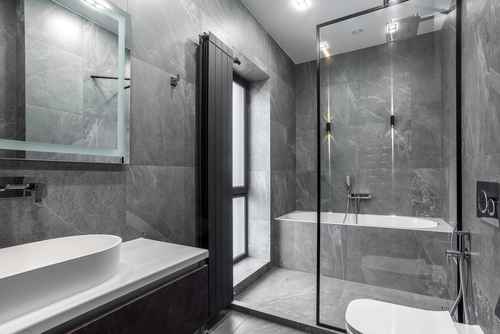
Epoxy flooring is becoming a stylish choice for modern homes. Many epoxy flooring for homes options now serve both beauty and function..
Popular Home Epoxy Floor Designs:
1. Metallic Epoxy: Offers a\ marbled look with shimmering effects, ideal for living rooms, hallways, or modern kitchens.
2. Flake Epoxy: Includes colourful chips for a textured, terrazzo-like appearance perfect for garages, basements, or utility areas.
3. Solid Colours: Clean, minimalist finishes in neutral or bold shades to match your interiors.
4. 3D Epoxy Designs: Advanced option that uses printed visuals (like ocean waves or nature patterns) sealed under a clear epoxy coat for a dramatic effect.
5. Matte or Glossy Finishes: Choose based on your aesthetic, gloss for a luxurious sheen, matte for a subtle appearance.
Selecting the right epoxy type depends on the area of use, level of traffic, and your desired look and durability. Here's a breakdown of the most common options:
This is the most durable and long-lasting epoxy flooring option. Made with pure epoxy resin and no water or solvents, it cures into a thick, high-performance surface. However, due to its fast curing time, professional application is recommended.
This type is easier to apply, making it a great choice for DIY projects. It contains water, resulting in a thinner formula that produces less odour during application.
Also known as epoxy-infused paint, this ready-to-use formula doesn’t require any mixing, making it the simplest option to apply. Although it offers limited durability, it works well in light-use areas.
You have only one chance to build your home, so every choice matters. Epoxy flooring is a strong, long-lasting, and easy-to-clean option for many homes and workplaces.
By understanding the benefits, the types, and what to look for before installing, you can make a smart and confident choice. If you take the time to pick the right option, your floor will support you for a long time.
Epoxy flooring is a versatile, durable, and attractive solution for a wide range of applications. By understanding what is epoxy flooring, the types of epoxy flooring available and the benefits of epoxy flooring, you can make an informed decision when selecting the ideal option for your needs. Whether you require a durable surface or a decorative finish, you can use epoxy flooring for home use or industrial use. If you're interested in further expanding your knowledge in the world of flooring, we recommend checking out the informative video titled "How to Do Floor Screeding".
Epoxy flooring is used in industrial, commercial, and residential spaces like warehouses, garages, hospitals, retail stores, and basements due to its durability, chemical resistance, and easy maintenance.
Epoxy floors are highly durable and, when installed correctly with proper maintenance, can last from 10 to 20 years or even longer, making them a cost-effective flooring solution.
While epoxy floors are tough and resistant to damage, they can crack if the concrete underneath shifts or if the surface wasn’t prepared well before application, so appropriate installation is crucial.
Yes, epoxy flooring for homes forms a non-porous barrier that prevents water and moisture penetration, making it ideal for areas prone to spills or dampness.
Epoxy flooring outperforms many traditional options by offering greater durability, resistance to chemicals and stains, and easier maintenance, which makes it a smarter choice for long-lasting, attractive floors.