


Share:
Home Building Guide
Our Products
Useful Tools
Home Building Guide
Products
Ultratech Building Products
Share:
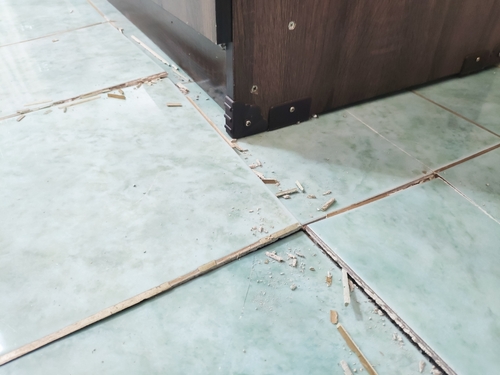
A loose floor tile can start with a small hollow sound under your feet. Over time, floor tile cracking and lifting can become more noticeable, with the tile eventually cracking, rising from the surface, or even popping out of place. Poor surface preparation, weak bonding, moisture, temperature changes, and installation mistakes can all play a role.
The good news is that loose tiles often give you warning signs first. If you spot them early, you can identify the cause and plan the right repair.
Is This Your Problem? |
Check these three signs:
If you answered yes to any one, don't ignore it. |
A loose tile usually points to a problem with the bond, surface, or floor movement. Finding the cause first can help you choose the right fix.
Think about what happens when you step on a tile every day. It needs a good bond with the surface underneath to stay firmly in place. Dust, dirt, an uneven base, or poor surface preparation can weaken that bond. Too little adhesive beneath the tile can also leave gaps.
That's when you may start hearing a hollow sound or notice the tile moving slightly under your foot.
So, before blaming the tile, look underneath it.
A loose tile is often a symptom, not the whole problem. |
The part most people don't checkBefore replacing a loose tile, check the surface underneath it. A weak or uneven base can cause the new tile to loosen again. |
Your floor goes through small changes as temperatures rise and fall. Tiles and the surface below them can respond differently to these changes.
Without enough room for this movement, stress can build across the tiled surface. Over time, that stress may contribute to cracks, lifting, or tile popping. This can become more noticeable in areas exposed to strong sunlight or large temperature changes and structural movement.
The right tile adhesive depends on the tile, surface, and installation area. A product suitable for one type of tile may not suit another application.
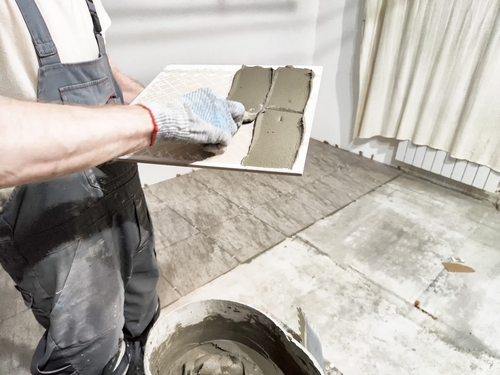
Application also matters. The surface should be prepared correctly, and the adhesive should cover the required area evenly. For example, large-format tiles need careful installation to achieve proper contact with the adhesive and proper adhesive thickness and back buttering of tile adhesive if needed. Gaps beneath the tile can create weak spots that may show up later as loose or hollow areas.
Tile popping happens when tiles lift, buckle, or come away from their original position. It can happen due to installation issues, moisture, movement, temperature variations, or structural movements either happening in isolation or simultaneously.
Tiles need planned joints to accommodate small movements in the floor. These joints create space for the tiled surface to adjust as conditions change. Without suitable joints, movement can put pressure on the tiles. That pressure may contribute to cracks, lifting, or tile popping.
The exact joint requirements depend on the floor layout, tile type, area, and installation conditions. Your tile installer should plan them accordingly.
A properly installed floor can handle normal household use. But heavy loads or strong impact can put extra stress on tiles that already have weak spots. A dropped heavy object can crack a tile. Repeated loads can also expose weaknesses in the bond beneath it.
A small warning worth checkingA cracked tile isn't always just a tile problem. Check whether nearby tiles sound hollow or feel loose too. |
What you notice | What it may indicate | What to do |
Slight hollow sound | Possible gap beneath the tile | Inspect the tile and base |
Tile moves slightly | Weak bond or loose installation | Avoid ignoring the movement |
Visible crack | Impact, stress, or tile-related issue | Check surrounding tiles |
Raised tile edges | Movement or tile popping | Keep the area clear and inspect |
Multiple tiles lifting | Wider installation issue | Get the area assessed |
Fixing loose floor tiles starts with finding the cause and then repairing the affected area. Follow these steps to avoid simply covering up the problem.
Inspect the loose tile and the surrounding area. Check for cracks, dampness, hollow sounds, an uneven base, or signs of movement.
If several tiles are loose, the problem may go beyond one tile. In such cases, have a qualified tile installer assess the floor.
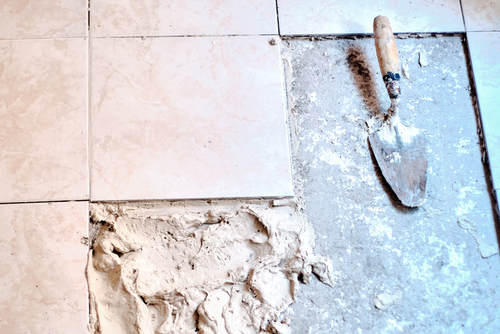
Remove the tile without damaging the surface underneath. Clear away old adhesive, dust, and any loose material.
Don't install a new tile over a weak or damaged base.
Make sure the surface is clean, sound, and suitable for the new tile. Address any cracks, dampness, or uneven areas before continuing. This gives the new tile a better surface to bond with.
Select a tile adhesive based on the tile type, surface, size, and installation area. Wet areas and larger tiles may need specific adhesive solutions.
UltraTech Tilefixo offers tile adhesive solutions for different tile types and applications.
Apply the chosen adhesive according to the product instructions. Make sure the tile sits properly on the prepared surface with evenly applied & uniform thikness of adheshive.
Your tile installer should follow the recommended application method to achieve suitable adhesive coverage.
Before You Start |
Tile adhesive and epoxy grout do different jobs. Tile adhesive bonds the tile to the surface. Epoxy grout fills the joints between tiles. So, epoxy for tiles isn't a substitute for tile adhesive beneath a loose tile. |
This is one of the most common mix-ups when fixing or planning a tiled floor, so it's worth spelling out clearly.
Tile adhesive is what holds the tile to the floor or wall underneath it; it's doing the structural work. If a tile is loose, hollow-sounding, or lifting, the adhesive is almost always where the problem started.
Epoxy Grout for tiles, on the other hand, is used in the joints between tiles, not underneath them. Epoxy grout fills and protects those joints, resisting water from entering below the tile and stains, especially in wet areas like bathrooms, kitchens, and balconies. It won't fix a loose tile, but it does protect the tile joint lines around tiles that are already well bonded.
You've fixed the loose tile. Now comes the part that matters: how do you stop yourself from dealing with the same problem again?
A few choices during installation, along with regular checks, can help reduce the chances of loose tiles returning.
Your tiles need a clean and suitable surface to bond properly. Dust, loose particles, or uneven areas can affect how well the adhesive grips the floor. Before laying the tiles, your installer should clean the surface and fix uneven or damaged areas. A well-prepared base gives your tiles a better start.
Tiles shouldn't always sit tightly against each other. Small gaps between tiles give the flooring some room to handle natural movement. These gaps are later filled with grout. Your installer should choose the right gap based on the tile and installation area.
One small detail that matters |
Those lines between your tiles aren't just for looks. They give the tiled surface some room to handle movement. |
Bathrooms, kitchens, balconies, and other wet areas need extra attention. Leaks, damaged grout, or constant dampness can allow water to reach areas beneath the tiles. Check for leaking pipes and damaged joints regularly. If an area stays damp for long periods, find and fix the source instead of simply replacing the affected tile.
If water keeps coming back, replacing the tile won't solve the real problem.
The right adhesive depends on your tile, surface, and installation area. Choosing a suitable product can help create a proper bond between the tile and base.
UltraTech Tilefixo offers tile adhesive solutions for different tile types and applications.
If you're looking at the joints between your tiles, that's where grout comes in.
Epoxy grout fills these joints and can provide resistance against water and stains. It doesn't replace the adhesive beneath the tile.
UltraTech Tilefixo Style Epoxy Grout is designed for filling tile and marble joints.
Think of it this way: adhesive holds the tile down; grout fills the space between tiles.
A loose tile can be easy to dismiss. After all, it's just one tile. But that hollow sound, slight movement, or raised edge can be your early warning. Take a closer look, find the cause, and fix the underlying issue rather than only replacing what you can see.
With the right surface preparation, suitable adhesive, correct adhesive thickness, proper tile gaps, and regular moisture checks, you can give your tiled floor a better chance of staying firmly in place.
Check for hollow-sounding tiles.
Look for cracks or raised edges.
Check wet areas for leaks or persistent dampness.
Make sure the adhesive suits your tile and surface.
Ask your installer about suitable gaps between tiles.
Check nearby tiles if one tile becomes loose.
Your floor often tells you when something needs attention. Listen early, and you may save yourself a bigger repair later.
Floor tiles may crack or lift because of weak bonding, uneven surfaces, moisture, temperature changes, structural movement, impact, or installation issues. If several tiles show similar signs, inspect the wider floor area.
First, identify why the tile became loose. Remove it carefully, prepare the underlying surface, and reinstall it with a tile adhesive suited to the tile and installation area.
Epoxy grout generally isn't a replacement for tile adhesive beneath a loose tile. Epoxy for tiles is mainly used to fill and protect the joints between tiles.
Water can contribute to tile problems when it reaches areas beneath or around the tiles. Leaks, damaged joints, and persistent dampness can increase the risk of loose tiles.
Start with proper surface preparation and suitable tile adhesives & its thickness. Your installer should also plan suitable tile joints and address moisture or movement issues in the installation area.