What Is a Circuit Breaker and How It Works
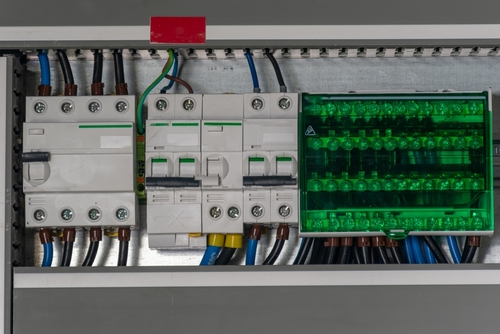
A circuit breaker is an electrical switch designed to protect circuits by stopping the flow of electricity during faults. When excess current flows, the breaker trips, interrupting the circuit and preventing overheating or electrical fires.
How Circuit Breakers Prevent Electrical Overloads
Circuit breakers detect abnormal current and quickly disconnect the circuit, preventing overheating and potential hazards like fires or equipment damage.
Importance of Installing Circuit Breakers in Homes
Installing circuit breakers is essential for electrical safety in homes, as they prevent overloads, protect appliances, and reduce the risk of electrical accidents.
Types of Circuit Breakers Used in Building Construction
Circuit breakers come in various types, each suited for specific applications.
1. Miniature Circuit Breaker (MCB): Protects home and small business circuits from overloads and short circuits.
2. Molded Case Circuit Breaker (MCCB): Handles higher currents in commercial and industrial systems.
3. Residual Current Circuit Breaker (RCCB): Prevents earth leakage in wet areas.
4. Ground Fault Circuit Interrupter (GFCI): Prevents shocks in bathrooms and kitchens.
5. Air Circuit Breaker (ACB): For high-current industrial and commercial installations.
6. Vacuum Circuit Breaker (VCB): Used in medium-voltage industrial systems.
7. SF6 Circuit Breaker: For high-voltage power transmission networks.
FAQ
1. How do circuit breakers protect electrical systems?
They stop excessive current flow, preventing overheating and electrical hazards.
2. What types of circuit breakers are used for home wiring?
Miniature Circuit Breakers (MCBs) and Ground Fault Circuit Interrupters (GFCIs) are commonly used in homes.






.jpg)