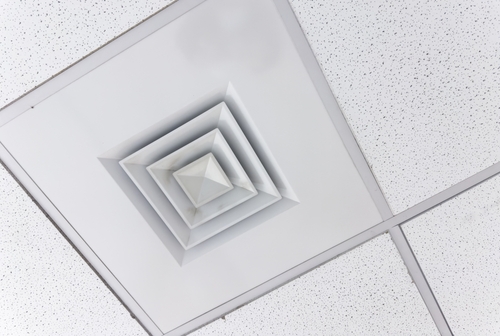
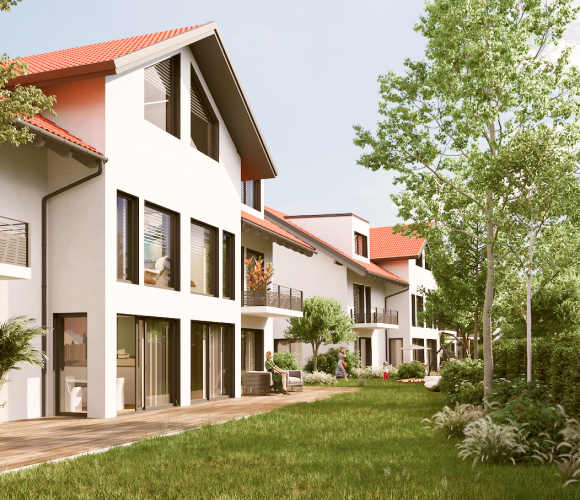
Cross ventilation refers to the natural movement of air through a space. It is typically achieved by placing openings such as windows, doors, or vents on opposite sides of a room or structure. This setup allows fresh outdoor air to enter from one side and pushes out stale indoor air from the other, promoting a steady airflow throughout the building.
Understanding the meaning of cross ventilation is crucial for any builder or homeowner aiming to improve indoor air quality, thermal comfort, and energy efficiency.
Benefits of Cross Ventilation
The benefits of cross ventilation extend beyond just comfort; it plays a major role in creating a healthier, more sustainable home environment. Key advantages include:
1. Improved Air Quality: Continuously replaces stale air with fresh outdoor air, reducing indoor pollutants.
2. Lower Indoor Temperatures: Helps cool rooms naturally by pushing out warm air, reducing reliance on fans or AC.
3. Humidity Control: Aids in maintaining balanced indoor humidity levels, especially in kitchens and bathrooms.
4. Energy Efficiency: Reduces the need for artificial cooling, resulting in lower electricity bills.
5. Enhanced Comfort: Creates a breezy and pleasant indoor environment, ideal for tropical or warm climates.
Why Every Homebuilder Should Prioritise Cross Ventilation
In today’s construction landscape, cross ventilation isn’t just a design trend; it’s a necessity for modern, sustainable living. Integrating cross ventilation into the blueprint is a strategic move for homebuilders that delivers long-term comfort and cost savings.
Here’s why it should be a core part of your building plan:
1. Better Living Experience
Cross ventilation naturally cools your home, making it more comfortable in every season, especially in India’s warm climate.
2. Healthier Homes
Continuous airflow reduces moisture buildup, discourages mould, and brings in clean, breathable air, crucial for family well-being.
3. Lower Energy Bills
By reducing the need for artificial cooling, homeowners enjoy lower monthly electricity costs without compromising on comfort.
4. Smarter Investment
Homes built with thoughtful ventilation attract higher resale value and align with green building standards.