Capping is a small but important construction detail that plays a big role in protecting buildings. It is commonly used on walls, columns, parapets, and boundaries to improve durability and appearance.
What is Capping
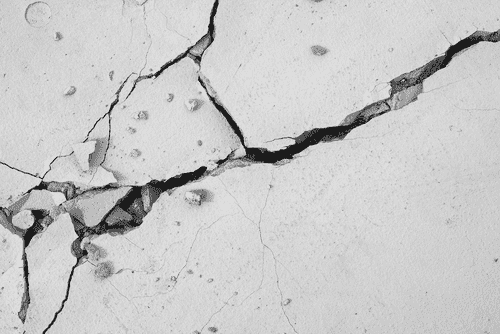
What is capping? Capping refers to a protective layer or covering applied to the tops of walls, columns, or other structures. This top layer shields the surface from rainwater, heat, dust, and external damage. Without capping, water can seep into walls and cause cracks, dampness, and long-term structural issues.
Capping can be made using concrete, stone, metal, tiles, or precast materials. The main purpose of capping is to seal the exposed top surface and improve the life of the structure.
Capping in Construction
Capping in construction is used in residential, commercial, and boundary structures. It is commonly seen on compound walls, terrace parapets, roof edges, and pillar tops. Capping in construction focuses on preventing water penetration and reducing weather-related damage.
Proper capping also improves the appearance of buildings. It gives a neat finish and helps maintain alignment and symmetry. When done correctly, capping reduces maintenance costs and protects plaster and paint from early damage.
Types of Capping
There are different types of capping used based on location and purpose.
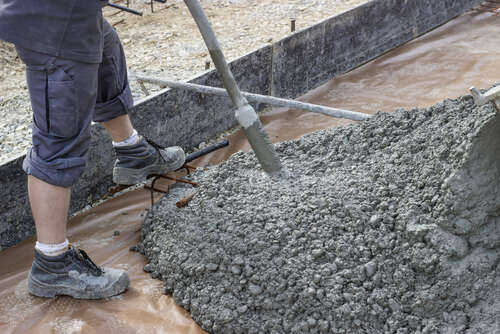
Concrete capping is widely used for its strength and long life.
Stone capping offers a premium look and is used in boundary walls.
Metal capping is used where lightweight protection is needed, especially on industrial structures.
Tile capping is common in residential buildings for decorative finishing.
Summary
Capping is an important construction element that protects walls and structures from water and weather damage. Understanding what capping is, its role in construction, and the different types of capping helps ensure longer-lasting and low-maintenance buildings.