


Share:
Home Building Guide
Our Products
Useful Tools
Home Building Guide
Products
Share:
A Partition wall is a non-load-bearing wall used to divide internal spaces.
Understanding what a partition wall is helps in better space planning.
There are many types of partition walls based on material and function.
The right wall partition materials depend on the budget and purpose.
Choosing proper partition material for the home improves durability and comfort.
To understand a partition wall, it’s important to know that it does not support the building structure. Unlike load-bearing walls, a Partition wall only divides space. The Partition wall is related to separation, privacy and layout planning.
In homes, these walls are built using various wall partition materials, such as bricks, gypsum boards, wood, glass, or PVC. The thickness and height depend on the room requirements.
Each type of partition wall offers unique advantages based on material, durability, and intended use. Below are the most commonly used options to help you choose the right fit for your space.
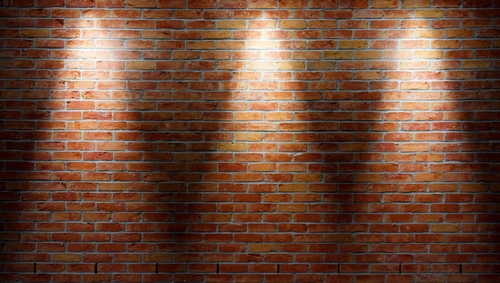
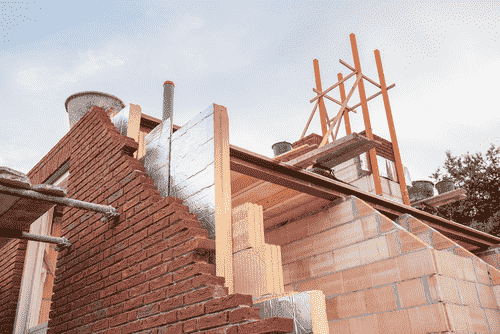
Brick walls are traditional types of partition walls. They are strong and durable. These are built using bricks and cement mortar, making them solid and long-lasting.
Among all partition wall types, brick walls provide good sound insulation. However, they are heavier compared to other wall partition materials. This partition material for the home is suitable for permanent division.
Tip: Ensure proper curing after construction to prevent cracks and improve long-term strength.
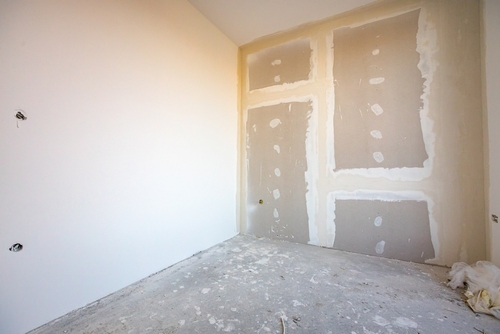
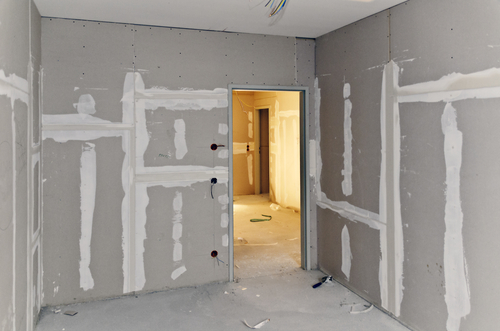
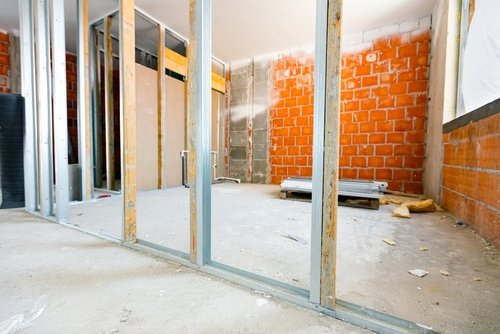
Drywall is one of the modern types of partition walls. It is made using gypsum boards fixed on metal frames.
These partition wall types are lightweight and quick to install. Drywall is a popular partition material for homes, bedrooms, and offices. It is cost-effective and easy to repair.
Tip: Use moisture-resistant drywall boards in kitchens and bathrooms to prevent swelling and damage.
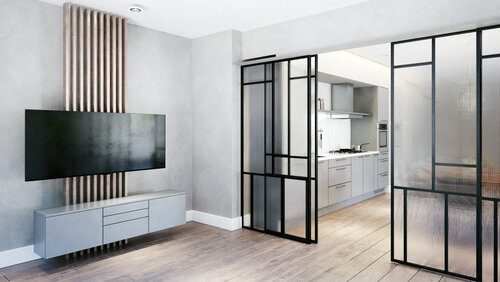
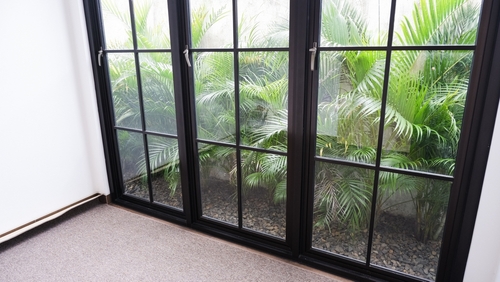
Glass is a stylish option among partition wall types. It allows light to pass through and makes small spaces look bigger.
These types of partition walls are commonly used in offices but also suit modern homes. Toughened glass is preferred as a safe partition material for home.
Tip: You can go for frosted or textured glass when you need privacy without blocking natural light.
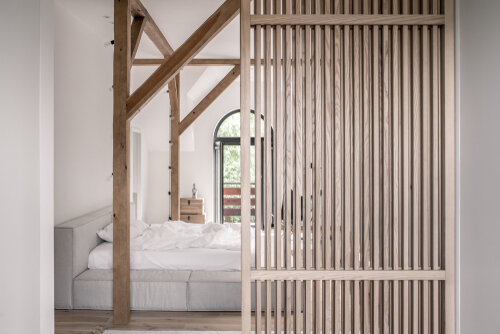
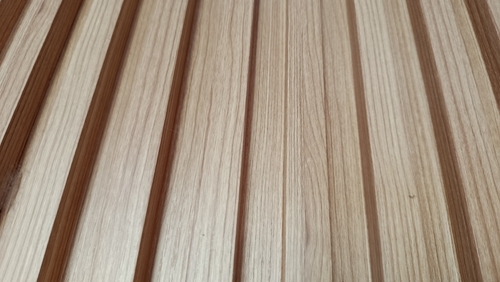
Wood is a traditional and attractive partition material for home. Wooden types of partition walls add warmth to interiors.
Among different wall partition materials, wood gives a natural look but needs maintenance.
Tip: Treat wood with anti-termite solutions to increase durability and prevent pest damage.
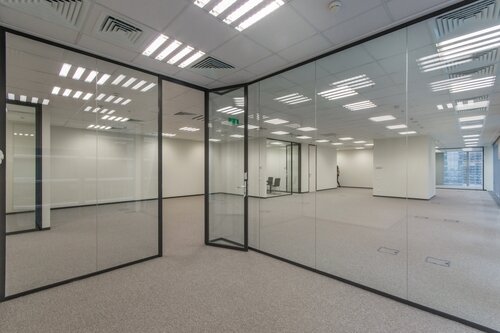
Aluminium frames with glass or board panels form these types of partition wall. They are lightweight and modern.
This partition material for home is mostly used in offices and shops.
Tip: Choose powder-coated aluminium frames to improve corrosion resistance and lifespan.
Gypsum boards are a widely used type of partition walls in modern construction. They are easy to install and smooth in finish.
These partition wall types are suitable for quick renovation projects.
Tip: Seal joints and edges properly to protect gypsum boards from moisture damage.
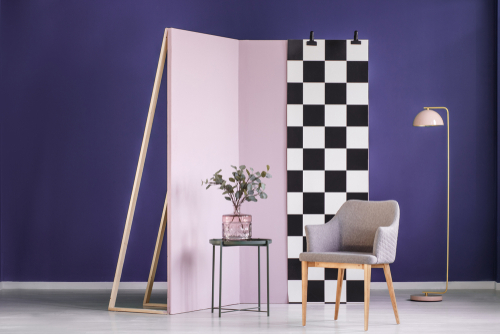
Movable type of partition wall can be shifted when needed. These are flexible types of partition walls used in halls and meeting rooms.
This partition material for home is useful in small houses where flexible space is required.
Tip: Install high-quality track systems to ensure smooth movement and long-term stability.
Bamboo is an eco-friendly partition material for home. These types of partition wall are lightweight and affordable.
They suit rural and semi-urban homes.
Tip: Apply protective coatings to bamboo surfaces to prevent moisture absorption and decay.
PVC is a cost-effective partition material for home. These are easy to clean and install.
PVC is commonly used in bathrooms and temporary spaces.
Tip: Avoid placing heavy loads on PVC partitions as they are designed for lightweight use.
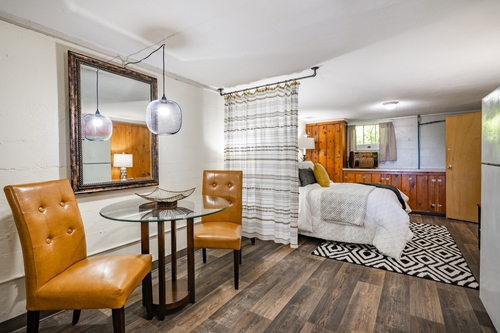
Curtains are temporary types of partition walls. They are affordable and flexible.
While not permanent, they work well as a quick partition solution in rented spaces.
Tip: Use thick, layered fabrics if you want to improve privacy and reduce light penetration.
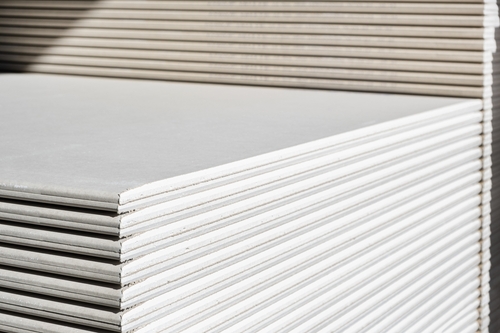
Plasterboard is similar to drywall and is one of the lightweight types of partition walls.
This partition material for home gives a smooth finish and is easy to paint.
Tip: Ensure proper joint finishing for crack-free partition wall surfaces.
Steel frames with boards form these strong partition wall types. They are durable and long-lasting.
Among wall partition materials, steel provides strength and fire resistance.
Tip: Use anti-rust coating for steel Partition wall systems.
Installing a partition wall offers many benefits in homes and offices. Once you Understand What is a partition wall it becomes easier for you to see how it improves functionality.
One of the biggest benefits of a partition wall is that it provides privacy without affecting the main structure of the building. Since it is a non-load-bearing wall, you can divide a large room into two smaller rooms without disturbing beams or columns. This makes it ideal for creating bedrooms, study areas or office cabins quickly and safely.
Most partition wall types are faster to install than traditional brick walls. Materials like gypsum board, drywall or PVC require less time and labour. This reduces construction mess and allows homeowners to complete renovation work quickly. It is especially useful when you want quick space division in a running home or office.
There are various partition wall types available, ranging from low-cost options like PVC and curtains to stronger options like brick and steel. This flexibility allows homeowners to choose according to their financial plan. Whether you want a temporary solution or a permanent structure, there is always a suitable option available.
Different wall partition materials serve different purposes. For example, glass allows natural light, wood gives a warm appearance, and gypsum provides a smooth finish. Because of this flexibility, you can select materials based on privacy, sound insulation, durability and design preference.
A well-designed partition wall helps organise unused or open areas effectively. Large halls can be divided into functional spaces like dining and living areas. In offices, it helps create separate cabins or meeting rooms. This improves the overall layout and makes the space more practical and comfortable.
A well-planned partition wall enhances comfort and usability. Choosing the right partition material for home ensures durability and a better layout.
Partition walls are widely used in homes, offices, and shops, making it easy to divide space based on need.
In many homes, especially in tier 3 and tier 4 cities, families need to divide large halls into smaller rooms. A partition wall helps convert one big space into separate bedrooms or divide a living room and dining area. Different partition wall types, like brick or gypsum, are used depending on whether the division is permanent or temporary.
In offices and small commercial spaces, a partition wall is commonly used to create cabins for staff or meeting rooms. Glass and aluminium partition wall types are popular because they give a professional look while allowing light to pass through. This helps maintain privacy without making the space feel closed.
Many homes prefer a semi-open kitchen. A partition wall made of glass, wood or even half-brick construction can separate the kitchen from the dining area. This controls cooking smells and noise while keeping the space connected. Choosing proper wall partition materials ensures durability in areas exposed to moisture and heat.
In growing families, children often need a quiet place to study. A partition wall can help create a small study corner within a bedroom or hall. Lightweight partition wall types like drywall or wooden panels are suitable for this purpose because they are easy to install and modify later.
For rented houses or temporary setups, people often avoid permanent construction. In such cases, movable or PVC partition wall types are useful. These options allow easy removal when shifting homes. Selecting suitable wall partition materials ensures that the installation does not damage the existing structure.
From residential homes to small businesses, partition wall types help organise space efficiently. Choosing proper wall partition materials ensures long-lasting results.
When planning or installing a partition wall, it is helpful to understand other wall-related topics as well. From structural support to finishing and maintenance, these related subjects give a complete understanding of construction and home improvement. Below is a detailed explanation of each related topic.
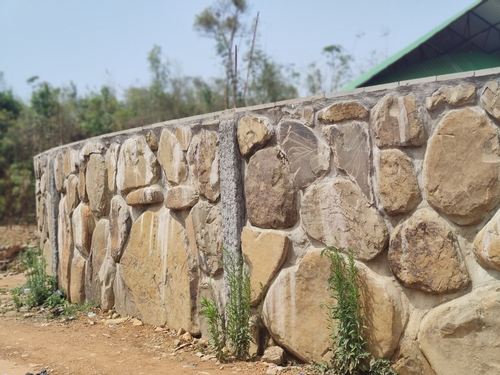
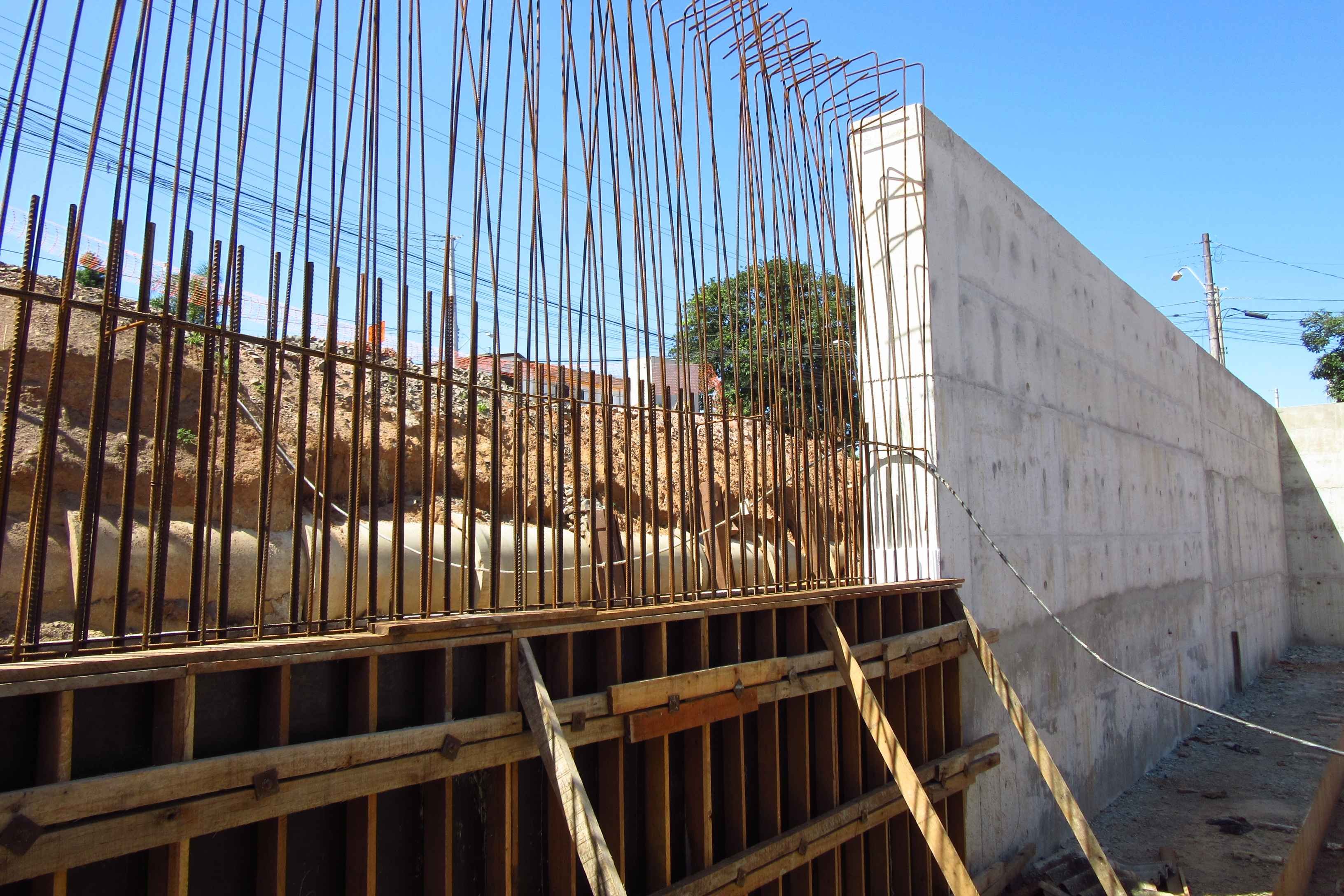
Retaining walls are very different from a partition wall. While a partition wall is mainly used to divide indoor space and is non-load bearing, a retaining wall is a structural element designed to hold back soil and prevent erosion.
This topic helps homeowners understand:
How retaining walls support soil on slopes and prevent land collapse.
Different construction designs used for strength and durability.
The importance of proper foundation and drainage systems.
Knowing the difference between structural walls and partition wall types prevents confusion during construction. Many people mix up load-bearing walls with simple partitions, which can lead to planning mistakes. Understanding structural wall systems ensures safe construction decisions.
After installing a partition wall, finishing becomes important. Step Proper painting improves appearance and protects the surface. Whether the wall is made of brick, drywall, or gypsum, using the right painting method ensures durability and a long-lasting finish.
This topic explains:
How to prepare new wall surfaces before painting.
The importance of using primer on gypsum and plasterboard
How to achieve a smooth finish without patches or uneven colour.
Tips for choosing paint suitable for different partition materials for the home.
For example, moisture-resistant paint is better for kitchen areas, while washable paint works well in children’s rooms. A well-painted partition wall improves the overall look, enhances durability, and makes maintenance easier.
Over time, small cracks may appear in walls due to temperature changes, natural settling or poor finishing. Partition walls are no exception and can develop cracks if not installed or maintained properly.
This topic helps you understand:
Common causes of cracks in brick and drywall walls
Step-by-step methods to repair minor surface cracks.
When to call a professional for structural issues.
Suitable fillers and repair materials for different wall types
For drywall or gypsum walls, cracks can usually be repaired using joint compound and sanding. For brick walls, cement-based fillers are commonly used. Regular inspection and timely repairs help keep your partition wall strong and visually appealing.
Selecting the correct partition wall depends on your space, budget and privacy needs. By understanding how different types of partition walls work, homeowners can make informed decisions.
From brick and drywall to glass and bamboo, each option serves a unique purpose. Choosing the right material improves both comfort and functionality.
A partition wall can be made from bricks, gypsum boards, wood, glass, PVC or steel.
A full-height partition wall extends from floor to ceiling and completely divides a room.
The thickness depends on the partition material for home used. Brick walls are thicker, while drywall are thinner.
The size of a partition wall depends on room dimensions and purpose.
The height of a partition wall depends on design and material strength. Professional guidance is recommended.