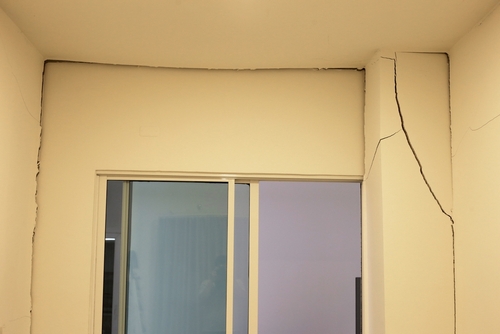
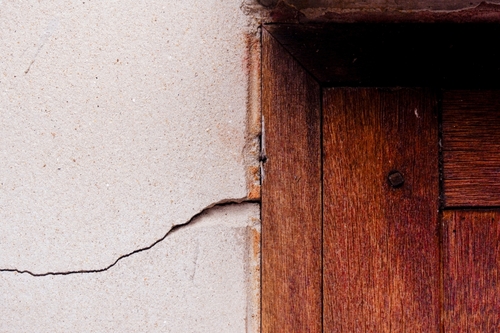
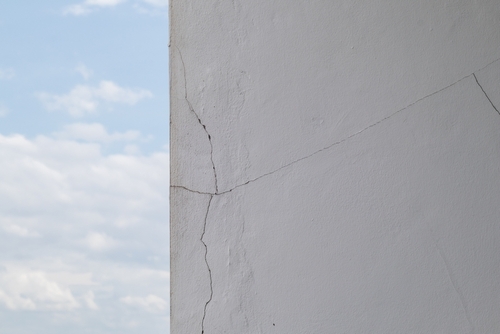
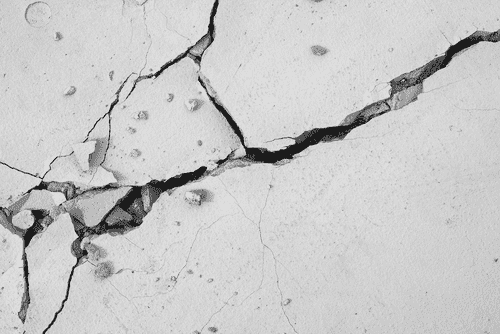
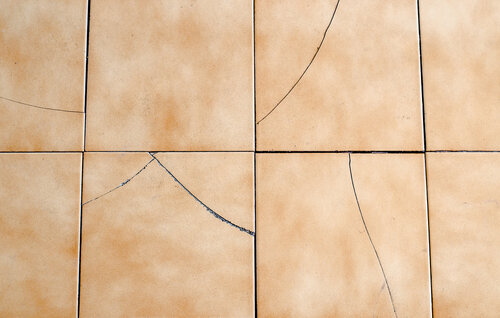
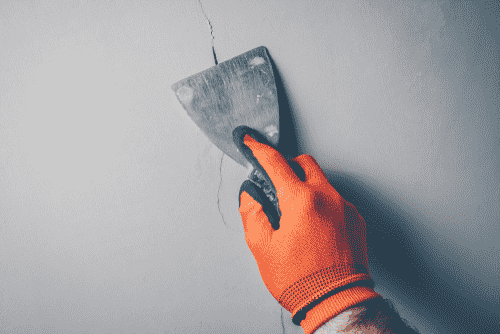
Non-structural wall cracks are common and usually not dangerous. These cracks only affect the surface plaster or paint.
They occur due to heat, moisture, plaster drying, or minor shrinkage in concrete. These cracks do not affect the building’s strength.
Signs of Non-Structural Cracks:
Very thin hairline cracks
Small cracks in plaster
Cracks that do not grow bigger
No change in door or window movement
These can usually be repaired easily with simple maintenance.
Difference Between Structural and Non-Structural Cracks
Here’s an easy table to understand the main differences between structural vs non structural cracks:
Point
| Structural Cracks
| Non-Structural Cracks
|
Risk Level
| Serious and unsafe
| Mostly safe
|
Crack Width
| Wide and deep
| Thin and small
|
Growth
| Keeps increasing
| Usually stable
|
Location
| Beams, columns, slabs
| Plaster and surface walls
|
Action Needed
| Immediate expert help
| Simple repair work
|
Why Early Action Is Important?
Small cracks can sometimes turn into big problems. Water can enter through cracks and damage the steel inside the concrete. This weakens the structure slowly.
Regular checking of walls, roofs, and beams can save money and stress later.
Check Today, Stay Secure Tomorrow
Knowing the different types of cracks in concrete helps you stay safe and confident. If the crack looks deep, wide, or growing, take it seriously.
If it is small and on the surface, a simple repair is enough. Stay alert, build strong, and maintain your home properly.