


Share:
Home Building Guide
Our Products
Useful Tools
Home Building Guide
Products
Ultratech Building Products
Share:
India has 15 main types of houses, from huts to eco homes.
Pick based on city, weather, and family size.
Traditional houses in India stay cool naturally, and modern ones save energy.
Materials like brick and cement build strong homes.
Homes come in many shapes and sizes across India. Some types suit busy cities, others work best in quiet villages or hilly areas. The right type keeps your family comfortable in every weather, safe from storms, and happy with enough space. City apartments save land in crowded places like Mumbai, while bungalows offer big gardens and fresh air for play.
Wrong choices often lead to high repair costs or daily discomfort. A house in hot Rajasthan needs thick stone walls to block the scorching sun, but Kerala homes are built high on stilts to escape floods and damp ground. Picking the best match for your area saves money on fixes and brings joy to your home every single day.
Tip: Think about your city, weather, and family size first. This guides you to the right house design types.
India offers an amazing variety in styles of homes and Indian home styles. Here are the main types of houses in India, explained simply.
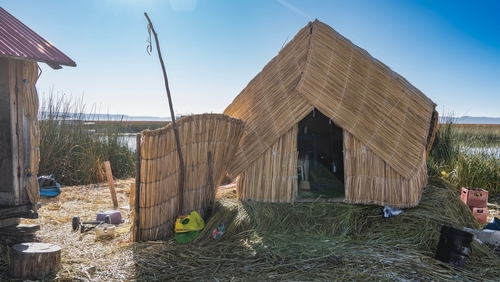
Simple homes made from mud, grass, thatch, or bamboo poles. They suit rural areas and hot climates across India. Open walls let air flow freely, keeping the insides cool without fans. Common in villages because they cost very little to build and use local materials.
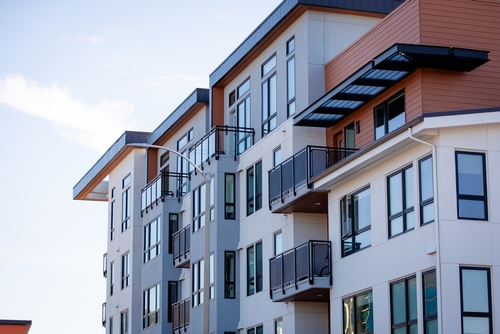
Tall buildings with many small flats stacked high. Perfect for crowded cities like Mumbai or Delhi, where land costs a lot. Families share walls and stairs but get 24-hour security, lifts, and parking spaces below.
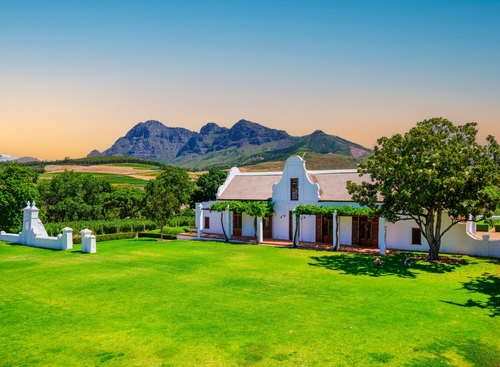
Single-storey homes with large gardens around them. They offer plenty of open space and full privacy from neighbours. Popular in the suburbs for families who want rooms for kids to play outside safely.
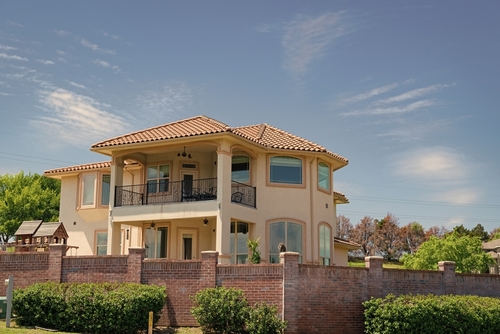
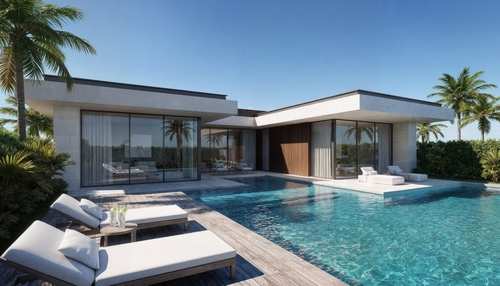
Big luxury houses with 2-3 floors and huge grounds. They often have extra guest rooms, swimming pools, and lawns. Best for wealthy families living in gated communities with club access.
Homes built right on farmland with fields and crops nearby. Used for weekend getaways from cities or full-time farming life. They mix comfortable living rooms with storage for tools and harvests.
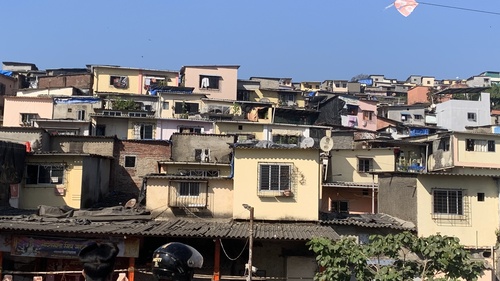
Old-style row homes were built for factory workers long ago. Found near Mumbai textile mills. Many families share common toilets and balconies, which build strong community bonds.
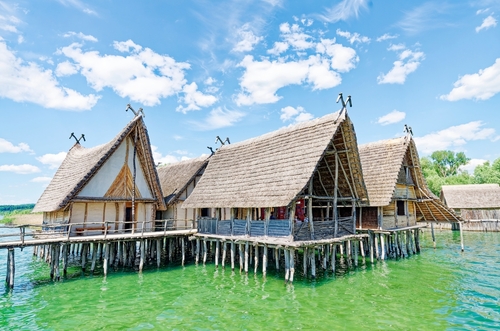
Homes raised high on strong wooden or concrete poles above ground level. Common in flood-prone areas such as Kerala and the Northeast. The ground floor stays dry for animals or storage during monsoons.
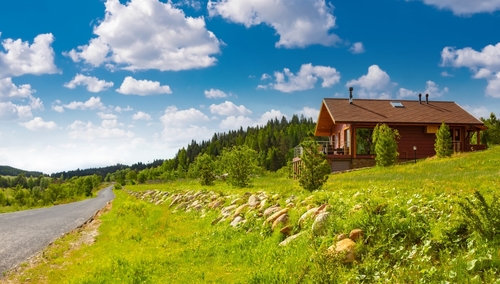
Small, cosy homes nestled in hill stations. Made of local wood, stone, or bricks with sloped roofs. Great for peaceful holidays in places like Ooty, Mussoorie, or Shimla.
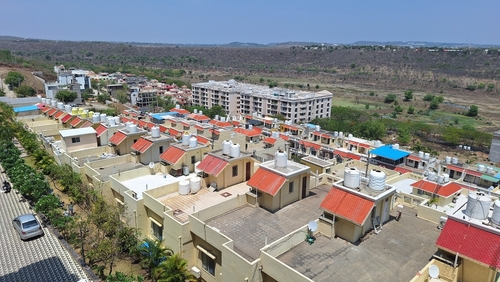
Homes joined together side by side in a straight line. They save space in growing towns and semi-urban areas. Each house has its own front door and backyard, but shares side walls with neighbours. Affordable for middle-class families.
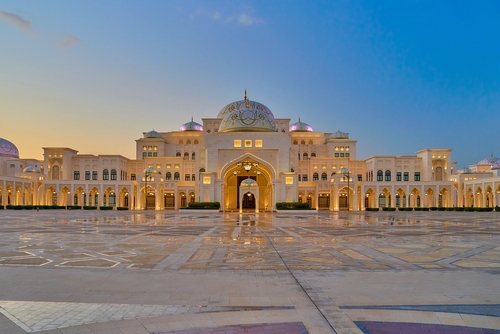
Grand stone homes built for kings and rulers centuries ago. Seen across places like Rajasthan with tall domes and carvings. Extra-thick walls block desert heat completely. Many now work in luxury hotels or museums.
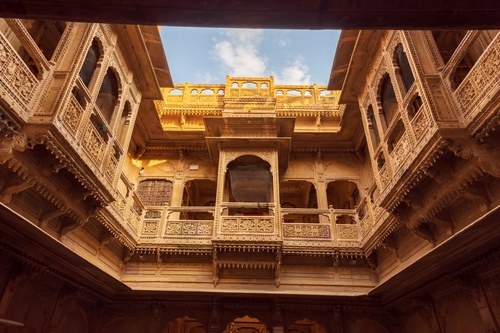
Big traditional houses in India with beautifully carved wooden doors and gates. Found in places like Gujarat, Rajasthan, and Madhya Pradesh. Inner courtyards trap cool air and give private family space away from streets.
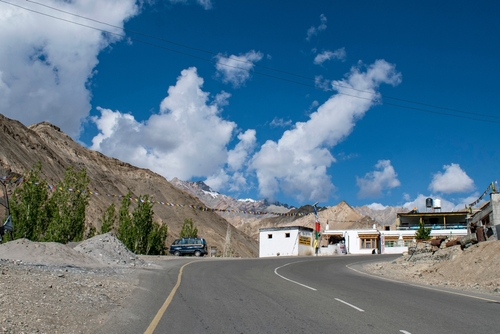
Stone and mud homes are built in the cold Himalayan region of Ladakh. Extra-thick walls trap heat from indoor fires all day. Flat roofs hold heavy winter snow and double as drying space in summer.
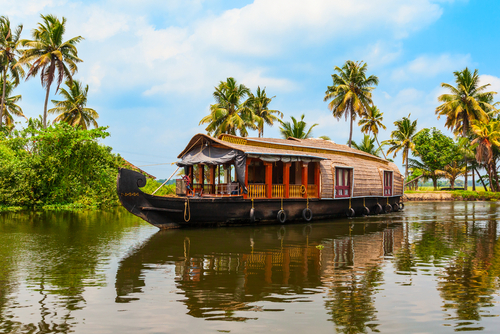
Floating wooden homes anchored on Dal Lake in Kashmir or backwaters. They have bedrooms, kitchens, and sitting areas inside. You can stay still for calm views or gently move across the water.
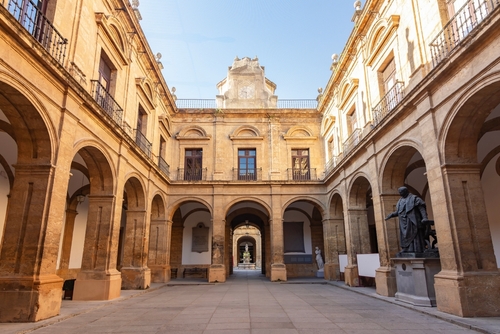
Traditional homes with an open yard right in the middle. Common in older parts of India for good lighting and airflow. High outer walls face the noisy street but keep inner peace.
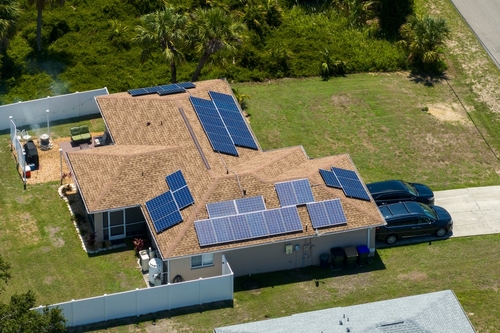
Modern green houses using solar panels, rainwater harvesting, and natural ventilation. They save electricity and water bills anywhere in India. Perfect choice for small modern houses in cities or villages.
Each type of house suits different parts of India and different families. Pick one that matches your weather, budget, and daily needs for a home you'll love for years.
Tip: Match house type to your region. Coastal areas need stilt houses, cities suit apartments. |
India offers many house design types, but the best one depends on your life. Here are the simple steps to pick the perfect match.
1. Match your family size to space needs. A small Indian house works well for young couples starting out with one bedroom. Big villas suit large families with kids and elders who need extra rooms and gardens.
2. Consider city life versus open areas. Cities like Mumbai need apartments or row houses in India to save land and costs. Suburbs allow bungalows with space for children to play safely outside.
3. Choose based on local weather and region. Hot areas like Rajasthan want courtyard houses for natural shade and cool air. Rainy Kerala picks stilt houses raised high to beat floods and damp ground.
4. Fit your budget to your house style. A budget under 50 lakhs suits small modern houses that save space and money. Go for bungalows with gardens or farmhouses for weekends if the budget is flexible.
5. Talk to builders early. Always discuss different house design types with builders. They show plans that match your dreams, land size, and local rules.
Tip: Visit sample homes or showflats. See how light enters rooms and space feels before you buy or build. |
Every type of house uses materials that match its style and location. Good materials fight the weather, last long, and keep costs low. Here is how they work for different kinds of houses.
Traditional Houses in India
Huts use bamboo poles, mud, and thatch roofs. These let air flow and stay cool in hot villages. Havelis and palaces have thick stone walls with lime plaster. This blocks desert heat in Rajasthan.
Urban and Modern Houses
Apartments, bungalows, and row houses in India need strong cement, bricks, and steel frames. These hold heavyweight safely in cities. Modern houses in India use concrete blocks and roof tiles for fast building.
Special Region Homes
Stilt houses and cottages rely on local wood for poles and walls. Ladakhi houses mix stone and mud to trap winter heat. Houseboats need waterproof cedar wood that floats well.
Eco-Friendly and Small Modern Houses
Green homes use recycled wood, mud blocks, and bamboo. They save energy with natural ventilation. Solar tiles and rainwater pipes cut bills anywhere.
Tip: Always use local materials. They cost less to buy and work best against your area's rain, heat, or cold. |
The right materials make any house strong and comfortable for your family.
Types of houses in India reflect our rich culture and clever ways to live comfortably. From simple huts that breathe in heat to stylish small modern houses that save energy, each style solves everyday challenges like scorching summers, heavy monsoons, or crowded cities.
Your home does more than provide shelter; it shapes family laughter around dinner tables, quiet evenings in courtyards, and memories that last for generations. Imagine waking up in a stilt house above Kerala floods or relaxing in a Rajasthan haveli’s cool shade.
Match your choice to local weather, family size, and budget, then watch it grow with you. Start talking to builders today. The right house design types turn dreams into a lifetime of comfort and pride.
Apartments and bungalows suit most cities with their space and security. Stilt houses work well in flood-prone areas like Kerala to keep homes dry. Havelis fit desert regions like Rajasthan with thick walls for shade. Always pick the style that best matches your local area and the weather best.
Apartments lead in big cities like Mumbai and Delhi due to land shortages. Bungalows and row houses in India fill up suburbs where families want gardens. Huts remain common in rural villages for their low cost and simple construction.
Villas stand alone on large plots with private gardens and multiple floors. A penthouse sits on the top floor of tall apartment buildings with wide terrace views. Villas offer more ground space, while penthouses give height and city sights.
A kutcha house uses mud, grass, or bamboo without any cement or bricks. It costs very little to build but lasts less than pucca houses made of strong brick and concrete. Common in villages but needs frequent repairs after rains.
Traditional houses in India include havelis, courtyard houses, chawls, and Ladakhi homes. They use local stone, wood, or mud to fight heat, cold, or floods naturally. These styles show smart building from past generations.