


Share:
Home Building Guide
Our Products
Useful Tools
Home Building Guide
Products
Ultratech Building Products
Share:
Cement is not made from one material. It is a combination of different natural materials mixed carefully. The two main components of cement are calcareous and argillaceous materials.
Calcareous materials are rich in calcium. They are the main source of lime in cement.
Examples include:
These materials provide calcium oxide, which gives strength to cement. Without calcareous materials, cement cannot bind properly. That is why limestone is the most important raw material for the manufacturing of cement.
Tip: Limestone quality directly affects cement strength. Using cement made from high-purity limestone improves bonding and long-term performance. |
Argillaceous materials contain silica, alumina, and iron oxide. These help cement with hardness and resistance.
Examples include:
These materials balance the chemical composition of cement and improve durability. Along with calcareous materials, they form the base of all cement raw materials.
Below is a clear explanation of the most important cement manufacturing raw materials used in cement plants.
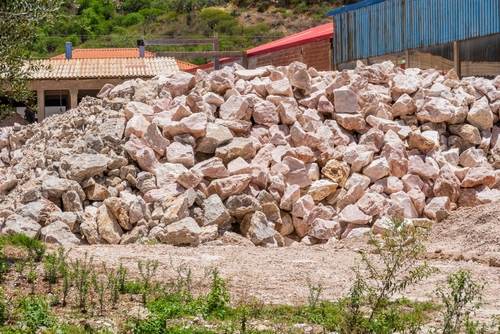
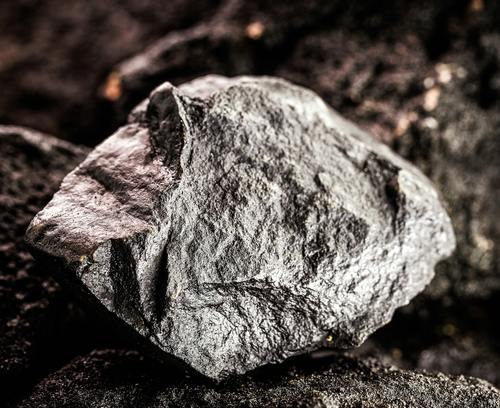
Limestone is the most important item in the cement raw materials list. It provides calcium carbonate, which later turns into calcium oxide.
Why is limestone important?
Gives strength to cement
Forms 60–65% of cement composition
Acts as the primary binding agent
This makes limestone the main raw material for making cement.
Tip: Cement with a higher calcium source gives stronger concrete. Always match cement grade with structural needs.
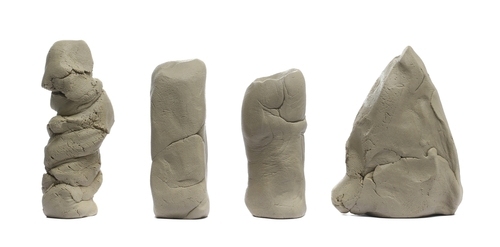
Clay or shale provides silica and alumina.
Its role includes:
Clay usually makes up around 15–20% of the cement raw materials percentage.
Gypsum is added during the final grinding stage.
Purpose of gypsum:
Controls the setting time
Prevents cement from hardening too fast
Improves workability
Though used in small quantities (about 3–5%), gypsum is a very important ingredient of cement.
Pozzolans include materials like fly ash and volcanic ash.
Benefits of pozzolans:
Improve durability
Reduce heat generation
Make cement more eco-friendly
Pozzolans are commonly used in modern cement production as raw materials, especially in India..
Iron ore helps in colour and strength.
Its function:
Acting as a flux (it helps materials melt smoothly)
Helping different materials fuse together properly
Making the final product harder and stronger
Iron ore is used in small quantities but plays an important role in raw material for the manufacturing of cement.
The cement manufacturing process is a step-by-step process in which cement raw materials are converted into finished cement.
Tip: Proper storage after manufacturing is as important as production. Keep cement bags dry to protect the raw material for making cement from moisture damage. |
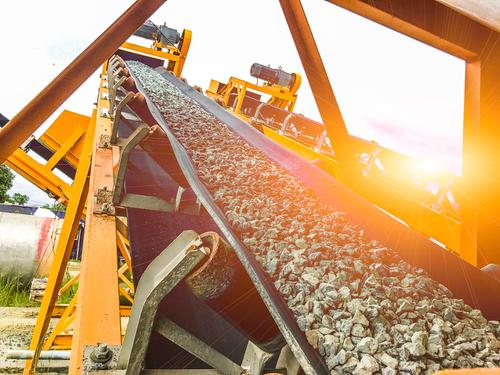
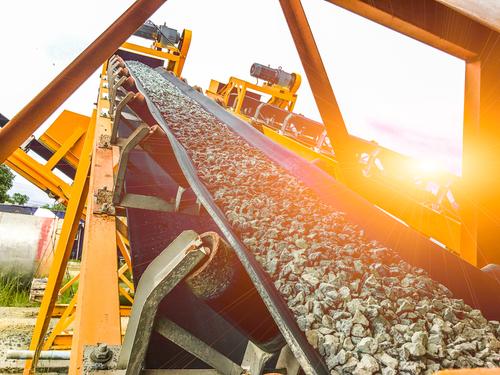
Limestone and clay are crushed into small pieces and ground into powder.
The powdered materials are mixed in the correct cement raw materials percentage to form a raw mix.
The mixed materials are heated at very high temperatures in a large rotating oven. This heat turns the mixture into small, hard lumps that are used in the next step.
The hot material is cooled quickly, so it keeps its strength and quality.
The cooled material is finely crushed and mixed with a small amount of gypsum to make cement.
This entire process converts raw material for making cement into usable cement for construction.
The quality of cement raw materials directly affects the strength, durability, and life of a structure. Even if the manufacturing process is advanced, poor-quality cement production raw materials can weaken the final product.
Each ingredient of cement must meet ideal chemical and physical standards. This is why cement manufacturers carefully test limestone, clay, gypsum, and other materials before use.
Tip: Always choose cement from brands that follow strict quality checks on their cement manufacturing raw material. |
The performance of cement depends on the correct percentage of cement raw materials used during production.
Typical composition includes:
This balanced mix of components of cement helps with smooth setting, good workability, and strong final output.
Cement manufacturers use both natural and industrial sources as raw material for making cement.
These include limestone, clay, shale, and sand. They are widely available and form the base of a cement raw materials list.
Materials like fly ash and slag are also used as cement production raw materials. They improve sustainability and long-term strength.
Different ingredients of cement control how fast cement sets and how strong it becomes.
If the raw material for the manufacturing of cement is not balanced, cement may set too fast or too slow, leading to construction delays or cracks.
Even the best cement raw materials can lose quality if not handled properly after production.
Key points to remember:
Proper storage maintains the quality of cement manufacturing raw material until use.
Cement may look like a simple powder, but its quality depends mainly on the raw materials used and how they are processed. Each material plays an important role in giving cement its strength, durability, and ability to bind well.
When the right materials are chosen and handled properly, the result is cement that lasts longer and performs better in construction.
The raw mix is a blend of limestone, clay, iron ore, and other cement raw materials prepared in fixed proportions before heating.
Limestone is the main raw material for making cement, as it provides calcium.
Limestone is the basic cement manufacturing raw material.
Calcareous materials like limestone provide calcium, an essential component of cement.
Cement hardens due to a chemical reaction between water and the ingredients of cement, called hydration.