


Share:
Home Building Guide
Our Products
Useful Tools
Home Building Guide
Products
Share:
The right footing depends mainly on your soil strength and building load.
Strong footings help prevent cracks, uneven settling, and long-term structural issues.
Different footing types are ideal for different needs.
Soil testing before construction can save major repair costs later.
A well-planned foundation improves safety, stability, and the overall life of the building.
The word “footing” simply means support at the bottom. It works underground but plays a very important role in keeping a building safe.
The foundation of a building sits directly on the footing. They are important to avoid cracks, tilting, and uneven floors in the future.
If footings are weak:
The foundation becomes weak
The entire building is at risk
Strong footing in construction means:
Strong foundation
Safe building
Peace of mind for the family living inside
This is why they are never skipped in construction.
Not all land is the same. Some land is hard, some is soft, and some slopes up or down. Because of this, there are different types of footings and foundations used in construction.
Choosing the right footing depends on the soil, the building's size, and the load it needs to carry..
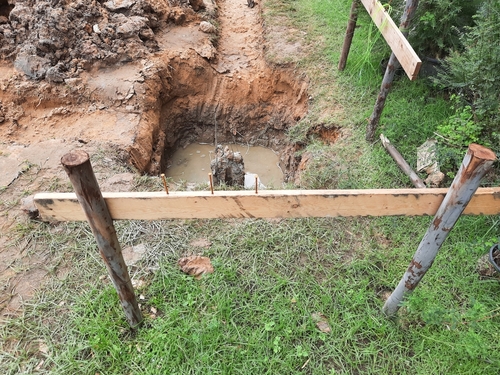
Spread footings are used when the soil near the ground surface is strong enough. They spread the building’s weight over a larger area, so the soil is not overloaded.
This is one of the most common types of footing used in homes and small buildings where the ground can safely take the load.
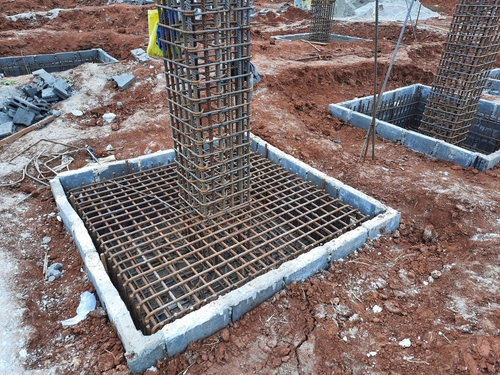
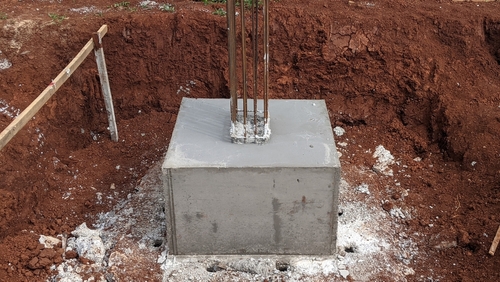
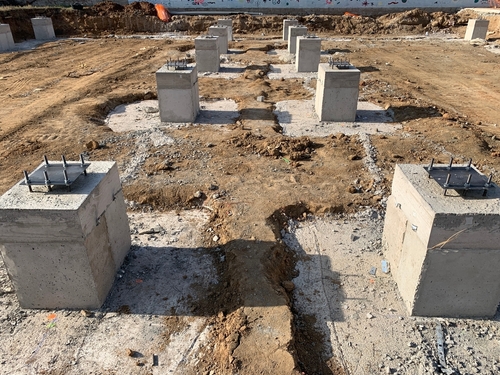
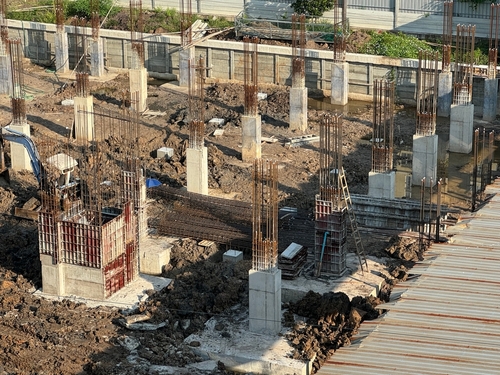
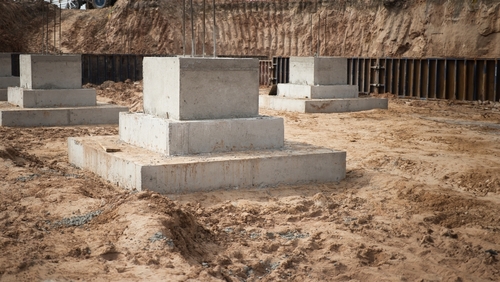
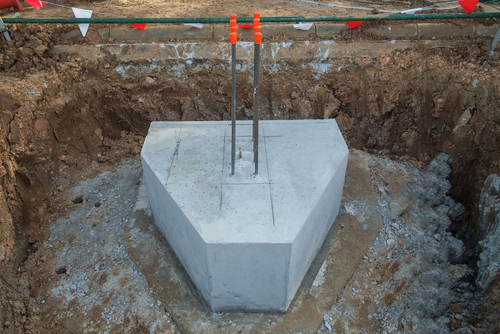
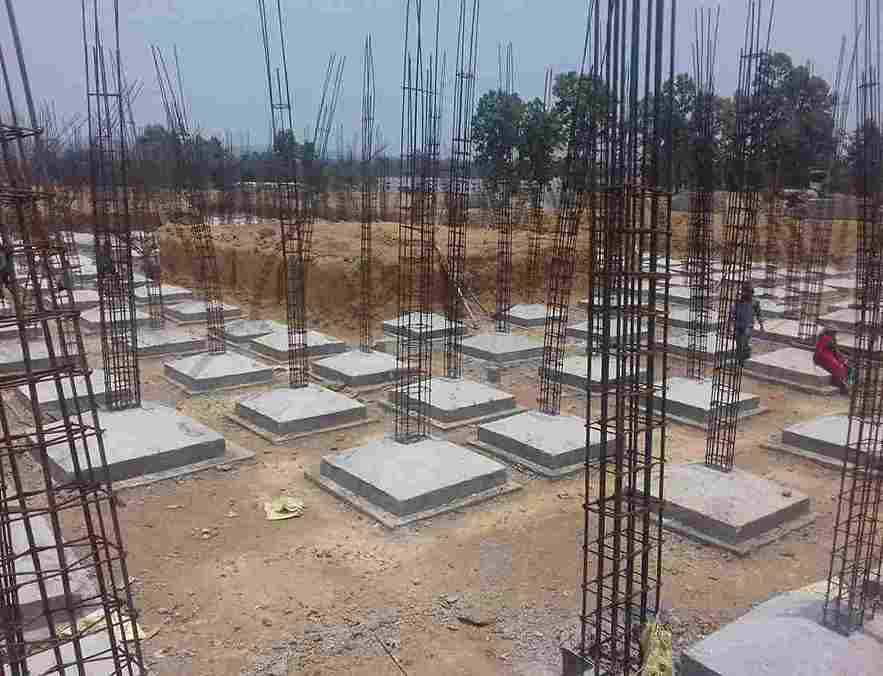
Isolated footings support a single pillar or column. Each pillar gets its own footing placed directly below it.
Isolated footings are used when:
Pillars are far apart
The load is not very heavy
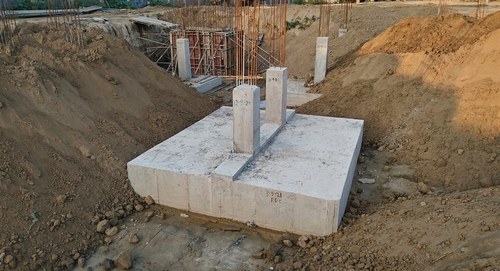
Combined footings support two pillars on a single base. These types of foundations in construction are used when pillars are close together or when space is limited.
By supporting both pillars, the weight is shared equally, keeping the building balanced. These types of footing are used near plot boundaries or narrow areas.
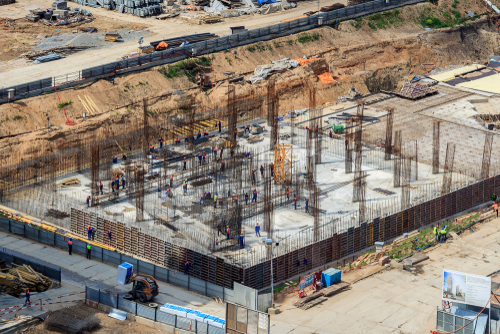
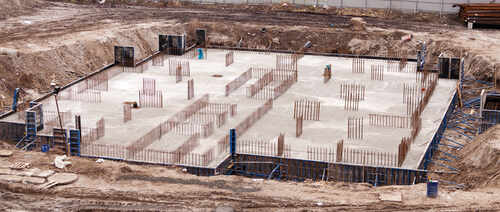
Mat or raft footings cover a large area under the building, sometimes even the full ground area. Instead of supporting individual pillars, they support everything as a whole. The pros and cons of raft footings are:
Pros of Mat (Raft) Footings | Cons of Mat (Raft) Footings |
Gives strong overall support by spreading the weight evenly | Needs more material compared to simple footings |
Helps prevent uneven sinking on weak soil | Takes more time, effort, and planning to build |
Deep footings are used when the soil near the surface is not strong enough. In such cases, support is taken from deeper layers of the ground. These types of footings reach down until they find stable soil that can safely hold the building’s weight.
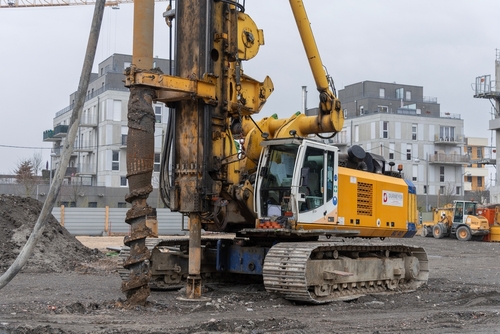
Pile footings use long, strong supports that go deep into the ground. These types of foundation in construction hold the building from below. They are commonly used for
Tall buildings
Bridges
Soft soil areas or near water areas
By going deep, piles provide stability where surface soil cannot.
In this method, deep, round holes are dug in the ground and then filled with a strong material. These act like deep underground pillars. They are used when buildings are heavy and need extra support from deeper soil layers. This method of footing in construction helps keep the structure stable over time.
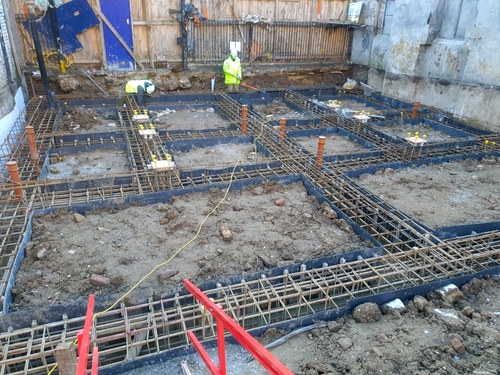
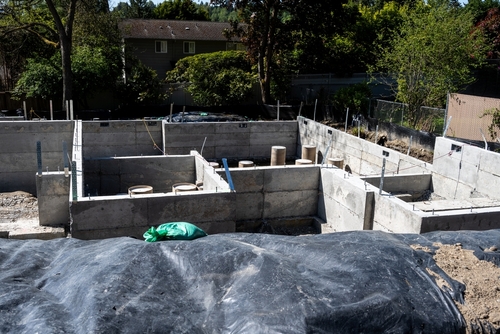
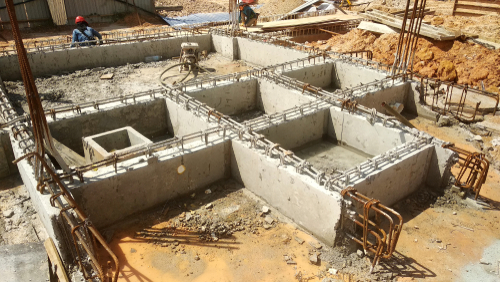
Strip footings run continuously under walls instead of supporting individual pillars. They are commonly used in homes where walls carry most of the weight. These types of footing are simple in design and widely used for small residential construction.
Benefits of Strip Footings | Drawbacks of Strip Footings |
Easy to make | Not suitable for very weak soil |
Works well for small homes | Can crack if soil settles unevenly |
Uses less material than large footings | Not ideal for heavy buildings |
Good for straight, continuous walls | Needs fairly level ground |
Stepped footings look like a staircase under the ground. They are used when the land is not flat and has different height levels. By stepping the footing down gradually, the building stays level on top. These types of footing help avoid uneven pressure on the ground.
Sloped footings are used on land that naturally slopes. Instead of flattening the land, it is designed to match the slope. This helps the building stay stable and prevents it from sliding or shifting over time.
Strap footings connect two separate footings using a beam-like support. This helps balance the load between them. They are useful when a pillar doesn't have enough space for its own footing. The connecting part helps share the weight safely.
Grade beams connect footings above ground level and help support walls. They spread the weight evenly across different supports. They are often used where soil conditions change across the site or where extra strength is needed.
Floating footings are designed to move slightly with the soil. This is helpful in areas where soil expands and shrinks due to weather. Instead of resisting movement, they adjust gently, reducing cracks and damage over time.
Footing in building construction handles many important responsibilities that keep a structure safe and comfortable.
One of the main uses of footings is to spread the weight of the building evenly across the ground. This prevents too much pressure from falling on one small area. When weight is spread properly, the ground remains stable, and the building stays tall.
Not all soil behaves the same way. Some soil is stable, while some becomes soft during rains.
Different types of footings help adjust to these conditions by providing the right kind of support, keeping the building steady in all seasons.
If footings are not chosen correctly, a building can slowly sink or tilt over time. This leads to cracks in walls and uneven floors. Right footing:
Keeps floors level
Prevents wall cracks
Avoids costly repairs later
Strong winds, heavy rainfall, and small ground movements can affect buildings. Footing in construction helps hold the structure in place. This added support helps the building stay in place during changing weather conditions.
Footings lift the building slightly above the natural ground level. This helps protect it from moisture and water seepage. By keeping the structure raised, they reduce problems such as damp walls and water damage.
Walls, columns, and roofs all depend on the support provided from below. If the base is strong, everything built on it becomes safer and more durable.
On uneven ground, footings help level the building without forcing the ground to change completely. This makes construction safer and more practical in different locations.
These construction foundations are a basic requirement in construction rules. These rules are to protect people and ensure buildings remain safe. Following proper footing practices helps avoid future problems and ensures the building meets safety regulations.
Foundation construction may remain hidden underground, but are the most important part of construction. They carry the weight, provide balance, and protect the structure from damage.
Understanding types of foundation in construction helps you make better decisions during construction and avoid costly repairs later. A safe and strong building always starts from the ground. When the footing is done right, the building above it stands strong, steady, and reliable for many years to come.
Footing in construction is the bottom support that carries the weight of your house and safely transfers it to the soil. Without a proper footing, walls can crack, and the building may sink over time.
There are different types of footing depending on soil and building size. Common types of footing include isolated, strip, raft, pile foundation, and strap footings. The right choice depends on the strength of your soil and the weight of your building.
The right footing in construction depends mainly on soil conditions and load. If the soil is strong, simple footings may work. If the soil is weak, deeper or wider support may be needed.
Yes, selecting the wrong footing can lead to uneven floors, wall cracks, and sinking over time. Understanding footing in construction helps you make better decisions and build a safer, long-lasting home.