What Is Footing in Construction
If you are wondering what footing is, it is the lowest part of a building’s foundation that directly rests on the soil.
The main purpose of a footing in construction is to spread the building load evenly over a larger area. This prevents excessive pressure on the soil and reduces the risk of settlement, cracks, or structural failure. Proper footing design depends on soil strength, building load, and site conditions, which is why soil testing is often done before finalising footing details.
A well-designed footing improves the safety, durability, and overall performance of the building.
Types of Footing
There are different types of footing used based on building design and soil conditions.
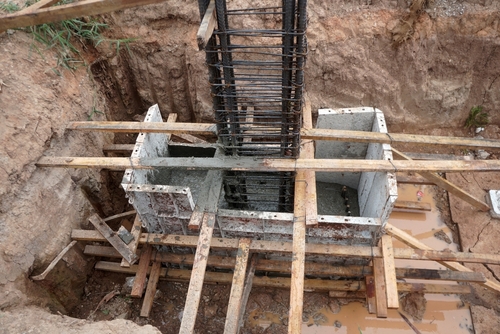
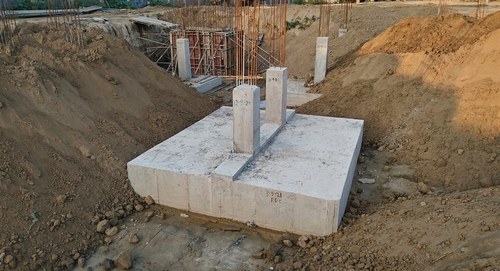
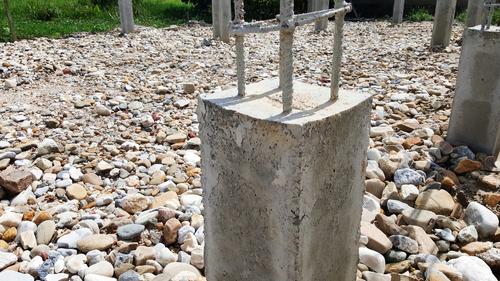
Isolated Footing – Used to support a single column
Strip Footing – Supports load-bearing walls
Combined Footing – Supports two or more columns together
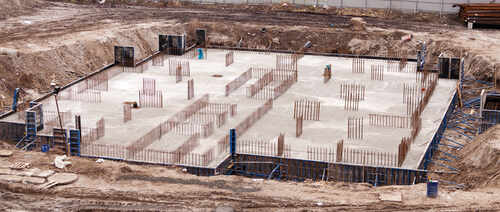
Raft or Mat Footing – Covers the entire building area for weak soil
Pile Footing – Transfers load to deeper, stronger soil layers
Choosing the right types of footing ensures load distribution and long-term stability of the structure.
Summary
A footing is a vital part of any foundation system. Proper footing in construction protects the structure from settlement and ensures it stands firm for years to come.