Types of Floorplan
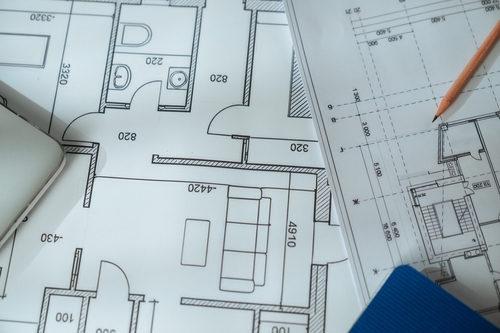
There are various types of floor plans, each serving a specific purpose in home design:
1. 2D Floor Plan
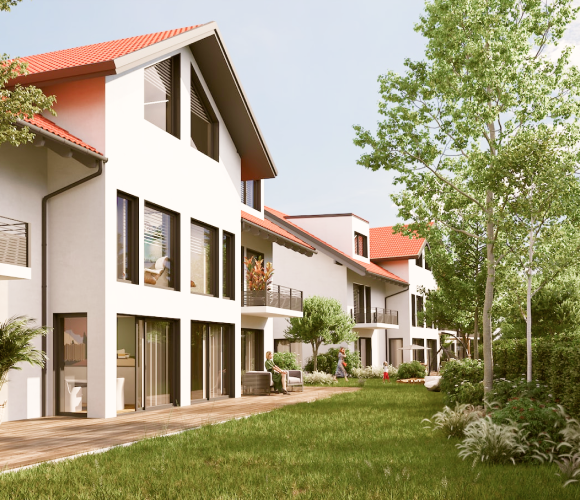
2. 3D Floor Plan
3. Open Floor Plan
4. Closed Floor Plan
Benefits and Limitations of Floor Plans
While they’re useful for visualisation and coordination, they also have a few drawbacks.
Pros:
1. Clear layout: Provides a basic structure for construction and design planning.
2. Furniture planning: Makes it easier to visualise furniture placement and movement flow.
3. Better collaboration: Helps architects, designers, and homeowners stay aligned.
Cons:
1. Lacks structural detail: May not show elements like support beams or plumbing.
2. Risk of misreading: Clients might misjudge room sizes or space flow.
3. Limited perspective: 2D view doesn’t show height, light, or textures.
How Floor Plans Help in Homebuilding
A home floor plan is the starting point for turning ideas into a real, functional space. It plays a key role at every stage of the homebuilding process by offering clarity, direction, and better control over the project.
Here’s how floor plans help:
1. Planning room sizes and flow
2. Deciding on wall placement and circulation paths
3. Budgeting materials and estimating timelines
4. Communicating ideas to professionals
Top 5 things to keep in mind while building a floor plan:
1. Ensure natural light reaches key living areas
2. Think about furniture placement early
3. Keep high-traffic areas clear and accessible
4. Prioritise storage and utility spaces
5. Future-proof for lifestyle changes or family growth





.jpg)