Epoxy grout is a mixture of two-part epoxy resins. These two ingredients are combined with filler powder. Remodeling firms have employed this grouting option for many years because of its durability, non-porousness, and ability to resist stains.
How to Use and Apply Epoxy Grout
These are the steps explaining how to use epoxy grout:
Preparation: Clean the surface and gather necessary tools: epoxy grout, trowel, electric drill with mixing paddle, water, scrub pad, and sponge.
Mixing: Mix epoxy grout with an electric drill until smooth.
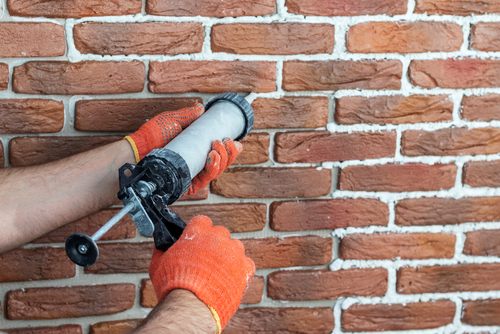
Application: Apply grout with a hard rubber float. Clean excess grout while it’s still wet by sprinkling water and using a scrub pad and sponge.
Curing: Allow the grout to cure as per the manufacturer's instructions before using the surface
Benefits of Using Epoxy Grout
There are many benefits of epoxy grout. Some of them are these:
Exceptional durability for heavy use and harsh conditions.
Non-porous surface that resists stains and is easy to clean.
Waterproof properties suitable for wet environments.
Consistent color throughout the installation.
Requires minimal maintenance.
Resists damage from chemicals.
Common Issues and Fixes with Epoxy Grout
Now that you know what is epoxy grout, here are some common issues related to it:
Uneven Application: Ensure even mixing and consistent application to avoid uneven grout lines.
Haze or Residue: Clean grout while still wet to prevent haze; use a suitable haze remover if necessary.
Cracking or Shrinking: Avoid extreme temperatures and ensure proper curing to prevent cracking.
Staining: Clean spills promptly and use non-abrasive cleaners for stubborn stains.
Difficulty in Cleaning: Use grout haze remover and a soft scrub pad for easier cleaning.
Adhesion Problems: Ensure surfaces are clean and dry before application, and use a bonding agent if needed.
Discolouration: Use high-quality epoxy grout and follow maintenance guidelines if you want to know how to apply epoxy grout to prevent colour changes.
All You Need to Know About AAC Blocks: Types, Advantages, and Uses | UltraTech Cement
All You Need to Know About AAC Blocks: Types, Advantages, and Uses
Discover the various types of AAC blocks, their unique properties, and understand their advantages and limitations in home construction.
Fly Ash Bricks vs Red Bricks: What's the Best for Construction?
Fly Ash Bricks vs Red Bricks: What's the Best for Construction?
Wondering what to choose, fly ash bricks or red bricks for your project? Compare their properties, advantages, and benefits to decide the best option for home building.
Types of Bricks & Their Properties for Home Building | UltraTech
Types of Bricks & Their Properties for Home Building
Understand different types of bricks sun-dried, burnt clay, calcium silicate and their properties. Know where to use them and make the right choice for your home.
Tools
Cost Calculator
Every home-builder wants to build their dream home but do so without going over-budget. By using the Cost Calculator, you’ll get a better idea of where and how much you might end up spending.
EMI Calculator
Taking a home-loan is one of the best ways to finance home-building but home-builders often ask how much EMI they’ll need to pay. With the EMI Calculator, you can get an estimate that will help you better plan your budget.
Product Predictor
For a home builder, it is important to find the right store where one can get all the valuable information about home building. Use the Store Locator feature and visit our store for more information on home building.
Store Locator
It is important for a home builder to select the right products during the initial stages of constructing a home. Use the Product Predictor to see which products will be needed while building your home.