
Share:
Home Building Guide
Our Products
Useful Tools
Home Building Guide
Products
Ultratech Building Products
Share:
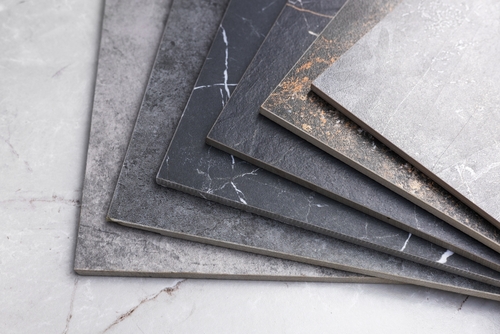
Porcelain tiles are made from refined clay and heated at very high temperatures. This process makes them strong, dense, and less likely to absorb water.
They are commonly used in homes, offices, bathrooms, kitchens, and outdoor areas because of their durability.
Check Samples: Place tile samples in different rooms and view them in natural and artificial light before buying. |
Porcelain tiles offer several benefits that make them a popular flooring choice:
Strong and long-lasting
Low water absorption
Scratch-resistant surface
Suitable for indoor and outdoor use
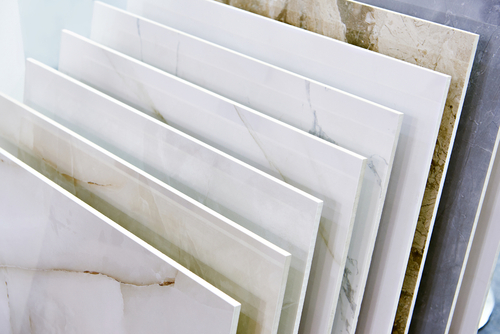
Available in many colours and finishes
Before choosing porcelain tiles, it is helpful to understand both their advantages and limitations.
Pros | Cons |
Very durable | Higher cost |
Water-resistant | Heavier to handle |
Scratch-resistant | Installation can take longer |
Suitable for outdoors | Fewer design options than vitrified tiles |
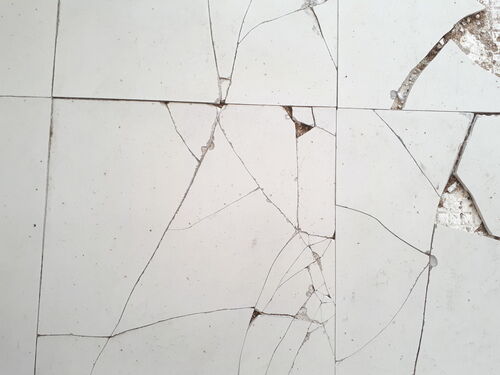
Long lifespan | Repairs may be difficult |
If you want shiny, stylish floors without spending too much, vitrified tiles are the best option.
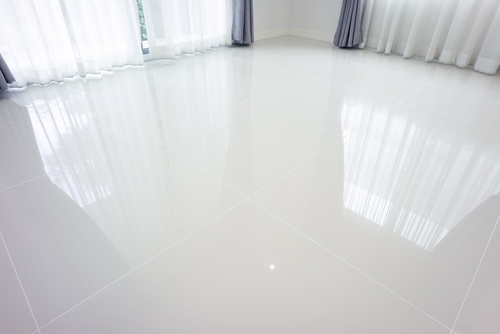
Vitrified tiles are made by mixing clay with minerals and silica. They are heated at high temperatures to create a glass-like surface. This process makes them hard, smooth, and easy to clean.
These tiles are widely used in living rooms, bedrooms, offices, and commercial spaces because they offer a balance of durability and aesthetics.
When comparing porcelain and vitrified tiles, one focuses on strength, while the other offers greater design variety and value for money.
Although both offer long-lasting performance, knowing the porcelain and vitrified tiles differences can make your decision easier.
Feature | Porcelain Tiles | Vitrified Tiles |
Material | Refined clay | Clay mixed with silica and minerals |
Strength | Very strong | Strong |
Water Resistance | Higher | Good |
Design Variety | Limited | Wider range |
Cost | Usually higher | Usually more affordable |
Ask yourself these three questions before buying:
Is the area exposed to water?
Do I need maximum durability?
Am I looking for more design options?
If extra strength and moisture resistance are your top priorities, porcelain tiles are a great choice. If you want attractive designs, easy maintenance, and good value, vitrified tiles may be a better fit.
Understanding the difference between ceramic porcelain and vitrified tiles will help you choose the option that best suits your home.
Both are good. Porcelain tiles offer greater durability, while vitrified tiles offer more design options.
Porcelain tiles are made from refined clay, while vitrified tiles are made using clay, silica, and minerals for a glass-like finish.
Yes, vitrified tiles are water-resistant and commonly used in kitchens and bathrooms.