


Share:
Home Building Guide
Our Products
Useful Tools
Home Building Guide
Products
Ultratech Building Products
Share:
The wrong flooring doesn't just look bad; it costs you more money over time.
Most home builders treat flooring as a finishing decision. It's not. It's a structural and lifestyle decision. The best flooring for your house depends on your city's climate, how many people live in the home, your maintenance habits, and your budget, not just what looks good in a showroom.
A floor that works beautifully in a hill station bungalow can crack, warp, or stain in a Mumbai apartment within two monsoons. This is why comparing wooden flooring vs tiles the right way, based on your actual living conditions, matters more than following trends.
For example, meet Ramesh, a first-time homeowner in Mumbai who just got the keys to his new 2BHK. Excited about the interiors, he spent weeks choosing wall colours and furniture, but when it came to flooring, he picked wooden flooring simply because it looked great in the showroom. Six months later, the planks near the balcony door had already started to warp.
Beautiful to look at, but is it built for your home's reality?
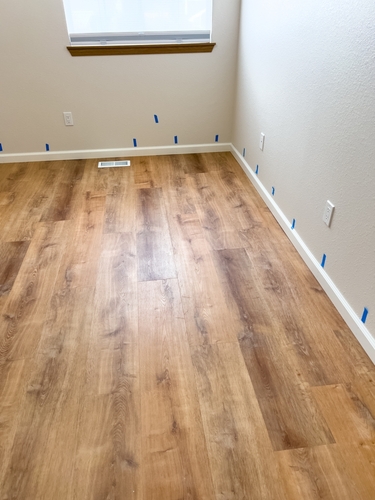
Wooden flooring brings warmth, texture, and a premium look to any room. It has been used in home interiors for centuries and continues to be a popular choice for living rooms, bedrooms, and study spaces. But wooden flooring is not a one-size-fits-all solution, and many homeowners find this out after installation.
There are four main types of wooden flooring available in India today:
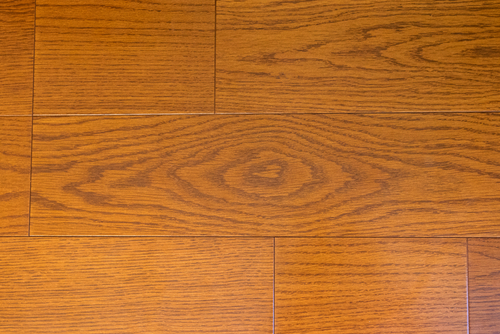
1. Solid Hardwood Flooring: Made from a single piece of wood. The most premium and durable option. Can be sanded and refinished multiple times. Works best in dry, low-humidity areas.
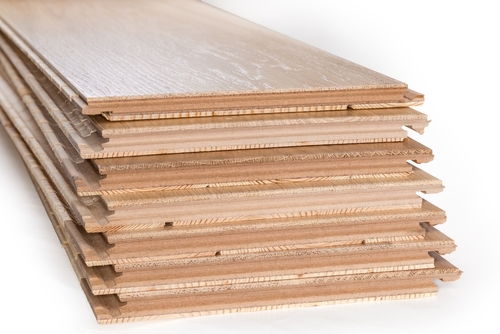
2. Engineered Wood Flooring: Made from a real wood top layer bonded to plywood layers underneath. More stable than solid wood and handles humidity slightly better. A popular middle-ground choice.
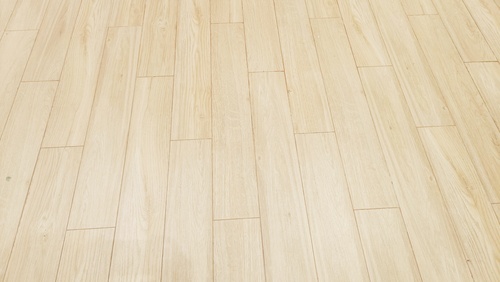
3. Laminate Flooring: Not actual wood, but a photographic layer over HDF board. Looks like wood, costs significantly less. Cannot be refinished. Common in budget-friendly home interiors.
4. Vinyl Plank Flooring (LVP): A synthetic option that mimics wooden flooring. Waterproof and low-cost, but it doesn't have the feel or longevity of real wood.
When Ramesh first visited the flooring shop, he had no idea there were four different types of wooden flooring. The salesman showed him solid hardwood, the most expensive, without explaining that in Mumbai's humidity, it was the worst choice for his home. Had he known about engineered wood or wood-finish tiles, he would have made a very different decision.
Here's why homeowners still choose wooden flooring despite the cost:
Aesthetic warmth: No material brings warmth and character to a room like natural wood. It instantly makes spaces feel premium and lived-in.
Comfortable underfoot: Wooden flooring has a natural give that tiles do not. Standing for long periods on wood is easier on the joints and back.
Good insulation: Wood retains heat, making it a good option for air-conditioned bedrooms.
Timeless appeal: Unlike trends that fade, a well-laid wooden floor ages gracefully and can increase resale value.
Noise reduction: Wood absorbs sound better than hard tiles, reducing echo in larger rooms.
Ramesh's master bedroom had engineered wooden flooring, and that part of his home, he had zero regrets about. Walking barefoot in an air-conditioned room felt warm and comfortable, nothing like the cold tile floors in his parents' house.
This is where most homeowners get a surprise after installation.
Ramesh had installed wooden flooring in his living room without checking the silt content of the materials used underneath. His contractor never mentioned it. Within a year, the floor had started to feel uneven in one corner, a problem that started not with the wood, but with what was beneath it.
1. Not water-resistant: Real wooden flooring swells, warps, and stains when exposed to moisture. In Indian kitchens and bathrooms, this is a serious problem.
2. High maintenance: Scratches easily, needs periodic polishing, and requires careful cleaning. Pet owners and families with young children often find this frustrating.
3. Higher upfront cost: Quality wooden flooring costs significantly more per square foot than tiles.
4. Climate sensitivity: In humid cities like Mumbai, Chennai, or Kolkata, solid wood floors can warp within a few years without proper care.
5. Not DIY-friendly: Professional installation is almost always required.
Site Reality: In Indian homes, wooden flooring is best reserved for bedrooms and living rooms in cities with dry or moderate climates. Using it in kitchens or near bathrooms is a mistake that leads to expensive replacements. |
Tiles have been the default choice for Indian homes for decades, but do you know why?
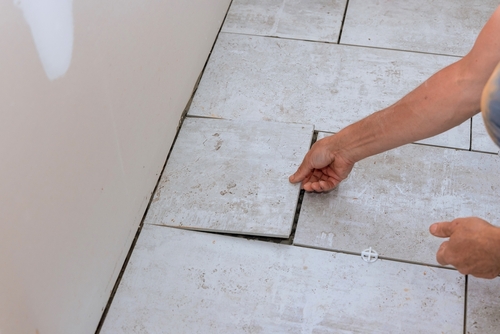
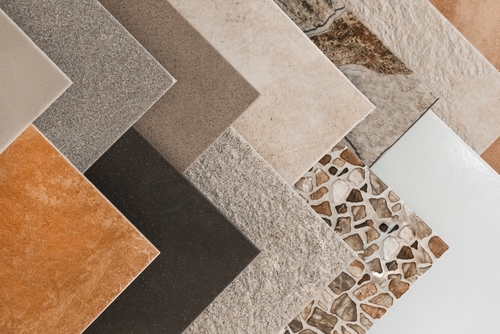
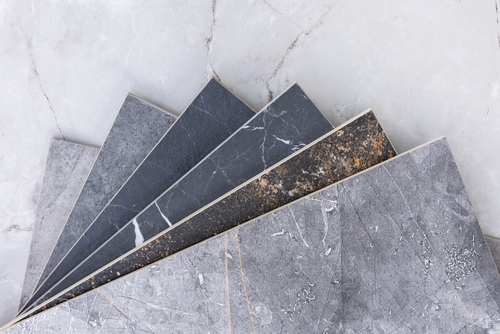
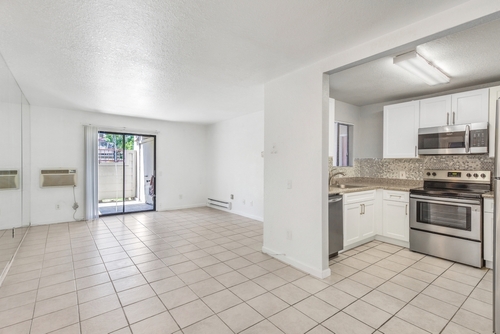
Tiles are flat pieces of ceramic, porcelain, stone, or other materials used to cover floors and walls. They are manufactured in controlled environments, which gives them consistent quality, size, and finish. Tiles are the best flooring for house construction in most Indian climates, and there's a good reason for that.
1. Ceramic Tiles: The most common and affordable type. Made from natural clay and fired in a kiln. Easy to clean and available in hundreds of designs. Best for indoor use.
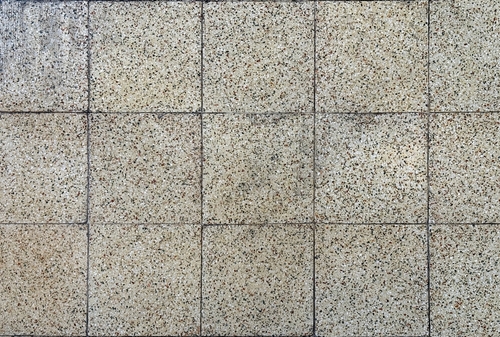
2. Vitrified Tiles: Dense, highly durable tiles with low water absorption. A top choice for living rooms and bedrooms. Comes in glossy and matt finishes.
3. Porcelain Tiles: A subtype of vitrified tiles, made from finer clay at higher temperatures. Extremely hard-wearing and suitable for both indoor and outdoor use.
4. Natural Stone Tiles (Marble, Granite, Slate): High-end, premium options that require sealing and maintenance. Marble is popular in Indian homes for its elegant look.
5. Anti-Skid Tiles: Specially textured tiles meant for bathrooms, kitchens, and outdoor areas to prevent slipping.
After his wooden flooring troubles, Ramesh went back to research. He found that vitrified tiles, which his builder had originally suggested, had low water absorption, were built for high foot traffic, and were widely available in Mumbai. He wondered why he had ever second-guessed that advice.
Tiles dominate the Indian construction market for good reasons:
1. Waterproof: Tiles do not absorb water (especially vitrified and porcelain), making them the best flooring for house areas like kitchens, bathrooms, and balconies.
2. Low maintenance: Easy to mop, does not stain easily, and does not need polishing or waxing.
3. Highly durable: Quality tiles can last 20–30 years with basic maintenance.
4. Wide design variety: Available in thousands of colours, patterns, sizes, and textures. Can mimic marble, stone, or even wooden flooring at a fraction of the cost.
5. Cost-effective: Significantly cheaper than real wood on a per-square-foot basis.
6. Hygienic: Tiles don't trap allergens, dust mites, or moisture the way carpets or wooden floors sometimes can.
Ramesh's kitchen had always had ceramic tiles, installed by the builder, and it was the one room that gave him zero trouble. Oil spills, water splashes, heavy foot traffic, a quick mop, and it looked as good as new every time.
The one complaint Ramesh had about his kitchen tiles was the grout lines. Two years of Mumbai's monsoon humidity and daily cooking had turned them dark and difficult to clean. He had to hire someone specifically to scrub and reseal them.
1. Hard underfoot: Standing on tiles for long hours can be tiring and tough on the knees and back.
2. Cold in winter: Tiles stay cold, which can be uncomfortable in the mornings, especially in North India winters.
3. Slippery when wet: Without an anti-skid texture, standard tiles become a safety hazard in wet areas.
4. Grout staining: The joints between tiles can accumulate dirt and stain over time, requiring regular cleaning.
5. Cracks under pressure: Heavy impacts or poor installation can cause tiles to crack, and replacing a single tile can be difficult if the batch is no longer available.
Builder Insight: Many homeowners pick tiles purely on looks and regret the grout lines later. Always ask for large-format tiles or minimal grout joint installations to reduce cleaning effort over the years.
Don't make a 20-year decision based on a 5-minute physical showroom visit.
Here's a side-by-side look at how wooden flooring vs tiles compare across the factors that actually matter in a home.
Factor | Wooden Flooring | Tiles |
Durability | 10–25 years (climate-dependent) | 20–30+ years |
Water Resistance | Low (not suitable for wet areas) | High (ideal for wet areas) |
Maintenance | High (polishing, scratch care) | Low (easy to mop and clean) |
Cost (per sq ft) | ₹150–₹600+ | ₹40–₹300+ |
Comfort Underfoot | High (warm, soft feel) | Moderate (hard, cold) |
Aesthetic | Warm, premium, natural | Versatile, modern, clean |
Best For | Bedrooms, living rooms (dry climates) | Kitchens, bathrooms, all climates |
Installation | Professional required | Easier, semi-DIY possible |
Resale Value | Higher in premium homes | Standard in most homes |
Eco-Friendliness | Natural (if responsibly sourced) | Manufactured, longer lifespan |
A floor that looks great on day one but fails in year three is never a good deal.
Tiles win on raw durability. Quality vitrified or porcelain tiles can last 25–30 years with minimal maintenance. Wooden flooring, even engineered wood, depends heavily on climate, foot traffic, and care. In humid Indian cities, solid wood floors can warp or crack within 5–7 years without proper treatment and maintenance.
For best flooring for house longevity in Indian conditions, especially in coastal or humid cities, tiles are the safer bet.
Two years into living in his 2BHK, Ramesh's kitchen tiles looked almost new, while his living room wooden flooring had already needed one round of repairs. In Mumbai's climate, the difference in durability was impossible to ignore.
What seems easy to clean now may become your weekend chore for years.
Tiles require simple mopping and occasional grout cleaning. Wooden flooring needs regular polishing, scratch care, and must be kept dry at all times. Spills need to be wiped immediately on wood and tiles; a few minutes make no difference.
For busy families, tiles are the clear winner in maintenance. Wooden flooring suits homes where careful upkeep is guaranteed.
Every Sunday, Ramesh spent 30–40 minutes maintaining his wooden flooring, checking for scratches, applying polish, and making sure no moisture had seeped in. His tiled kitchen? A 5-minute mop and done. He wished someone had told him this before he made his flooring decision.
Saving money upfront on flooring can cost you more in replacements and repairs.
Type | Cost Per Sq Ft (Approx.) |
Basic Ceramic Tiles | ₹40 – ₹80 |
Vitrified / Porcelain Tiles | ₹80 – ₹300 |
Laminate Wood Flooring | ₹60 – ₹150 |
Engineered Wood Flooring | ₹150 – ₹400 |
Solid Hardwood Flooring | ₹300 – ₹600+ |
During cost comparisons between wooden flooring and tiles, tiles win for budget-conscious builds. However, premium wooden flooring can add significant resale value to a home if maintained well.
Ramesh had originally chosen wooden flooring, thinking it looked premium for the price. But when he added up the installation cost, two rounds of polishing, one repair job, and the upcoming replacement near the balcony, he had already spent nearly double what good vitrified tiles would have cost him for the same area.
Both can look stunning; it comes down to the mood you want to create.
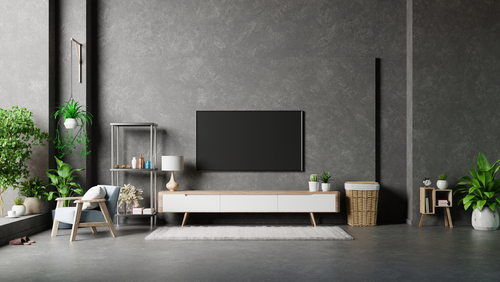
Wooden flooring creates warmth, texture, and a natural, organic feel. It works beautifully in bedrooms and reading rooms. Tiles offer clean, modern aesthetics with endless variety from polished marble looks to industrial concrete finishes.
Interestingly, wood-finish tiles now bridge this gap. You can get the look of wooden flooring with the durability of tiles, a popular choice for Indian home interiors today.
The one thing Ramesh never regretted was how his master bedroom looked. The warm walnut-toned wooden flooring with soft lighting made it feel like a hotel room. His guests always complimented it. For aesthetics alone, wooden flooring had won, but aesthetics alone don't make a floor practical.
This single factor eliminates wooden flooring from most Indian rooms.
Tiles are waterproof. Wooden flooring is not. This is the most important factor when choosing the best flooring for a house in India. Given that Indian homes deal with monsoons, water spillage in kitchens, and high bathroom usage, tiles are the safe choice for most rooms.
The turning point for Ramesh came during Mumbai's monsoon season. A small gap near the balcony door let in rainwater one afternoon. The tiles in his bathroom, untouched. The wooden flooring in his living room, three planks swollen and lifted by evening. That was the moment he decided to redo the living room with tiles.
Site Reality: Never install real wooden flooring in kitchens, bathrooms, balconies, or ground floors in flood-prone areas. The damage from a single water leak can ruin the entire floor.
You don't just look at your floor. You live on it.
Wooden flooring wins here. The natural give of wood is gentler on feet and joints. It stays warmer in cooler months. Tiles are harder, colder, and more tiring to stand on for extended periods. In bedrooms and living rooms where you spend leisure time barefoot, wooden flooring provides a noticeably superior experience.
After replacing his living room's wooden flooring with large-format vitrified tiles, Ramesh noticed one thing: the tiles felt cold every morning. He bought a large area rug to fix this, which worked well. But he kept the wooden flooring in the bedroom, where comfort mattered most, and moisture was never an issue.
You don't have to choose just one; the best homes use both strategically.
The smartest approach to wooden flooring vs tiles is not picking one winner; it's knowing where each works best. If Ramesh were to build his 2BHK again from scratch, here is exactly what he would do: vitrified tiles in the living room, kitchen, and bathrooms, wood-finish tiles in the children's room, and engineered wooden flooring only in the master bedroom, where moisture is controlled, and comfort matters most.
Here are some practical flooring ideas for Indian home interiors:
1. Living Room: Vitrified tiles with large formats (800x800mm or bigger) for a clean, spacious look. Or engineered wooden flooring in dry cities for a warm, premium feel.
2. Master Bedroom: Engineered wooden flooring or wood-finish tiles. Adds warmth and a resort-like feel.
3. Kitchen: Always tiles. Anti-skid, easy-to-mop vitrified or ceramic tiles. Never wooden flooring.
4. Bathrooms: Anti-skid tiles only. Water resistance is non-negotiable.
5. Children's Room: Laminate wooden flooring or soft-finish tiles. Comfortable for playing on the floor.
6. Balcony / Outdoor: Rough-textured outdoor tiles. Porcelain or stone tiles work well here.
7. Mix & Match: Use tiles in high-traffic, high-moisture zones and wooden flooring (or wood-finish tiles) in private, low-traffic spaces like bedrooms and studies. This gives you the look of wooden flooring where it matters and the practicality of tiles where it's needed.
Builder Insight: Using wood-finish vitrified tiles in bedrooms is one of the smartest decisions in modern home construction. You get the look of wooden flooring, the durability of tiles, and the ease of maintenance, all in one. |
There's no single winner in the wooden flooring vs tiles debate. There's only the right choice for your home, your city, your lifestyle, and your budget. If you live in a dry climate, want premium aesthetics in your bedroom, and are ready to maintain your floors carefully, wooden flooring can be a beautiful, long-lasting choice.
If you want durability, low maintenance, water resistance, and value for money across most rooms in an Indian home, tiles are the best flooring for your house. And if you want the best of both worlds? Use wood-finish tiles in bedrooms and real tiles everywhere else. It's practical, beautiful, and built for real Indian living. The right floor doesn't just look good. It holds up your home quietly, every single day.
Ramesh's flooring journey is one that many first-time homeowners in India go through. He started with a showroom decision, paid the price of a humid Mumbai monsoon, and eventually found the right balance, tiles where it mattered practically, wooden flooring where it mattered emotionally. Today, he tells every friend building a new home the same thing: don't pick your floor based on how it looks in a showroom. Pick it based on how you actually live.
Ready to plan your home's flooring? From foundation to finish, UltraTech has everything your home needs. Find out now!
Tiles are generally cheaper than wooden flooring. Basic ceramic tiles start at ₹40 per sq ft, while even entry-level laminate wooden flooring starts at ₹60–₹80 per sq ft.
Wooden flooring can work in Indian homes, but with conditions. It is best suited for bedrooms and living rooms in dry-climate cities like Delhi, Pune, or Bangalore.
Tiles generally last longer than wooden flooring in Indian conditions. Quality vitrified tiles can last 25–30 years with basic care. Wooden flooring, depending on the type and climate, typically lasts 10–20 years and requires more upkeep.
Yes, and it's actually one of the smartest design choices for Indian homes. You can use tiles in high-moisture areas in bedrooms and living rooms.