


Share:
Home Building Guide
Our Products
Useful Tools
Home Building Guide
Products
Ultratech Building Products
Share:
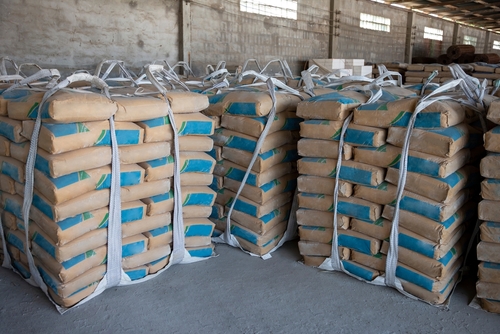
You can protect cement by storing it in a dry, covered and well-protected space, away from moisture. Keep the bags raised above the floor and away from walls that have moisture. Before placing the bags there, check the storage area for leaks, standing water, and humidity.
Buying good cement is only half the job. Poor storage can affect cement quality before you even open the bag. Repeated exposure to moisture can cause lumps and affect how the cement performs during construction.
That is why cement storage at home needs some planning from the start. You don't need a special warehouse. A suitable dry space, proper stacking and regular checks can help keep your cement protected until you use it.
Quick check before you read on
Is This Your Problem? |
1. Are your cement bags lying directly on the floor? Yes / No 2. Are the bags kept near a wall with wet marks? Yes / No 3. Has rain, humidity or water reached the storage area? Yes / No If you answered yes even once, don't leave the bags there. Check them today. |
The cement bag may look sealed, but moisture can still find a way in. Cement reacts with moisture, even the moisture sitting in humid air.
Poor storage can lead to lumps and a slow loss of quality. Think about cement like this.
You buy it as a fine, dry powder for a specific job. You want it to stay that way until you mix it. Once moisture reaches the powder, some cement particles can start reacting. This can affect how the cement performs during construction.
That's why protecting cement from moisture matters from day one.
Water is the obvious danger, but humidity deserves just as much attention when it comes to cement storage at home. Humidity simply means moisture present in the air around your cement bags.
A leaking roof can expose bags to direct water. A damp room can expose them to moisture slowly, without you noticing. Both situations affect cement quality the same way.
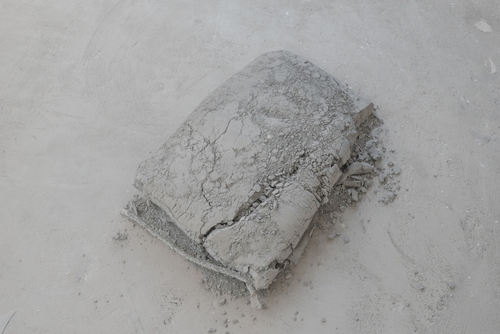
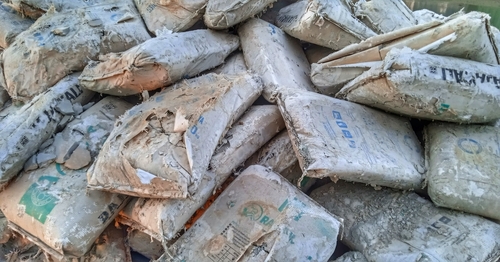
You may first notice small hard lumps inside the bag. Those lumps show that moisture has already reached some cement particles. If the cement turns badly lumpy, don't simply break the lumps apart and use it anyway.
Ignore it long enough, and here's where it leads: |
Moisture can turn a storage problem into a construction problem. That's the real risk of a lumpy bag: the cement may no longer perform as expected. |
Cement helps bind other materials together. It works with water and other materials to form concrete or mortar.
Builders use concrete, the hardened material, for structural work. If cement quality falls before mixing, your whole construction process can suffer.
Here's the thing though: a bad mix isn't always about a rushed job site. Sometimes it starts weeks earlier, with a bag that sat in the wrong corner for too long.
Cement shouldn't sit forgotten in a corner of your site. Its quality can decline the longer it sits in storage, especially in poor conditions.
We recommend using cement within three months of manufacture for the best performance. If cement stays longer than that, testing before use becomes important.
Is the cement older than three months? Get it tested before you use it for important work.
So don't go only by the date you bought the bag.
Check the manufacturing details on the bag and plan your usage around them. Here's the part most people miss when they think they've done enough:
The Part Most People Miss |
A fresh bag isn't automatically good after months of poor storage. Both storage conditions and storage time matter together, not separately.
Keep that in mind before you assume last month's bags are still good to go. |
Now you know why cement needs protection. The next question is simple: where should you actually keep it?
The safest approach to cement storage at home is a dry, leakproof and covered area. Your goal is to stop moisture from reaching the bags from every direction: floor, walls and roof.
Start with the room itself. Don't keep cement in an open area just because it has a roof above it. Look for a place with:
1. No roof leakage
2. No standing water
3. No wet marks on the walls
4. Limited exposure to outside air
5. Protection from rain and direct weather
6. A clean, dry floor
A small storeroom can work well once you prepare it properly. A covered corner can also work for short-term storage. The key to good cement storage at home, either way, is keeping the bags away from moisture.
This matters even more during monsoon. Rainwater can enter through leaks, open windows or poorly covered areas. If your storage space has a leak, fix that first. Don't just throw a plastic sheet over the cement and forget about it.
Here's a two-minute check that saves the whole stack:
Do This Before the Rain Finds Your Bags |
Check the roof, floor and walls before storing cement. One small leak can affect several bags at once. |
If you do use a waterproof cover, don't wrap wet bags in it or trap water underneath. The storage area itself needs to stay dry; the cover is backup, not the main plan.
Getting the room right is half the battle. The other half is where inside that room you actually put the bags.
This is one of the simplest rules of cement storage at home. Don't place cement bags directly on the floor; the floor can transfer dampness straight into the bottom bags.
Instead, raise the bags above the floor on wooden planks or a raised platform. Leave some space between the stack and the outside walls too, since damp walls are one of the most common sources of moisture.
Avoid building one tall, unstable pile. Keep different cement types or grades separate from each other. This helps you avoid mixing the wrong cement into a job by mistake.
Follow a simple first-in, first-out approach |
Use older bags before newer ones. Don't let your newest bags become your oldest bags. |
Before you leave the site, run through this:
Quick Storage Check |
☐ Bags are raised above the floor ☐ Bags don't touch damp walls ☐ The roof doesn't leak ☐ The storage area stays dry ☐ Different cement types stay separate ☐ Older bags are used first
Tick these off, and moisture won't get a chance to settle in. That's the core of good cement storage at home in six simple checks. |
But there's a second question: good cement storage at home needs answering: how long can those bags actually sit there before quality starts slipping? That's what we'll get into next.
Cement doesn't have an unlimited shelf life. Even good cement can lose quality when cement storage at home stretches on for too long.
For the best performance, stick to the three-month window from the manufacturing date. If storage runs longer than that, the cement may still need testing before use.
Imagine you bought several bags for your house slab. Then the slab work gets delayed by a few months. The bags sit untouched in your storage room.
You may assume they're still exactly the same. That's where the risk begins.
Cement can gradually lose strength during storage. Moisture exposure speeds up this damage.
You may notice lumps, hardened bits or changes in how the powder feels.
These signs should make you stop and inspect the cement before use.
Don't decide just by breaking a lump with your hand. If the cement has sat for a long time, ask a professional to test it.
This is exactly why cement storage at home isn't a one-time task; it needs a periodic check.
Good cement storage at home depends on two things working together, not one. A dry store protects cement far better than an exposed outdoor corner.
But good storage doesn't mean you should store cement forever. Plan your purchases around the construction work coming up next.
Don't buy a large quantity simply because work is underway. Buy according to your planned work and expected use.
This cuts down the time bags spend sitting around and cuts down on wastage too. Getting cement storage at home right, in other words, saves you money as much as it saves quality.
If you remember nothing else from this section, remember this:
A Simple Rule to Remember |
1. Buy according to your work. 2. Store carefully. Use older bags first. 3. If cement stays stored beyond three months, get it evaluated before important work. 4. A qualified engineer or site professional can tell you if the cement needs testing. Stick to that, and you'll rarely need to worry about testing a bag before you use it. |
Once you've sorted out cement storage at home, the next decision is choosing the right cement for your build. PPC stands for Portland Pozzolana Cement. It contains cement material along with pozzolanic material, such as fly ash. This is a substance that reacts with cement to add extra strength and durability.
RCC stands for reinforced cement concrete, where steel bars strengthen the concrete. UltraTech designs PPC cement for general construction applications, including RCC, masonry and plastering work. PPC can offer useful properties such as better workability. That simply means it's easier to mix and apply.
It also offers lower permeability, which is how easily water moves through hardened concrete. It can hold up well over the long term when used the right way.
Remember one important point: choosing PPC cement doesn't remove the need for proper cement storage. The bag still needs protection from moisture before you use it
So once you've chosen your cement, give equal attention to your cement storage at home.
Explore the Range of Cements for Different Construction Needs.
With PPC cement, one thing stays the same: |
Your cement choice affects construction. Your storage plan protects that choice until the cement reaches the mixer. |
By now you've got the full picture of cement storage at home - why moisture is the enemy, where to store your bags, how long they'll last, and why PPC cement suits your build.
Here are quick answers to the questions homeowners ask most often, in case something's still on your mind.
Store cement in a dry, covered, leakproof area. Raise the bags off the floor, keep them away from damp walls, and use older bags first.
Keep cement away from water, damp floors, damp walls and humid air. A raised platform and waterproof cover help, but the storage room itself needs to stay dry.
Yes, but quality drops the longer it sits. Use it within three months of manufacture, or get it tested before use.
Look for hard lumps or cement that no longer feels like a free-flowing powder. If it's been stored a while, get it checked before using it.
Keep bags raised, covered and away from damp walls. Store different types separately and use the oldest bags first.