


Share:
Home Building Guide
Our Products
Useful Tools
Home Building Guide
Products
Ultratech Building Products
Share:
Bentonite slurry is a thick mud-like mixture made by mixing bentonite clay with water. It is used in construction to support deep digging and prevent soil from falling in.
When added into deep holes or trenches, the slurry forms a thin protective layer around the soil. This helps keep the sides steady, especially in loose or weak ground. Even though it thickens when standing still, it flows easily when mixed or moved, making construction work smoother and safer.
When workers dig deep for foundations, borewells, or basements, the soil may start breaking and falling inside. In some places, the ground is too loose or sandy to stay stable on its own. Water can also enter the dug area, making the soil weak and slippery.
These problems can slow down the work, increase costs, and create safety risks at the site. In deep digging, even a small collapse can make the area unsafe and force workers to restart the digging.
This is where bentonite slurry becomes useful:
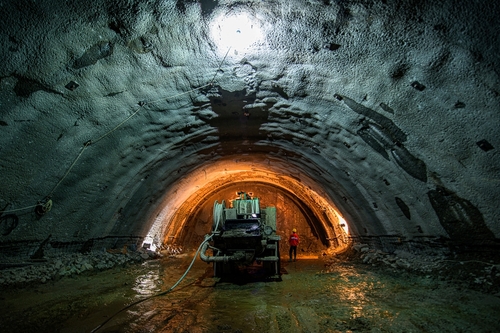
Bentonite slurry is useful in deep foundation work and tunnelling projects. Here are some common places where it is used:
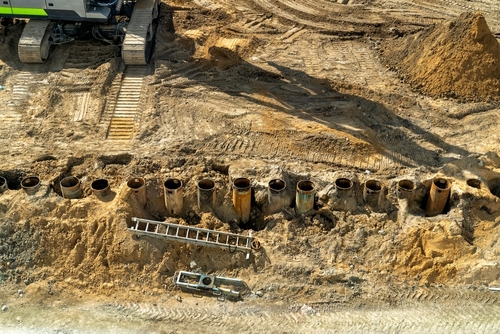
Pile foundation work is done when a building needs strong support below the ground. In this method, deep holes are made and filled with concrete and steel. Bentonite slurry helps keep these holes open before the concrete is poured.
Without slurry, the sides of the hole may fall in, especially in loose soil. This can make the work messy and unsafe. Bentonite slurry gives the hole temporary support until the foundation is ready. That is why it is often used in pile work.
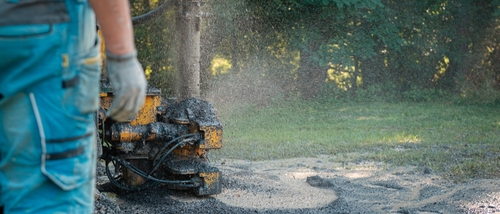
When a borewell is made, the ground is drilled deep to reach water. During this work, soil and water can mix, making the hole unstable. Bentonite slurry helps keep the borehole stable while drilling.
It also reduces the chances of the walls breaking or caving in. This makes the drilling work smoother and safer. In many drilling jobs, bentonite slurry acts like a protective shield for the hole.
Basement work means digging much deeper than the normal ground level. In such cases, the soil around the dug area may become weak or start to slide. Bentonite is used in construction to keep the side walls stable during the digging process.
This is useful when the ground is wet or loose. It helps reduce the risk of collapse and keeps the area safer for workers. For deep basement work, bentonite slurry can be a very helpful support material.
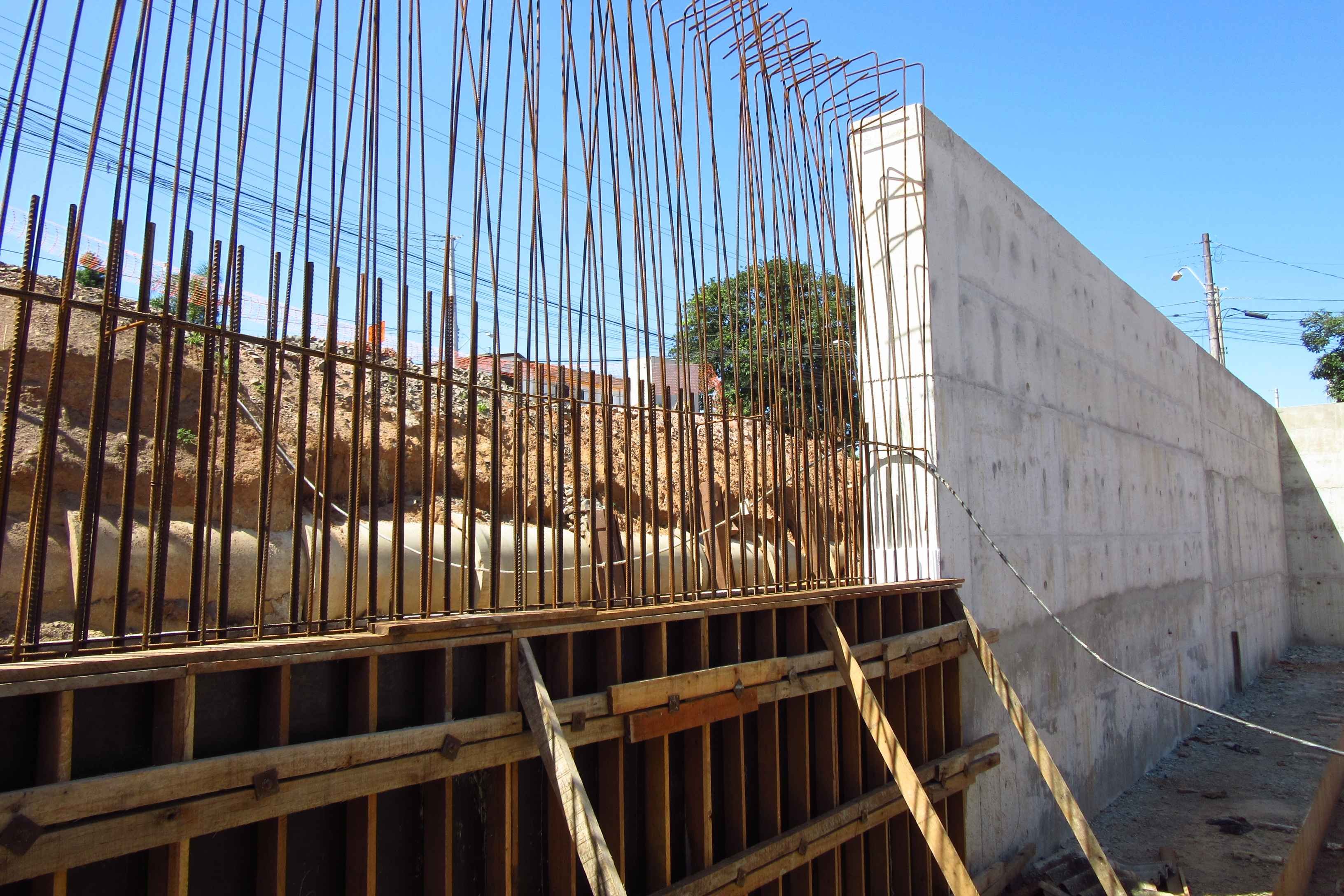
Diaphragm walls are deep walls constructed in the ground to retain soil and water. They are used in large construction projects. Bentonite slurry helps during the digging of these deep wall trenches.
It keeps the trench from closing in before concrete is placed. This makes the wall work possible and safer. Bentonite slurry helps the deep trench stay open long enough to build the wall.
Bentonite slurry forms a thin protective layer along the sides of the dug hole. This layer helps hold the soil together. It also slows the flow of water into the hole.
When the slurry is in the dug area, it gently pushes against the soil.
This pressure helps the walls stay firm.
The slurry is not there forever. It is used during the work and then removed or managed afterwards.
So the bentonite slurry properties are to form a protective layer and hold the soil together.
Bentonite slurry is made from a few simple things. Even though it looks plain, each part has a role. The mixture must be prepared properly for it to work well.
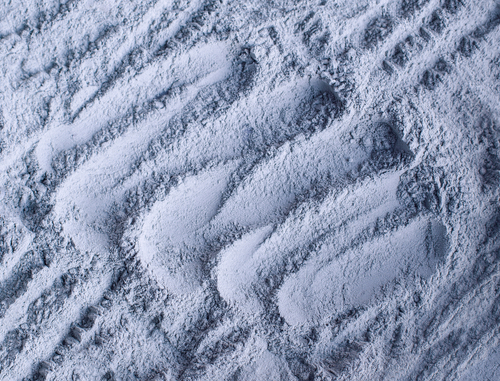
Bentonite clay is the main ingredient. It is a special type of clay that swells when mixed with water. This swelling helps it become thick and sticky.
That thick nature is what makes it useful on sites. It helps the slurry stay in place and support the soil. Without bentonite clay, the slurry would not perform properly.
Water is needed to turn the clay into a slurry. It helps the clay mix well and spread evenly. The amount of water must be right, because too much or too little can spoil the mix.
If there is too much water, the slurry becomes weak and watery. If there is too little water, the mix becomes too thick and hard to use. An ideal water balance is very important.
Preparing the bentonite slurry must be done carefully. A good mix gives better support. A bad mix may fail when it is needed most.
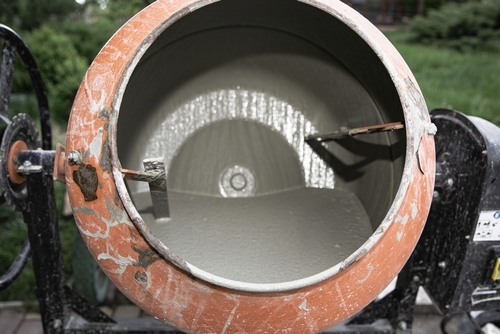
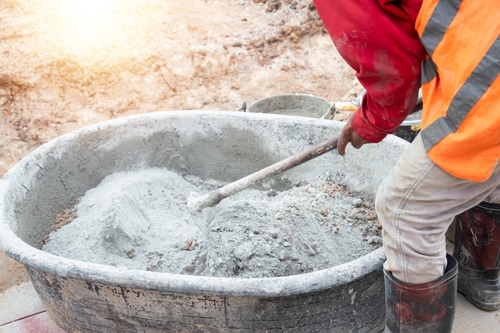
First, clean water is taken into a mixing tank or drum. Then, bentonite clay is slowly added while the mixture continues to be mixed. The goal is to make a smooth, lump-free slurry.
The ratio of clay to water depends on the project and soil conditions. The thickness of the mix is decided based on soil conditions.
Bentonite slurry is usually prepared with mixing tanks, pumps, and stirring tools. These help evenly mix the clay and water. In larger projects, specialised machines may be used to speed up the work.
For smaller jobs, simpler equipment may be enough. What matters most is that the mixture is mixed well. A half-mixed slurry will not give good results.
Before using the slurry, workers check if it is smooth and thick enough. It should not have too many lumps. It should also not be too watery.
The slurry should support the hole and remain stable for the required time. If it looks weak or dirty, it may need adjustment. Checking before use saves time and trouble later.
Bentonite slurry is useful when the ground is weak or the work is deep. Here are the main advantages:
Prevents Collapse of Boreholes: It helps keep boreholes from falling in, remaining open, and staying stable. The slurry supports the sides of the hole. This gives workers time to complete the next steps safely.
Improves Stability in Weak Soil: Some soils are soft, loose, or full of water, making them hard to work with. This slurry helps stabilise the dug area.
Reduces Water Seepage: Water can be a big problem during digging. It may enter the hole, making work difficult. The slurry helps slow down water seepage.
Cost-effective for deep foundation work: Using bentonite slurry can save money by reducing collapse, rework, and delays. Deep foundation work is costly if mistakes happen.
Even though bentonite slurry is useful, it has some limits. Knowing these limits helps avoid trouble later.
After use, the slurry cannot always be left where it is. It must be handled and disposed of carefully. If not managed well, it can create a mess at the site.
This means extra care is needed after the work is done. Good site management is important. Construction waste should always be handled responsibly.
The slurry must be checked often during use. If its quality changes, it may stop working well. This means workers must keep an eye on it.
If the mix becomes too weak or too dirty, it may need to be fixed. So it is not a material that can be prepared once and forgotten.
Bentonite slurry works well in many situations, but not every site is the same. Some soil types may need different methods. That is why site checking is important before starting work. The right method should match the ground condition.
Safe use of bentonite slurry is just as important as proper mixing. Workers should handle it with care.
Keep bentonite clay in a dry place before mixing. Wet or spoiled clay may not work well. During mixing, ensure the area is clean and well-controlled.
The slurry can make the ground slippery, so workers need to pay extra attention to avoid slipping in the mixing zone. Simple safety care can prevent accidents.
Used slurry should not be dumped carelessly. It should be removed and disposed of in accordance with site rules to keep the work area clean and safe.
Wrong disposal can block drains and pollute nearby areas. Properly managing slurry is an important part of good construction practice.
The work area should have proper signs and safe walking paths. Workers should know where the slurry is being mixed and stored. Open holes and wet areas must be guarded.
The cost of bentonite slurry can change from project to project. It depends on the amount needed, site conditions, and work style. Here are the main cost factors.
The price of bentonite clay makes up a major share of the total cost. The quality of the material can affect the price. For larger projects, the quantity used may be more. So the total material cost can rise quickly. Planning helps control this expense.
Mixing the slurry needs tanks, pumps, and workers. These tools and people add to the cost. Bigger sites usually need more equipment and more hands.
Smaller jobs may cost less, but they still need proper mixing and handling. Labour cost and machine use both add up. Together, they make up a significant part of the budget.
Deep, large projects require more slurry. Shallow work may need less. The deeper the digging, the more support is usually required.
That means the cost rises with project size and depth. Site conditions also affect the amount used. A difficult site often needs more care and more material.
Bentonite slurry may sound like a small part of construction, but it plays a very important role. For home builders and construction teams, understanding bentonite slurry is a smart step. It helps you make better decisions on-site. When used properly, it supports safe and smooth construction work from the ground up.
Bentonite slurry is not necessary for every home project. It is mostly used when the work goes deep into the ground or when the soil is weak or wet. For normal shallow work, it may not be needed.
Bentonite slurry is made by mixing bentonite clay with water. The mixture is stirred until it becomes smooth and even. The right balance of clay and water is very important.
Good bentonite slurry should be smooth, thick enough to support the hole, and free from lumps. It should also stay stable for the needed time. Poorly mixed slurry may not protect the dug area.
In some projects, bentonite slurry may be reused after proper cleaning and checking. But its quality must be checked before using it again. If it is dirty or weak, it should not be reused.