


Share:
Home Building Guide
Our Products
Useful Tools
Home Building Guide
Products
Ultratech Building Products
Share:
Before learning how to choose grout, it is important to understand what bathroom tile grout is. Grout is a paste made from cement, sand, water, or special chemicals that is used to fill the gaps between tiles.
Tiles are fixed on the wall or floor using adhesive, but the spaces between tiles remain open. Bathroom tile grout fills these gaps and prevents water, dust, and bacteria from entering.
Bathrooms require stronger grout because they face constant moisture, soap residue, and temperature changes. Without proper bathroom tile grout, tiles may loosen, stains may appear, and mould may grow.
Sahil initially thought grout was just a filler between tiles. But when he spoke to a contractor, he learned that it plays an important role in sealing tile gaps and preventing water from entering.
Tiles cannot stay strong on their own. They need both adhesive and bathroom tile grout to hold the structure together and protect the surface. Understanding the difference between grout and tile adhesive helps homeowners avoid common installation mistakes.
Feature | Bathroom Tile Grout | Tile Adhesive |
Purpose | Fills gaps between tiles | Fixes tiles to walls or floor |
Position | Used after tile installation | Used before placing tiles |
Water protection | Helps seal tile joints | Helps hold tiles in place |
Visibility | Visible between tiles | Hidden under tiles |
This table shows that bathroom tile grout and adhesive work together but serve different purposes.
Tip: Always choose grout that matches the moisture level of bathrooms. Normal grout used for dry areas may not perform well in wet spaces.
There are several types of grout available in the market. Each type offers different advantages depending on the tile design and bathroom conditions.
Cement grout is the most common type of bathroom tile grout. It is made from cement and sand and is widely used in homes. It is affordable and easy to apply. But cement grout may absorb water if it is not sealed properly.
Sanded grout contains fine sand particles. This type of bathroom tile grout is used for wider gaps between tiles because the sand provides extra strength. It works well for floor tiles where grout lines are larger.
Unsanded grout does not contain sand. This type is used for narrow joints between tiles. It gives a smoother finish and is suitable for wall tiles.
Epoxy grout is a modern bathroom tile grout made using resin and hardeners. It is resistant to stains, water, and chemicals. Although epoxy grout is more expensive, it is very durable and requires less maintenance.
When Sahil visited a tile store, he was surprised to see that there were many types of grout available. The store expert explained that different bathrooms require different bathroom tile grout options.
Tip: Epoxy grout works well in wet bathrooms, while cement grout is more common in regular residential spaces.
Selecting tiles and bathroom tile grout together helps create a stronger and more attractive bathroom. The grout should match the tile type, design, and maintenance needs.
While selecting tiles, Sahil also learned that grout colour and tile material should match. The store consultant suggested darker bathroom tile grout because it hides stains better and requires less maintenance.
By choosing compatible tiles and grout together, Sahil was able to create a bathroom that looked clean and stayed durable for longer.
Light coloured bathroom tile grout looks attractive but may require more cleaning. Dark grout hides stains better and is easier to maintain.
Tile Material | Suitable Bathroom Tile Grout |
Ceramic tiles | Cement grout or epoxy grout |
Porcelain tiles | Epoxy grout for durability |
Natural stone tiles | Unsanded grout to avoid scratches |
Glass tiles | Unsanded grout for a smooth finish |
Different types of grout come at different prices. Cement grout is budget-friendly, while epoxy grout costs more but lasts longer.
Tip: If your bathroom is small and used daily, investing in a high-quality Bathroom Tile Grout can save repair costs in the future.
Applying bathroom tile grout correctly helps protect tiles from moisture and keeps them firmly in place. A careful application process ensures long-lasting and clean grout lines.
1. Prepare the Surface:
Ensure the tiles are properly fixed using adhesive and allow them to dry completely before applying the grout.
2. Prepare the Grout Mixture:
Mix the grout powder with water according to the manufacturer’s instructions until it forms a smooth paste.
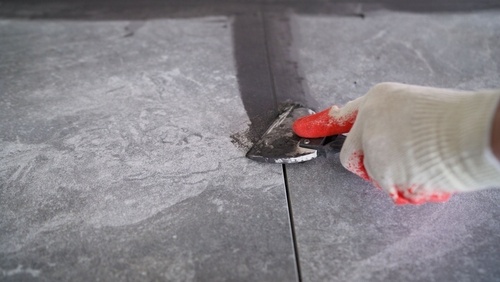
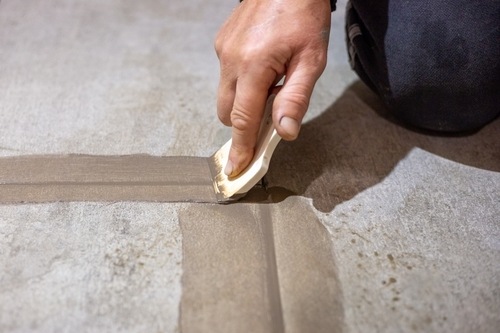
3. Apply the Grout:
Spread the bathroom tile grout across the tile surface using a rubber float, pressing the mixture into the tile gaps.
4. Remove Excess Grout:
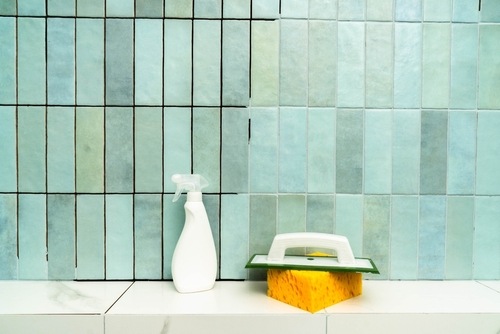
Wipe away extra grout from the tile surface using a wet sponge while the grout is still soft.
5. Final Cleaning:
Once the grout begins to set, clean the tiles gently to remove any remaining mixture and smooth the grout lines.
Sahil realised that even small mistakes during grout application can lead to long-term problems like loose tiles or seepage.
Tip: Wait at least 24 hours before exposing newly applied bathroom tile grout to water.
Bathrooms are naturally humid places. Moisture, soap residue, and poor ventilation can create the perfect environment for mould growth.
If your bathroom tile grout absorbs water or remains wet for long periods, mould can start forming in the grout lines. This looks unpleasant and may affect hygiene.
Sahil realised that his bathroom had poor ventilation. The damp air caused mould to grow on the bathroom tile grout within months. After installing a small exhaust fan and keeping the bathroom dry, Sahil was able to stop the mould from spreading.
Tip: Always keep bathroom windows or exhaust fans running after a shower to reduce moisture
When the mould first appeared, Sahil cleaned the grout lines using a mild cleaning solution and a small brush. This helped remove the stains from the bathroom tile grout before they became permanent. After cleaning, he applied grout sealant to protect the grout from future moisture damage.
Tip: Regularly cleaning grout lines once a week can prevent mould from becoming permanent.
Selecting the right bathroom tile grout is an important step in building a durable and hygienic bathroom. While tiles create the visible design, grout protects the structure by sealing the spaces between tiles.
Before starting a bathroom renovation, always consider grout quality along with tile selection. A small decision today can prevent major repair costs tomorrow.
Sahil’s experience shows that tiles alone cannot protect a bathroom. The right bathroom tile grout, proper installation, and regular maintenance all work together to keep bathrooms clean and durable.
In some cases, new bathroom tile grout can be applied over old grout. However, the old grout should be cleaned and partially removed to ensure proper bonding.
Grout sealers are applied after the grout has dried completely. The sealer forms a protective layer that prevents water absorption and stains.
Using epoxy grout or applying grout sealant can make grout more water-resistant and suitable for wet areas like bathrooms.
Most traditional bathroom tile grouts are not fully waterproof. It resists water but may absorb moisture over time. Sealing grout regularly improves its water protection.