


Share:
Home Building Guide
Our Products
Useful Tools
Home Building Guide
Products
Ultratech Building Products
Share:
Soil bearing capacity is the ability of the soil to carry the weight of a building safely.
If the soil is weak and too much weight is placed on it, the ground may settle unevenly. This can cause cracks in walls, tilted floors, or even structural damage.
A soil bearing capacity test helps engineers understand:
How strong the soil is
Which foundation is suitable
How deep should the foundation be
Whether the land is safe for construction
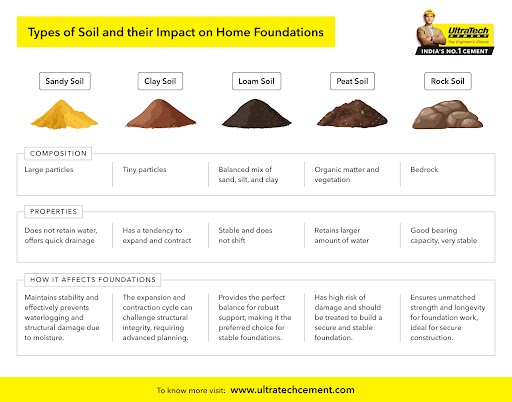
Different types of soil have different strengths:
Rocky soil: Very strong
Sandy soil: Medium-strong
Clay soil: Can become weak during rain
That is why checking the bearing capacity of a soil is important for every building project.
Expert Tip: Never skip soil testing before construction. A small test today can prevent expensive repairs later. |
There are different ways engineers measure soil strength. Each type helps in making safe construction decisions.
This is the maximum load the soil can carry before it fails.
In other words, it is the breaking limit of the soil. If the weight goes beyond this limit, the ground may collapse or sink badly.
Safe Bearing Capacity, also called SBC, is the safe load the soil can carry without danger.
This is the value most commonly used in construction work because it keeps a safety margin. A home built without checking the SBC may develop cracks after a few years.
Allowable bearing capacity value helps engineers plan safer foundations.
This value helps engineers decide the final size and depth of the foundation. It is the safe load the soil can carry after considering:
Safety factors
Soil settlement
Long-term stability
A building is only as strong as the ground beneath it.
And many factors can affect the strength of soil:
Type of Soil: Rocky soil is stronger than loose sandy or clay soil.
Water Content: Too much water weakens the soil, especially during the monsoon season.
Soil Density: Tightly packed soil can carry more weight than loose soil.
Depth of Foundation: Deeper soil layers are usually stronger and more stable.
Nearby Vibrations: Heavy traffic or machinery vibrations can reduce soil strength over time.
You Should Know! The same foundation design cannot work for every plot of land. Every site needs proper soil checking before construction. |
A proper soil bearing capacity test helps avoid cracks, uneven settlement, and foundation failure.
Understanding the bearing capacity of soil helps engineers design safer and longer-lasting structures. Whether building a small home or a large structure, checking the soil first is always a smart and safe step.
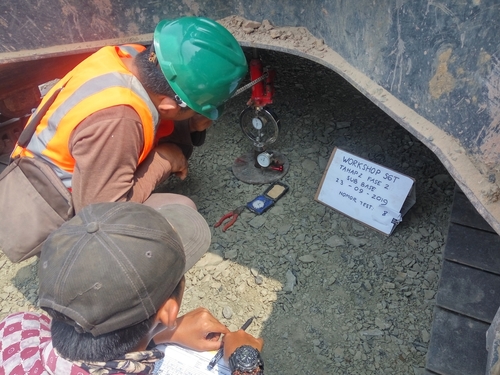
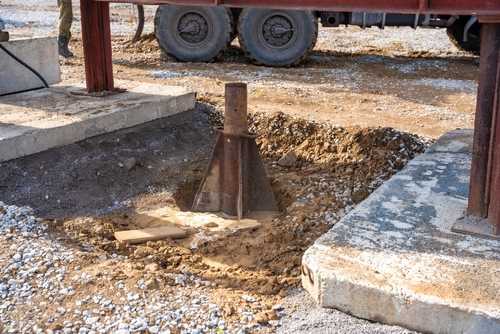
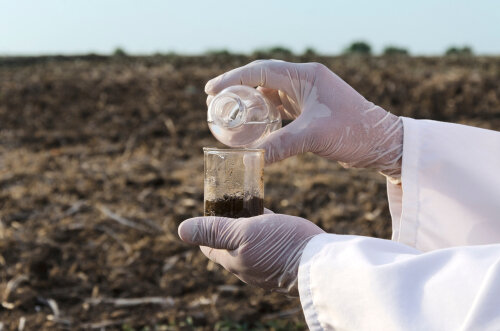
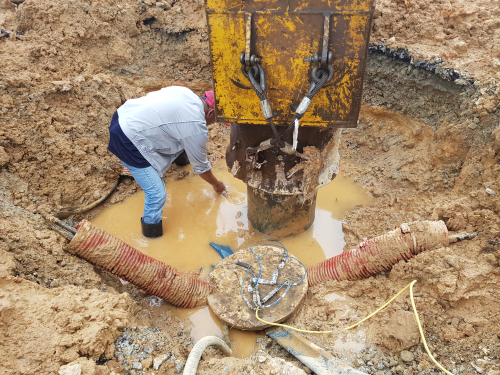
Engineers calculate soil bearing capacity using soil tests, load tests, and laboratory reports. They study soil type, moisture, and density to find how much load the ground can safely support.
Safe bearing capacity is the maximum weight the soil can safely hold without risk of failure or excessive settlement.
Soil testing is important because it helps identify soil strength and stability. It also helps engineers choose the correct foundation type and avoid future structural problems.