
Share:
Home Building Guide
Our Products
Useful Tools
Home Building Guide
Products
Ultratech Building Products
Share:
Fire-resistant AAC blocks are best for high-risk areas like kitchens for added safety.
200 mm blocks provide strength for load-bearing exterior walls.
100 mm blocks work well for lightweight internal partitions.
Long-lasting blocks can deal with extreme weather for years.
Fly ash AAC blocks allow for eco-friendly, waste-reducing builds.
AAC blocks speed installation with their lightweight design.
They resist disasters and offer thermal control.
AAC blocks ensure soundproofing for quiet living spaces.
Fire- and moisture-resistant properties boost home safety.
Sustainable and cost-effective from recycled materials.
Lower strength limits use to walls, not heavy foundations.
Need careful handling and special mortar for best results.
Ideal for walls, partitions, fire zones, soundproof areas, and green projects.
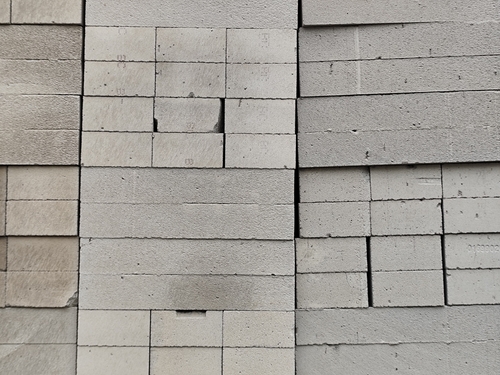
AAC blocks are a popular choice for modern home construction because they are made from a mix of cement, lime, fly ash, and water, then baked in an autoclave to create a strong, lightweight block.
This special process gives AAC blocks their unique qualities. They are both durable and easy to work with, while also providing excellent insulation for homes. Whether you’re building a new home or renovating an existing one, AAC blocks are a simple and effective solution for walls and partitions.
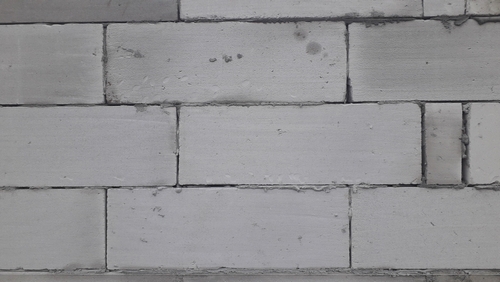
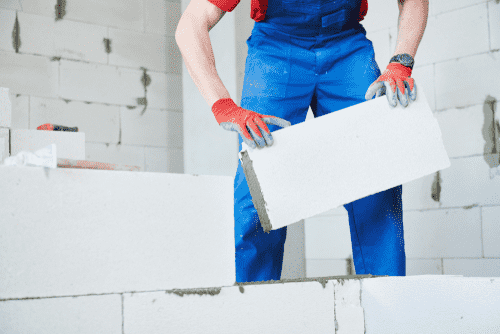
AAC blocks are used for building walls, partitions, and other structures in homes and buildings. They are easy to cut and shape, making them simple for builders and homeowners to install. Their lightweight nature means they are easier to handle and transport compared to traditional bricks, saving time and effort during construction.
There are several types of AAC blocks, each for specific uses:
These blocks are specially made to withstand high temperatures and protect your home from fire. They are perfect for use in kitchens, near electrical rooms, or anywhere extra fire safety is needed.
Tip: Use fire-resistant AAC blocks in high-risk areas to improve safety.
This is the standard size for main walls. It is strong and offers excellent temperature regulation, making it ideal for exterior walls and load-bearing structures. The 200 mm block is strong and provides good support for the building.
Tip: Choose the 200 mm block for walls that need to carry weight or for the outer structure of your home.
This thinner block is perfect for internal partitions and non-load-bearing walls. It saves space and is easy to install, making it a great choice for dividing rooms or creating lightweight internal walls. The 100 mm block is also ideal for adding extra rooms without increasing the structure's weight.
Tip: Use 100 mm blocks for internal walls or when you want to save space.
These blocks are designed for durability and can last for many years without cracking or breaking. They are ideal for areas that need extra strength or for homes in regions with extreme weather conditions. Long-lasting AAC blocks help your home stay strong and safe over time.
Tip: Choose long-lasting blocks for areas that need extra strength or durability.
Made from fly ash, these blocks are eco-friendly and help reduce industrial waste. They are strong and lightweight, making them perfect for green construction projects. Rectangular fly ash blocks are a sustainable choice for modern, environmentally friendly homes.
Tip: Use rectangular fly ash blocks if you want a green and sustainable building option.
AAC blocks offer many benefits for modern homes. Here’s a quick look at their main advantages.
AAC blocks are lightweight and easy to cut, which makes construction faster and simpler. Builders can quickly shape and install these blocks, saving both time and labour on any project.
Tip: Use AAC blocks to speed up your building project and reduce effort.
AAC blocks are strong and can resist earthquakes, storms, and other natural disasters. Their lightweight nature helps reduce the overall load on the structure, making buildings safer in disaster-prone areas.
Tip: Choose AAC blocks for homes in regions with earthquakes or extreme weather.
These blocks provide excellent temperature control, keeping homes cool in summer and warm in winter. This reduces the need for air conditioning and heating, helping you save on electricity bills.
Tip: Use AAC blocks to make your home more energy-efficient.
AAC blocks offer good sound control, making homes quieter and more peaceful. They are ideal for bedrooms and living rooms where privacy and calm are important.
Tip: Use AAC blocks in rooms where noise reduction is needed.
AAC blocks are eco-friendly and inexpensive. They are made from recycled materials and help reduce environmental impact. Their lightweight nature also reduces transportation costs.
Tip: AAC blocks are a smart choice for low-budget and environmentally aware builders.
AAC blocks are highly fire-resistant, adding an extra layer of safety to your home. They can help slow down the spread of fire, giving you more time to respond in emergencies.
Tip: Use AAC blocks in kitchens, electrical rooms, or any area where fire safety is important.
These blocks are moisture-resistant and help keep walls dry. They are less likely to absorb water, which prevents dampness in walls.
Tip: Use AAC blocks in bathrooms, kitchens, and other wet areas to keep walls dry.
AAC blocks have a few limitations, too. Here’s a quick look at their main disadvantages.
AAC blocks are not as strong as traditional concrete blocks, so they are not suitable for heavy load-bearing structures like foundations or large columns. They work best for walls and partitions.
Tip: Use AAC blocks for walls and partitions, not for heavy foundations.
AAC blocks are lightweight but can break if not handled carefully. They need to be transported and installed gently to avoid damage.
Tip: Handle AAC blocks with care during transport and installation to prevent breakage.
AAC blocks require a special type of mortar for installation, which may add to the overall cost. Using the wrong mortar can make the structure weak.
Tip: Always use the recommended mortar for AAC blocks for strength and durability.
AAC blocks are used for building walls, partitions, and other structures in homes and buildings. They are a versatile material, suitable for a wide range of uses.
AAC blocks are perfect for both outside and inside walls, offering strength and insulation.
Their lightweight nature makes them ideal for dividing rooms or creating internal walls without adding extra load to the structure.
These blocks provide excellent fire protection, making them a smart choice for kitchens, electrical rooms, or any area where safety is important.
AAC blocks reduce noise, making them ideal for bedrooms, living rooms, or offices where peace and quiet are needed.
Made from recycled materials, AAC blocks are a sustainable option for green building projects.
AAC blocks are a modern, lightweight, and eco-friendly building material that offers many benefits for home construction. They are easy to use, provide excellent insulation, and help create strong, safe, and comfortable homes.
By choosing the right type of AAC block and following simple installation tips, you can build a home that is energy-efficient, durable, and cost-effective.
AAC blocks come in different grades, depending on their strength and density. The most common grades are 3.5, 4.0, and 5.0.
The Indian standard for AAC blocks is IS 2185 (Part 3): 2005.
AAC blocks are moisture-proof but not completely waterproof. They should be used with waterproofing in wet areas.
AAC blocks can last for many years if installed and maintained properly.
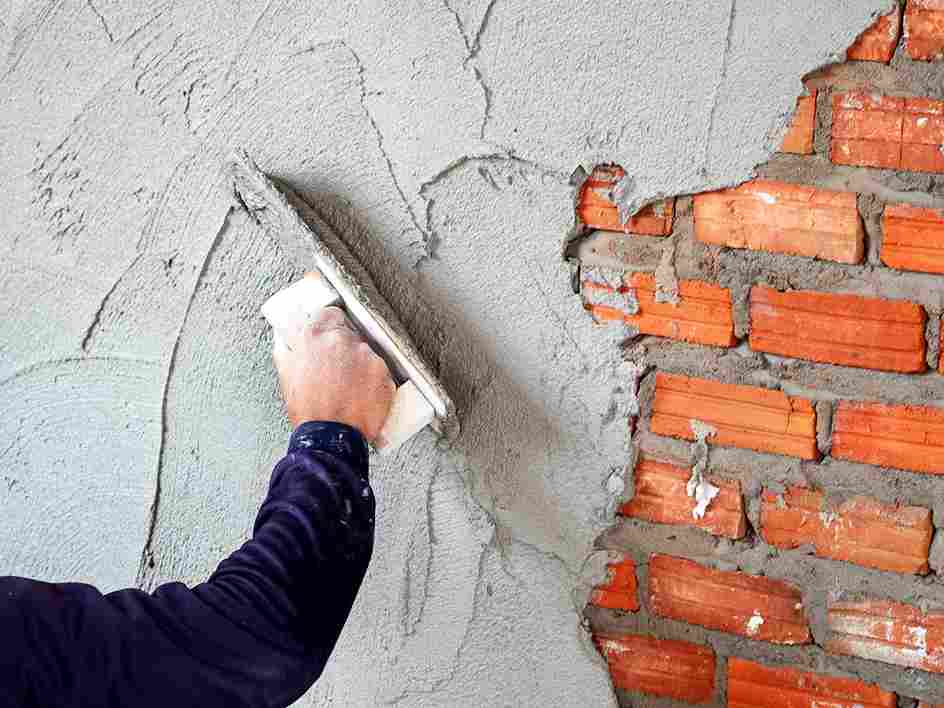
Yes, AAC blocks usually need plaster to protect the surface and improve appearance.