Key Features of Verands
A veranda is more than just an extension of a house; it comes with unique features that make it valuable:
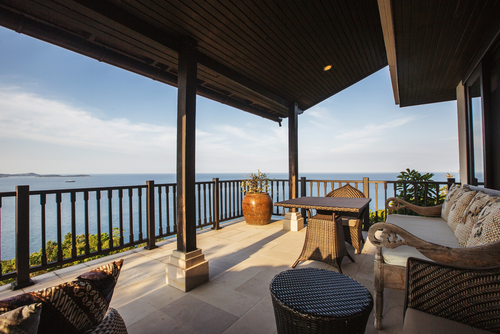
1. Roofed and Open-Air: Provides shelter while allowing fresh air and natural light.
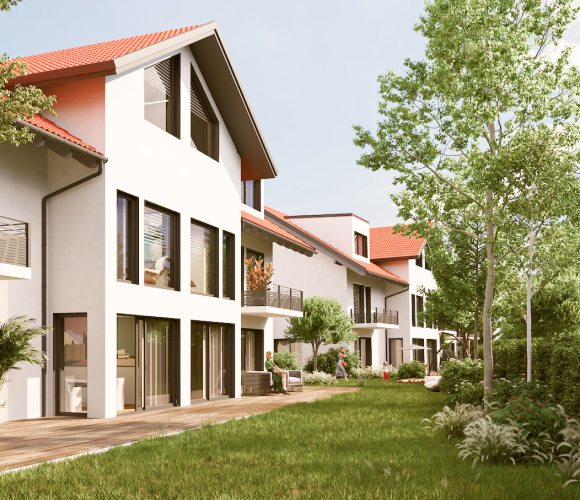
2. Attached to the Exterior: Usually runs along the front or sides of the home, creating a seamless transition between indoor and outdoor spaces.
3. Spacious Layout: Designed to accommodate seating, plants, and sometimes even outdoor dining.
4. Architectural Element: Often adds charm and character, complementing various home styles.
5. Weather Protection: Shields occupants from sun and rain while enabling outdoor enjoyment.
6. Flexible Use: Suitable for relaxing, entertaining guests, or enjoying the garden views.
Why Should You Consider a Veranda While Building a Home?
From a practical standpoint, verandas can increase the overall usable area of a house without the high cost of full interior additions. This extra space can serve many purposes, such as a seating area, play zone, or even an outdoor dining spot, making the home more versatile.
Key reasons homebuilders should consider adding a veranda to their house include:
1. Increased Market Value
A well-designed veranda can raise the resale value by enhancing curb appeal and usable space.
2. Improved Energy Efficiency
By shading windows and walls, verandas can reduce heat gain inside the home, lowering cooling costs.
3. Aesthetic Flexibility
Verandas can complement many architectural styles, from traditional to modern, offering customisation options.
4. Enhanced Outdoor Experience
They provide a comfortable, sheltered space to enjoy the outdoors year-round, adding to the home's lifestyle appeal.