Types of Vaulted Ceilings
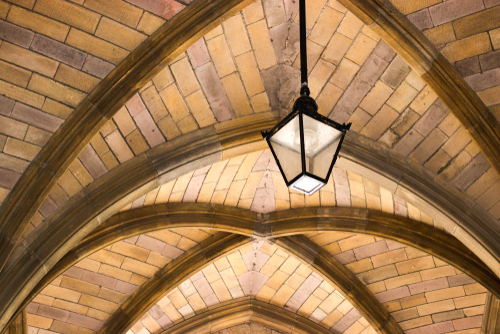
There are different types of vaulted ceilings, each offering a different design effect and being chosen based on the home’s architecture.
1. Barrel Vault Ceiling
2. Groin Vault Ceiling
3. Cathedral Ceiling
4. Dome Vault
5. Half Vaulted Ceiling
Pros and Cons of Vaulted Ceilings
Vaulted ceilings offer stunning visuals but come with a few practical challenges. Here are some of them:
Pros:
1. Spacious Feel: The added height makes rooms look larger and more open
2. More Natural Light: They often allow for taller windows or skylights, brightening the space.
3. Striking Design: A vaulted ceiling adds instant character and charm to your home
Cons:
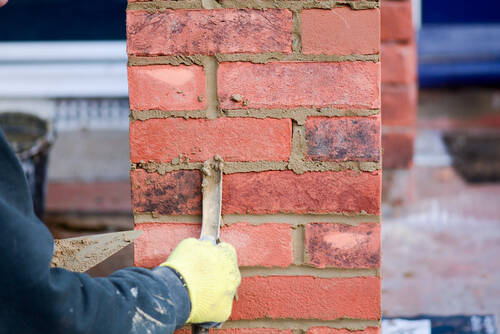
1. Cost and Complexity: Building or renovating with a vaulted ceiling usually costs more due to extra materials and labor.
2. Temperature Control: The high ceiling can make heating or cooling the room less efficient.
3. Hard to Maintain: Cleaning, painting, or changing light fixtures at that height can be tricky and time-consuming.
How Can You Add a Vaulted Ceiling in Modern Home Designs
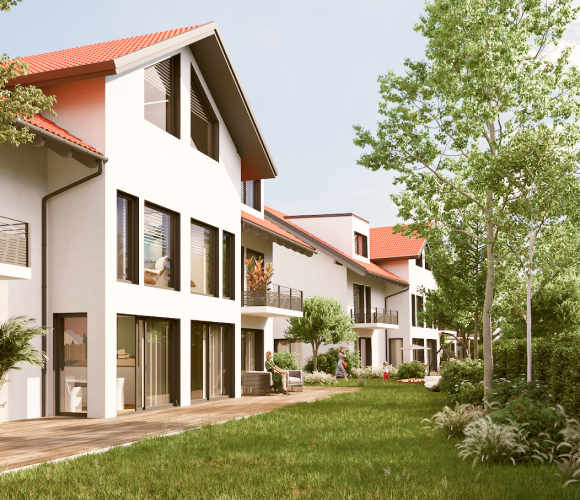
A vaulted ceiling can do a lot more than just change the look of your home; it can also change how it feels. Adding a vaulted ceiling in modern home designs does more than enhance the look; it completely changes how a space feels. Increasing the height of a room creates a sense of openness and brightness that makes even smaller rooms feel larger and more inviting.
1. Increased natural light: Tall windows or skylights allow more sunlight to flood the space.
2. Improved airflow: The extra height helps keep rooms cooler and well-ventilated.
3. Spacious feel: Rooms seem bigger and less cramped, adding to overall comfort.
Architectural impact: Vaulted ceilings act as a dramatic focal point, bringing character to living rooms, bedrooms, or dining areas.