Understanding Construction Tiles
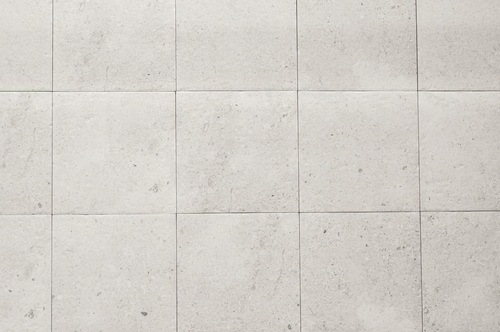
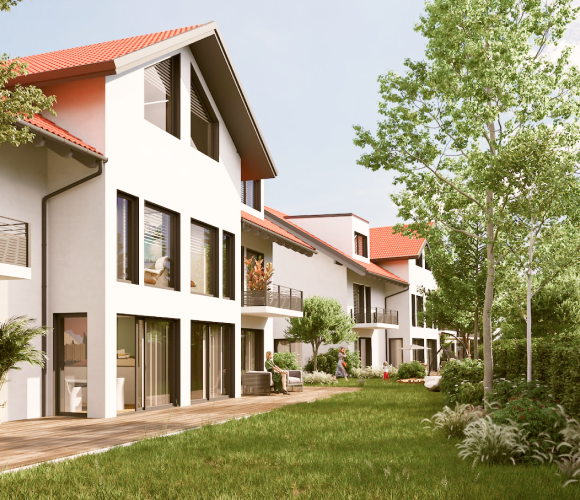
Construction tiles offer strength and stability in homes, commercial buildings, and outdoor spaces. These tiles make sure that floors and walls remain protected and easy to maintain.
What Makes Construction Tiles Durable
The durability of construction tiles depends on the materials and processes used to create them. Key factors that add to their strength include:
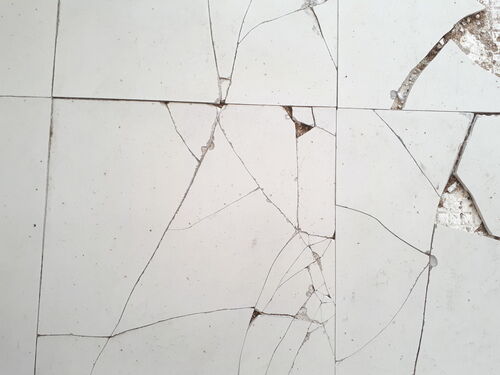
1. High-temperature firing: Hardens the surface, making tiles resistant to cracks and chips.
2. Dense composition: Reduces water absorption and prevents damage from moisture.
3. Surface coating: Provides an extra layer of protection against stains, scratches, and chemical damage.
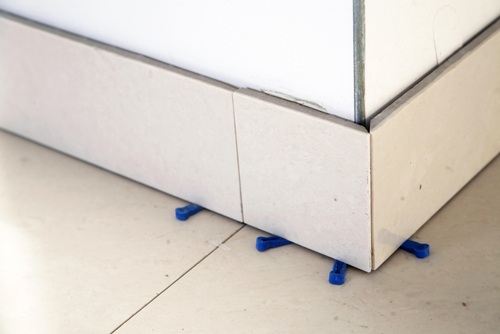
4. Proper installation: Ensures even load distribution and long-lasting performance.
Where Construction Tiles Are Commonly Used
They offer a blend of utility and style in different spaces:
1. Indoor floors: Living rooms, bedrooms, and hallways benefit from smooth floor tiles.
2. Wet areas: Kitchens and bathrooms use anti-slip tiles that resist water and stains.
3. Outdoor zones: Balconies, terraces, and driveways require textured construction tiles for better grip and weather resistance.
4. Wall cladding: Decorative tiles are used on walls to add visual appeal while protecting the surface.
Different Types of Tiles for Homes
Each type of tile serves a specific purpose:
1. Ceramic Tiles: Made from natural clay and minerals, ceramic tiles are affordable and versatile. They are best suited for walls and light-traffic areas.
2. Porcelain Tiles: A denser version of ceramic, porcelain tiles are strong, water-resistant, and perfect for high-traffic or outdoor areas.
3. Vitrified Tiles: Produced through vitrification, these tiles combine clay and silica to create a glossy, non-porous finish that resists moisture and stains.