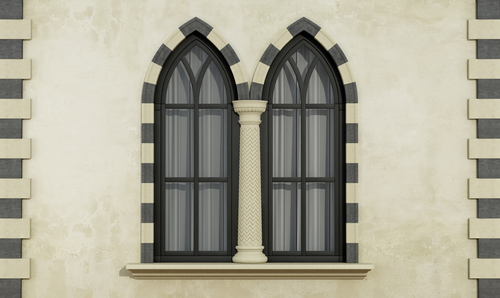
Functions of Mullion
Mullions are essential for:
1. Supporting large window structures
2. Separating glass panes securely
3. Enhancing the window’s appearance
4. Making maintenance and glass replacement easier
Types of Mullion
Mullions are mainly categorized based on their orientation in the window:
1. Vertical Mullion: Runs up and down between panes, often forming the main support.
2. Horizontal Mullion: Stretches side to side, dividing the window into upper and lower sections.
Role of Mullions in Window Design
In window architecture, mullions play a much bigger role than just dividing glass panes. Whether used in modern homes or traditional buildings, they offer both functional and aesthetic benefits that enhance the overall window design. Here are five key reasons why mullion matters:
1. Structural Support
Mullions provide strength to the window frame by evenly distributing the load, especially in large or wide glass installations.
2. Design Versatility
They allow windows to be divided into various shapes and styles, making it easier to achieve specific architectural looks with mullioned windows.
3. Energy Efficiency
By controlling how light and air pass through, mullions can improve insulation and ventilation, reducing energy costs.
4. Better Security
Divided glass sections framed by mullions are harder to tamper with, which adds an extra layer of protection to your home.
5. Enhanced Aesthetics
Mullions add character and symmetry to both the interior and exterior, elevating the window’s visual appeal.