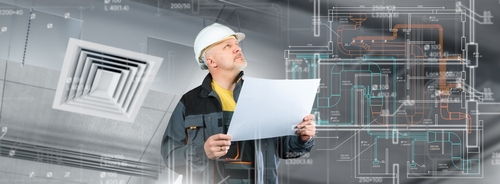
Purpose and Importance of MEP Systems
MEP systems are essential for the seamless operation of any building.
1. Climate Control & Ventilation
Maintain comfortable indoor environments by regulating temperature, humidity, and air quality.
2. Electrical Systems
Ensure a consistent power supply and proper lighting for daily operations and safety.
3. Plumbing Systems
Manage the delivery of clean water and efficient waste disposal.
4. Safety & Functionality
Support building safety, operational efficiency, and compliance with regulations.
5. Occupant Comfort
Enhance the overall comfort and livability of indoor spaces.
6. Construction & Management Role
Serve as a vital component in modern building design, construction, and ongoing facility management.
Key Components of MEP
Below are the key components of MES
1. Mechanical: HVAC, ventilation, fire protection
2. Electrical: Wiring, lighting, backup power
3. Plumbing: Water supply, drainage, sewage systems
Benefits of a Well-Planned MEP System
A well-designed MEP system brings multiple advantages, such as:
1. Enhanced energy efficiency and reduced utility bills
2. Improved indoor air quality and thermal comfort
3. Increased safety through proper electrical and fire systems
4. Lower maintenance costs and extended lifespan of equipment
5. Better overall building performance and occupant satisfaction
Common Challenges in MEP Coordination
Despite its importance, MEP integration often faces hurdles, including:
1. Limited space is causing clashes between systems
2. Communication gaps between mechanical, electrical, and plumbing teams
3. Keeping up with changing regulations and standards
4. Managing complex timelines and sequencing in construction
Role of MEP in the Homebuilding Journey
For homebuilders, MEP systems are more than technical necessities; they are the foundation of a comfortable, efficient, and safe home. Thoughtful MEP planning:
1. Ensures heating, cooling, and ventilation fit your family’s lifestyle and climate needs
2. Guarantees a clean water supply and effective waste disposal, critical for health
3. Enables energy-efficient solutions, lowering monthly expenses and environmental impact
4. Reduces costly repairs and downtime by getting it right the first time