Encroachment happens when a structure or activity crosses into land that legally belongs to someone else. In construction, it often means building beyond the limits of your own property (knowingly or unknowingly), leading to legal complications and financial setbacks.
Whether you're building a new home or buying land, understanding encroachment meaning can help you avoid costly disputes, maintain good neighbourly relations, and stay compliant with local laws.
Do You Need an Encroachment Permit?
In some cases, local authorities may issue encroachment permits for temporary or minor usage of adjoining land (such as scaffolding or utilities during construction). These must be applied for in advance and do not legalise permanent structures beyond property lines.
Common Examples of Encroachment
1. A balcony or staircase that extends into a neighbour’s land
2. Fences or walls built beyond plot boundaries
3. Illegal occupation of public land during construction
4. Planting trees that extend roots or branches into adjacent properties
Why Every Homebuilder Must Avoid Encroachment Without Fail
Encroaching on property is more than just a technical violation; it’s a risk to your investment, reputation, and legal standing. Here's why homebuilders must ensure their plans remain within approved boundaries:
1. Legal Clarity
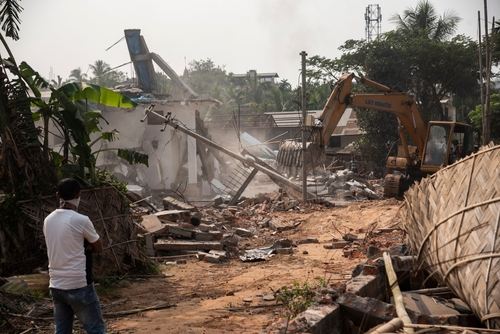
Building within your approved plot is very important. If you go beyond, you could get legal notices or even face demolition of the extra construction.
2. Project Timelines
Property disputes can stop your work and delay the project, which can cost you both time and money.
3. Resale and Financing
When a property has no boundary issues, it’s easier to sell and get a loan. Banks and buyers trust properties that follow rules.
4. Neighbourhood Relations
Sticking to your plot limits helps avoid fights with neighbours and keeps things smooth with local housing groups.