Compacting is the process of increasing the density of soil, gravel, or other construction materials by pressing or compressing them to reduce air voids. This crucial step ensures a strong, stable foundation for buildings, roads, and pavements.
Compacting improves load-bearing capacity, minimises settlement, and helps prevent cracks or structural failures, making it essential for durable and safe construction projects.
Understanding the Definition of Compacting in Construction
Compacting in construction refers to the process of making soil or other materials denser by applying pressure. This improves their stability and ability to support heavy loads, making it vital for all types of construction projects.
The Process of Compacting Soil for Stable Foundations
Compacting soil involves using mechanical equipment or manual methods to press down the soil, removing air pockets and increasing its density.
This process is essential for creating stable foundations that support the weight of structures without sinking or shifting.
Benefits of Compacting in Road and Pavement Construction
1. Increases the strength and durability of roads and pavements.
2. Reduces the risk of potholes and surface damage.
3. Ensures even load distribution and long-lasting performance.
Tools Used for Compacting Materials
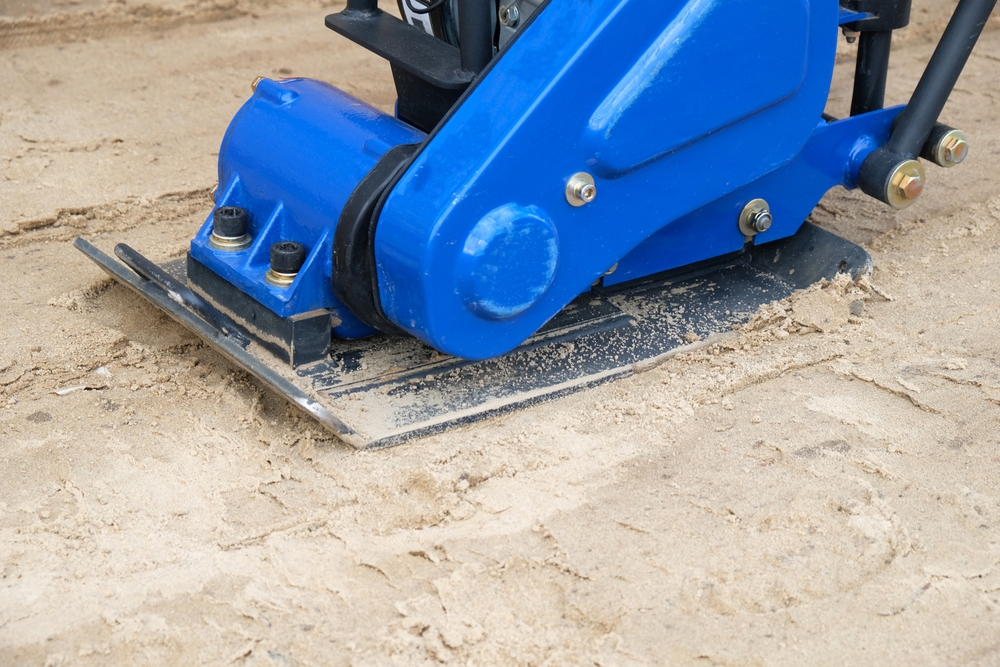
1. Plate compactors
2. Roller compactors
3. Tamping rammers
These tools help achieve uniform density and ensure the material is compacted correctly.
Choosing the Right Equipment for Soil Compaction
Selecting the right compaction equipment depends on the type of soil, the size of the area, and the required density. Using the correct tool ensures effective compaction and a stable foundation.