


Share:
Home Building Guide
Our Products
Useful Tools
Home Building Guide
Products
Ultratech Building Products
Share:
Water always finds a way in; your job is to not give it one.
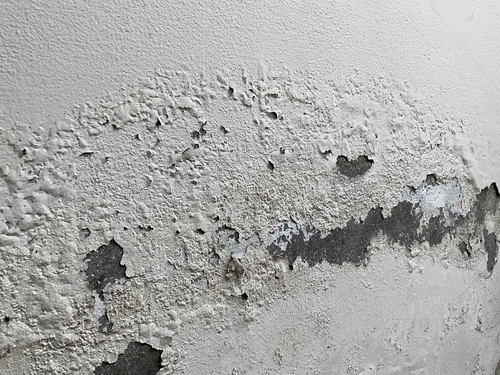
Wall seepage happens when water enters the wall surface and soaks into the structure. The most common causes are:
Site Reality: Most wall seepage solutions are applied 1–2 years after construction, when the damage is already well inside the wall. Prevention during construction is always cheaper than treatment after.
If seepage has already started, the right wall seepage treatment can still save your walls.
Crystalline waterproofing: Goes deep into the wall and blocks water at a molecular level. One of the most permanent water leakage solutions for wall options available.
Polymer-modified plaster: Replaces standard plaster with a polymer-mixed mortar that is far more water-resistant.
Epoxy injection grouting: Used for cracks and joints where water is entering. Injects epoxy resin into the crack to seal it permanently.
Waterproof paint or coating: Applied on the surface as a final protective layer. Works best as a preventive measure or for mild seepage cases.
Wall seepage solution is not a one-time fix. It is a series of right decisions made during construction. Use good materials, plaster correctly, seal every joint, and apply a proper wall seepage treatment before finishing. A wall protected during construction never needs emergency repairs afterwards.
The best wall seepage solution is prevention during construction. Prevention costs far less than post-construction treatment.
Wall seepage treatment during construction includes adding waterproofing admixtures to plaster mortar, applying two-coat plaster on external walls, sealing wall-slab joints with flexible sealant, and finishing with a waterproof surface coating before painting.
The most reliable water leakage solution for wall is crystalline waterproofing for active leaks and polymer-modified plaster for new construction.
Prevent seepage in new walls by using quality cement with a low water-cement ratio, adding waterproofing compounds to plaster, ensuring proper curing of all wall surfaces, and applying a wall seepage treatment coating on all external faces before the final finish.