


Share:
Home Building Guide
Our Products
Useful Tools
Home Building Guide
Products
Ultratech Building Products
Share:
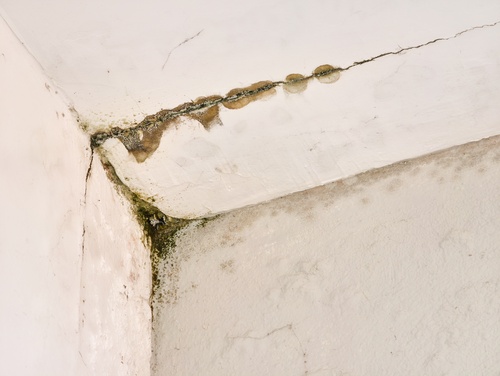
Here are Common bathroom leakage signs that may need waterproofing:
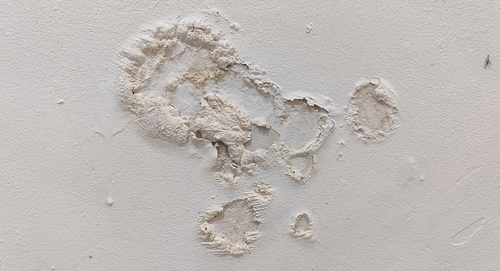
1. Peeling paint: When water sits behind the wall for too long, it pushes the paint off, and it starts to peel or flake.
2. Bubbling walls: Water trapped inside the wall builds up pressure, making the surface swell and form bubbles.
3. Tiles feel loose underfoot: Water seeping under the floor weakens the base, making tiles shift or feel loose when you walk on them.
If you spot any of these, water is already finding its way where it shouldn't. Not sure if it's serious yet? Check these signs below to know for sure.
Is Your Bathroom Leaking? |
If you said yes to even one, water is already finding its way where it shouldn't |
A small leak today can turn into a cracked wall or weak floor tomorrow. Fixing it early costs less money and stress.
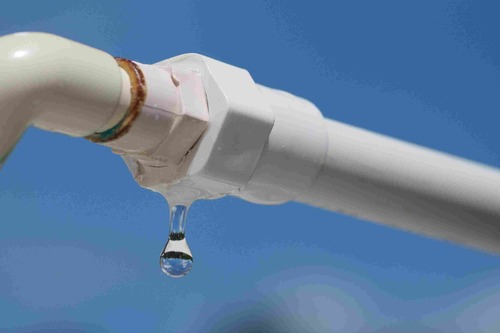
Most seepage starts at joints, including tile joints, pipe openings, or where the wall meets the floor. Over time, water pushes through these small gaps.
Check around your shower area, the base of the commode, and any wall shared with another room. That's usually where the trail starts.
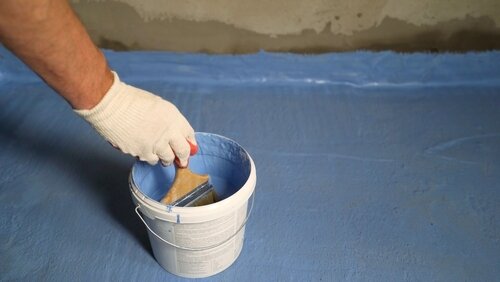
Bathroom waterproofing methods include coating surfaces with a protective layer, sealing joints, or treating the entire wet area before tiling.
The best time is before you tile a new bathroom. But if you're already seeing damp patches, a bathroom waterproofing solution applied now can still stop the damage from spreading.
Prevention is simpler than repair once you know where to focus. A few right choices during construction can save you years of trouble.
Waterproofing chemicals are liquid coatings applied to walls and floors to block water. Applied correctly, they form a barrier that lasts for years.
Even after using a waterproofing chemical, your tiles can still be vulnerable if gaps aren't filled with proper grout, especially epoxy grout.
Tile epoxy grout is a strong, water-resistant filler for tile gaps that keeps joints sealed tight, so water can't creep through. Use it when tile is placed near water areas like the bathroom or kitchen.
Damp walls, peeling paint, musty smell, and loose tiles are the clearest signs.
Applying a good bathroom waterproofing layer before or after tiling works best.
A surface coating combined with proper joint sealing provides the most reliable protection.
Yes, cracked or worn grout is one of the easiest ways for water to seep in.
Yes, its water-resistant nature makes it ideal for wet areas like bathrooms.