


Share:
Home Building Guide
Our Products
Useful Tools
Home Building Guide
Products
Ultratech Building Products
Share:
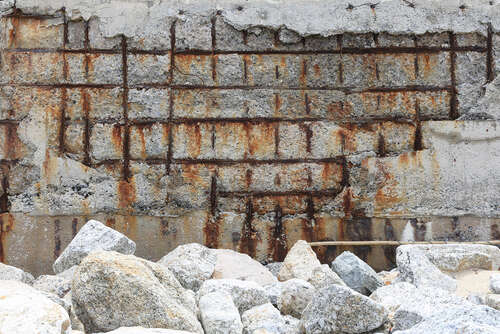
Your roof faces harsh sun, heavy rain, and sudden weather changes year-round. These constant attacks create tiny cracks that you cannot see from the ground. Water slips into these gaps and slowly weakens the structure underneath, so catching the warning signs early saves you from bigger repairs later.
Watch for these signs after every rain:
Dark, damp patches on the ceiling or walls
Paint that peels, cracks, or bubbles
A musty smell inside the room
Mould or fungus in corners
Water standing on the terrace even after rain stops
Every roof is different, so no single method suits every surface. Some roofs need a strong cement-based layer, while others need a flexible coating that stretches with tiny cracks. Your choice should depend on the surface, the cracks, and how much water the roof faces.
Here are the common methods to choose from:
Method | How It Works | Best For |
Cement-based coating | Forms a hard protective layer | Flat roofs and terraces |
Liquid coating | Dries into a smooth, seamless layer | Roofs with mild cracks |
Flexible coating | Stretches with small cracks | Roofs prone to movement |
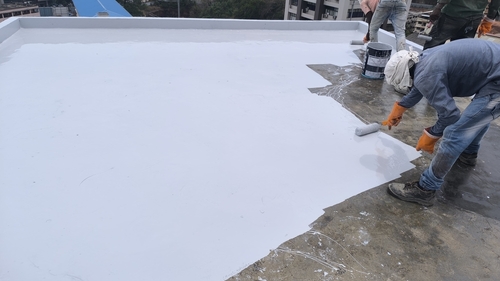
Flat terraces need extra care because water often has nowhere to run off. Clean the surface, repair every crack, and clear the drains before you apply any coating. Terrace waterproofing alone cannot fix a poor slope or a blocked drain, so sort these out first for lasting protection.
Start by checking your roof for cracks, uneven patches, and spots where water collects. Then match your waterproofing product to the surface, whether it is concrete, brick, or tile. Following the correct process matters far more than adding extra material.
Keep these points in mind:
Clean and dry the surface completely before you begin
Follow the recommended number of coats and drying time
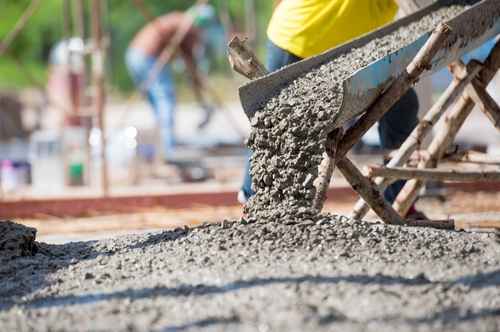
Use the best waterproofing cement, if you choose that method
Follow the correct mixing ratio instead of guessing
Let each layer cure fully before adding the next one
The right material can improve performance and extend life. For liquid or coating-based methods, choose a suitable roof waterproofing chemical based on your roof surface and the manufacturer's instructions.
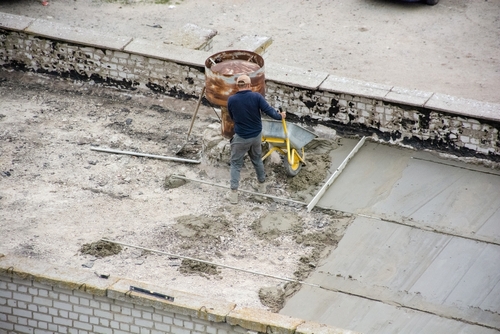
You can also choose cement-based waterproofing. Always prepare the surface properly and follow the correct mixing and application method.
Act quickly at the first warning sign, and your roof will stay strong and dry through every season.
Repair cracks, fix drainage, and then choose a waterproofing method that suits your roof surface.
Check your roof before and after every rainy season, and repair cracks or dampness as soon as you spot them.
Waterproof before the monsoon begins, while the surface stays dry. If you already see damp patches, act now instead of waiting for next year.