


Share:
Home Building Guide
Our Products
Useful Tools
Home Building Guide
Products
Ultratech Building Products
Share:
Flooring affects comfort, safety, and maintenance of your home
There are many types of flooring suitable for different rooms
Understanding types of flooring materials helps avoid costly mistakes
Always choose flooring based on room use and climate
Budget-friendly options can still be durable and stylish
Mixing flooring types can save money and improve functionality
Flooring is not just about appearance. It affects safety, comfort, cleaning effort, and how cool or warm your home feels. The right flooring can make a small room look bigger, and a simple house feel premium. The wrong choice can lead to cracks, stains, or constant repairs.
Now, let’s understand this with a simple story that many homebuilders can relate to.
Sunit was building his first home in a small town. He had finalised the layout, walls, and roof, but when deciding on flooring, he felt lost. His relatives suggested marble, his contractor suggested tiles, and his neighbour said granite was best.
Sunit asked a simple question:
“Why are there so many types of flooring materials, and how do I know which one is right for my home?”
If you feel the same, you’re not alone.
Flooring materials are the materials used to cover the floor surface of a building. There are many types of flooring, and each one is made for different needs, budgets, and room conditions.
Some floors are better for heavy use, some are easier to clean, and some are chosen mainly for their looks. Knowing the types of flooring materials helps you make a smart and long-lasting choice.
Tip: Always choose flooring based on room usage, not just appearance. |
Let’s look at the most commonly used types of flooring in Indian homes.
Tiles are one of the most popular types of flooring materials. They are widely used in living rooms, kitchens, and bathrooms.
Easy to clean
Available in many designs
Budget-friendly
Water-resistant
Sunit chose tiles for his kitchen because spills were easy to clean.
Tip: Use anti-skid tiles in bathrooms for safety. |
Marble is known for its natural beauty and smooth finish. Among all types of flooring, marble gives a premium look.
Long-lasting
Keeps rooms cool
Requires regular polishing
However, marble can be expensive and slippery when wet.
Granite is strong and ideal for heavy-use areas. It is one of the toughest types of flooring materials.
Scratch-resistant
Low maintenance
Suitable for high-traffic areas
Sunit used granite in her staircase for durability.
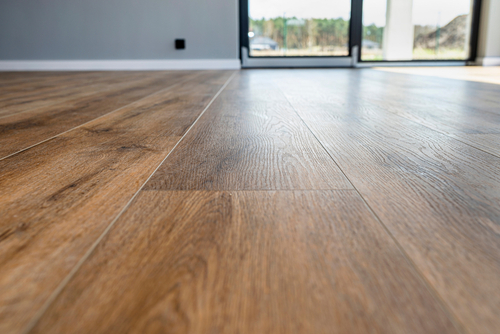
Wooden flooring adds warmth and comfort. Laminated wood is a cost-effective option among modern types of flooring.
Stylish and cosy
Comfortable to walk on
Not ideal for wet areas
Tip: Avoid wooden flooring in kitchens and bathrooms. |
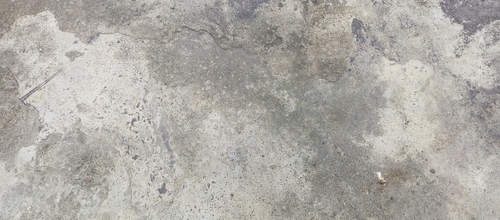
Cement floors are simple, strong, and budget-friendly. This option is gaining popularity among basic types of flooring materials.
Very durable
Low cost
Simple, modern look
It is often used in low-budget homes.
Vinyl is soft, affordable, and easy to install. This type of flooring is becoming popular for bedrooms.
Water-resistant
Comfortable underfoot
Not all rooms need the same flooring. Understanding types of flooring materials helps match the right option to the right space.
Living room: Tiles, marble, or granite
Kitchen: Vitrified tiles or anti-skid tiles
Bedroom: Wooden, laminated, or vinyl flooring
Bathroom: Anti-skid ceramic tiles
Sunit mixed different types of flooring based on room use, saving money while maintaining quality.
Tip: Always ask about maintenance cost, not just installation cost. |
Climate also affects your choice of flooring. In hot areas, stone flooring keeps homes cooler. In colder regions, wooden or vinyl flooring feels warmer.
Choosing the right types of flooring based on climate improves comfort and energy efficiency.
Sunit finally made his decision after understanding the types of flooring materials properly. He selected tiles for easy maintenance, granite for strength, and vinyl for comfort.
His home looked beautiful, stayed within budget, and required very little repair later.
When you reach the final stage of building a home, flooring may feel like just another item on a long checklist. But in reality, it is one of the most important decisions you will live with every day.
The right flooring supports your lifestyle, handles daily wear, and keeps your home comfortable through all the seasons. By understanding the types of flooring, the types of flooring materials, and the right choice of adhesives, you avoid confusion and build confidence.
Adhesives are the bonding materials that hold your flooring together, so that the tiles, stones, vinyl, or wooden boards stay stable, durable, and long-lasting. The right adhesive improves grip, prevents cracks or hollow sounds, and protects your flooring from moisture-related issues.
Tiles, marble, granite, wood, vinyl, and cement are the most common types of flooring materials.
Vitrified tiles and granite are popular types of flooring due to their durability and easy maintenance.
No, wooden flooring is not suitable for wet areas like bathrooms or kitchens.
Compare the installation, maintenance, and lifespan of different types of flooring materials before deciding.