


Share:
Home Building Guide
Our Products
Useful Tools
Home Building Guide
Products
Ultratech Building Products
Share:
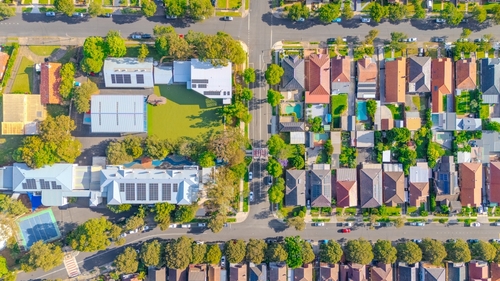
A T-Point House is a house located at a T-junction, where one road ends directly facing the house while another road runs next to it. In this layout, the house sits at the end of the road.
From a T-Point House Vastu view, this direct flow of energy toward the house is considered important, as it may affect the overall balance of the space.
Tip: Always check road alignment before finalising a plot or house. |
A T-point house is not always bad, but it depends on its direction and placement.
In Vastu, energy (or “Prana”) should flow smoothly around a home, not hit it directly. A T-junction creates a strong, fast-moving energy flow that can feel overwhelming.
For Suresh, this meant:
1. Sudden stress and discomfort
2. Frequent disturbances
3. Lack of peace at home
However, with proper planning and remedies, many of these effects can be reduced.
Tip: Don’t reject a T-point property immediately; understand its direction and apply corrections. |
According to T-Point House Vastu, the main problem is the direct impact of energy flow toward the house.
Common effects may include:
1. Mental stress due to constant movement facing the house
2. Disturbed sleep
3. Lack of stability in personal or professional life
4. Increased exposure to noise and pollution
Suresh noticed that his front-facing rooms felt more restless compared to the rest of the house.
Tip: It is believed that the stronger the road direction toward your house, the greater the impact. |
A T-point house may bring strong energy flow, but the good part is that it can be managed with the right changes. Vastu does not just point out problems; it also offers practical ways to restore balance.
When Suresh started making small changes to his home, he noticed that even simple corrections improved the overall comfort of his space.
1. Create a barrier in front of the house: Build a boundary wall or plant dense trees and plants to block the direct flow of energy from the road. This is thought to act as a natural shield and reduce external impact.
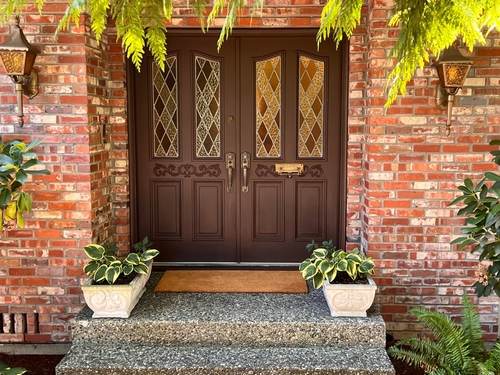
2. Shift or adjust the main entrance: If possible, avoid placing the main door exactly in line with the road. A slightly offset entrance may help in reducing direct energy entry.
3. Use greenery and natural elements: Plants like bamboo or other dense greenery near the entrance are believed to absorb negativity and reduce noise from outside.
4. Add water elements near the entrance: Small features like a fountain are thought to help attract positive energy and create a calming effect at the entry point.
5. Install mirrors strategically: Mirrors are believed to help reflect and redirect energy, lowering the intensity of direct flow into the house.
6. Use Vastu tools like pyramids or yantras: These are commonly used to balance energy and minimise negative effects when structural changes are not possible.
7. Keep the entrance clean and well-lit: A clutter-free and well-lit entrance may allow positive energy to flow smoothly into the home.
After applying a mix of these remedies, Suresh felt that his home was calmer and more balanced.
Pro Tip: You do not need to apply all remedies at once. You may start with simple changes like greenery and entrance adjustments, then build from there. |
The direction of the house plays a role in determining its impact.
1. Generally considered more favourable
2. Allows good sunlight and positive energy
3. Minor corrections may still be needed
1. Associated with financial growth
2. May be beneficial with proper planning
3. Might require controlled entrance design
1. May give mixed results
2. Believed to need stronger Vastu remedies
3. May lead to instability if ignored
1. Considered more sensitive in Vastu
2. May cause stress or financial concerns
3. Might require proper shielding and correction
Tip: Direction is one of the most important factors when evaluating a T-point house. |
A T-point house does not always lead to problems. With the right understanding and simple changes, you can create a balanced and comfortable living space.
As Suresh realised, early awareness and practical adjustments can make a big difference. Following T-Point House Vastu principles may help ensure your home supports stability, well-being, and peace of mind.
You may reduce negative energy by adding barriers like walls, plants, or adjusting the entrance. These changes are thought to help control the direct flow of energy into your home.
In some cases, especially with favourable directions, T-point houses can receive good light and visibility. With proper planning, they can still be comfortable to live in.
Common effects are believed to include stress, instability, and financial fluctuations. These depend on direction and may be improved with remedies.
The north direction is often linked with financial growth in Vastu. Proper design can enhance these benefits.
Layouts that disturb energy flow, such as direct road alignment or improper entrances, are considered less favourable. Most of these issues may be corrected with the right planning.

.jpg)